
 Save to Pinterest
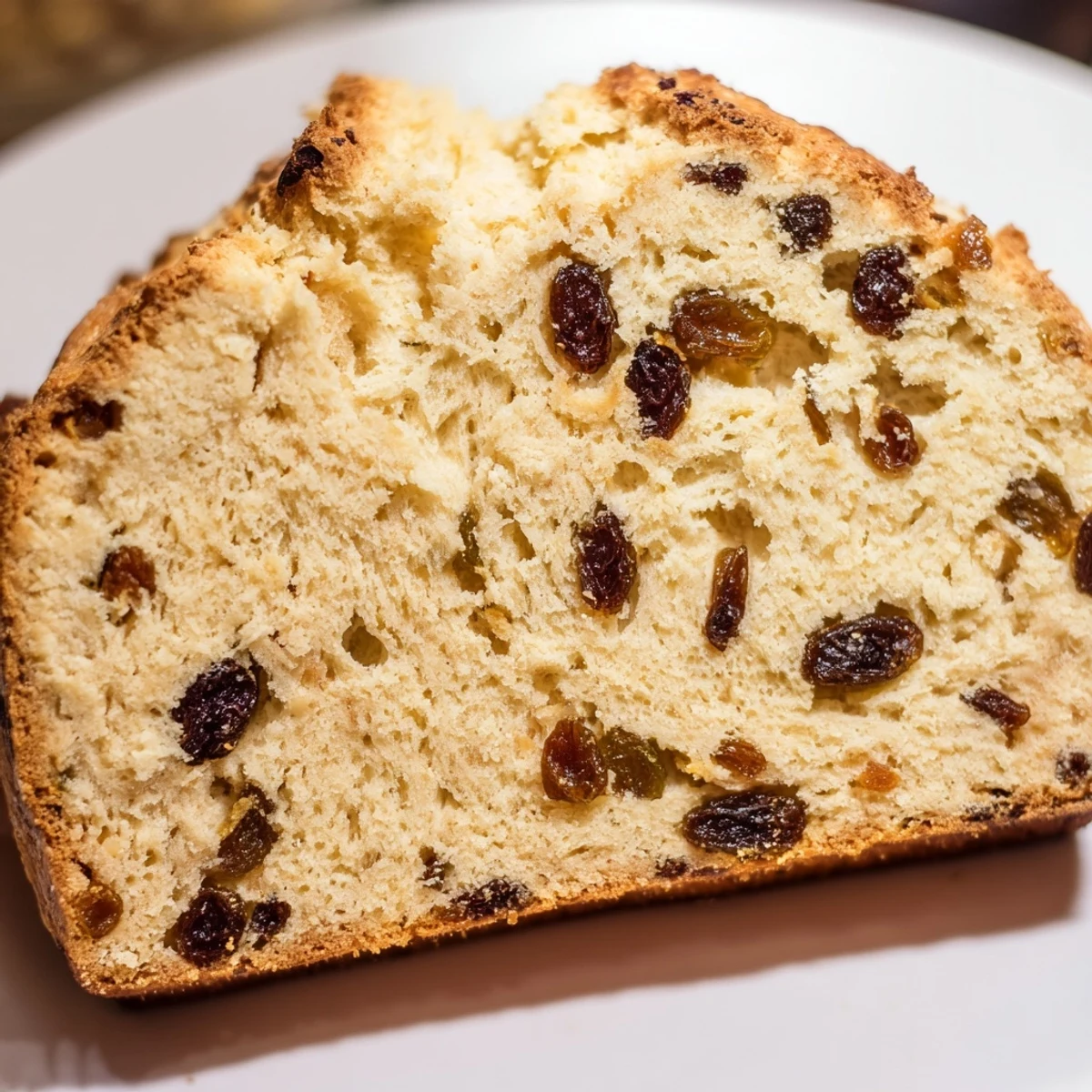
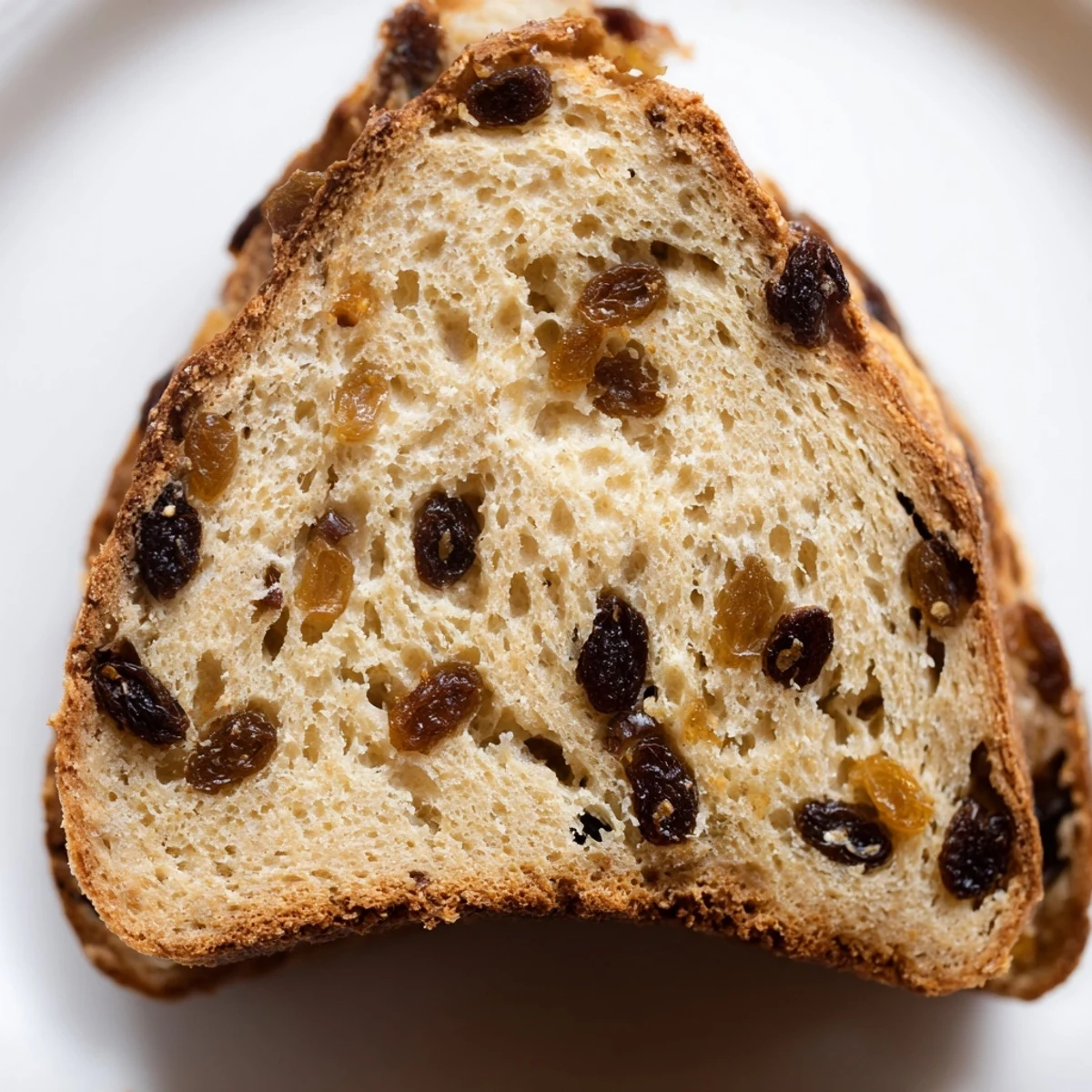
 This Irish Soda Bread is a beloved quick bake, featuring a tender, slightly sweet crumb. It's generously studded with plump raisins and fragrant caraway seeds, offering delightful bursts of flavor in every slice. Prepared swiftly in about 15 minutes, followed by 40 minutes in the oven, this simple loaf comes together with basic pantry staples like flour, buttermilk, and baking soda. The dough requires minimal handling before being shaped, scored, and baked to a golden perfection. It's ideal for a cozy breakfast or tea-time snack, especially when served warm with a dollop of butter or jam. Enjoy its fresh taste best on the day it's made.
The first time I stumbled upon Irish soda bread was during a particularly chilly March, looking for something comforting and quick. I had a spontaneous craving for something rustic, a warm hug in food form. The scent of caraway wafting from the oven that afternoon was simply intoxicating, promising a hearty treat. It instantly transported me to a cozy kitchen, even though I was just in my own.
I remember making this for a casual brunch one weekend, and my friend Sarah, who usually turns her nose up at anything with seeds, was utterly captivated by the caraway. She kept breaking off pieces, still warm, declaring it the best bread she’d ever had, which felt like a huge win for team ‘seeds in bread’. It’s funny how sometimes the simplest recipes bring the most unexpected delight.
Ingredients
- All-purpose flour: This is the foundation; measuring it properly, by spooning into the cup then leveling, makes a big difference to avoid a dense loaf.
- Granulated sugar: Just a touch to balance the tang of the buttermilk and give the bread a lovely, subtle sweetness that complements the raisins.
- Baking soda: Our magical leavening agent, reacting with the buttermilk to give this quick bread its rise without yeast.
- Salt: Essential for enhancing all the flavors, don’t skip it; it makes everything else sing.
- Caraway seeds: These are the soul of the bread, providing that distinct, slightly peppery, anise-like warmth that makes Irish soda bread so unique.
- Raisins: Plump and sweet, they burst in your mouth, offering lovely pockets of fruitiness; feel free to use a mix of golden and dark for visual appeal.
- Buttermilk: The star of the wet ingredients, its acidity is crucial for activating the baking soda and lending a tender crumb and characteristic tang.
- Large egg, lightly beaten: Adds richness and helps bind the dough, contributing to a softer texture and a beautiful golden crust.
- Unsalted butter, melted and slightly cooled: Introduces a wonderful richness and flavor; letting it cool a bit prevents it from scrambling the egg.
Instructions
- Set the Stage:
- Preheat your oven to 400°F (200°C) and prepare your baking surface, whether it’s parchment on a baking sheet or a lightly greased pan.
- Combine the Dry Goodness:
- In your largest mixing bowl, gently whisk together the flour, sugar, baking soda, salt, and caraway seeds until they’re all friendly with each other.
- Sweeten the Deal:
- Now, stir in the raisins, making sure every juicy piece gets a nice coating of the flour mixture; this stops them from sinking to the bottom during baking.
- Whisk the Wet Wonders:
- Grab a separate bowl and whisk together the buttermilk, the lightly beaten egg, and your slightly cooled melted butter until smoothly combined.
- Bring Them Together:
- Create a little hollow in the center of your dry ingredients, then pour in the entire wet mixture. Using a wooden spoon or spatula, mix just until a shaggy dough forms; resist the urge to overmix, as that leads to tough bread.
- A Gentle Touch:
- Turn the dough out onto a lightly floured surface and very gently knead it about 6-8 times, just enough to bring it all together into a cohesive ball.
- Shape and Score:
- Form the dough into a round loaf and place it on your prepared pan. With a sharp knife, cut a deep “X” across the top; this is traditional and helps the bread cook evenly.
- Bake Until Golden:
- Pop it into your preheated oven for 35-40 minutes, or until the top is beautifully golden brown and a skewer inserted into the center comes out clean.
- Cool with Patience:
- Transfer the hot loaf to a wire rack and let it cool for at least 20 minutes before you even think about slicing it; this allows the internal structure to set properly.
 Save to Pinterest
 I distinctly recall making this for my grandmother when she wasn't feeling well, and seeing her face light up with a small smile as she took a bite of the still-warm, buttered slice. It was a simple gesture, but in that moment, the bread felt like a tangible expression of love, offering comfort far beyond its ingredients.
Serving Suggestions & Companions
This bread truly shines when served warm. I've found that a generous smear of good quality salted butter is absolutely divine, melting into the crumb and highlighting the subtle sweetness. For a special treat, some homemade berry jam or a sharp cheddar cheese makes for an incredible combination, perfect for a breakfast or an afternoon snack. Don't be afraid to experiment with your favorite spreads!
A Note on Storage and Freshness
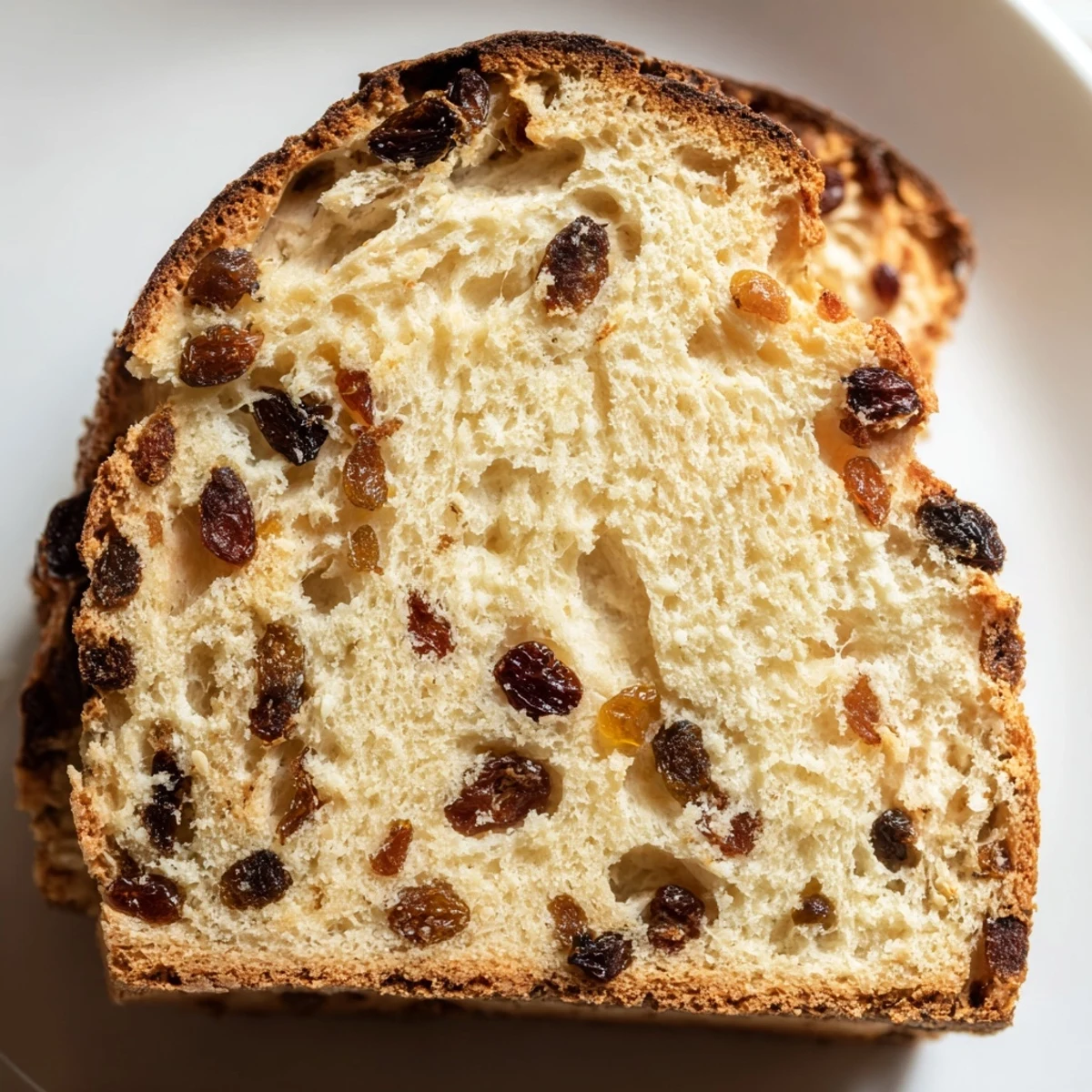
Irish soda bread is definitely at its best on the day it's baked, with that wonderful, crusty exterior and tender interior. I usually try to bake it just a few hours before I plan to serve it. If you have any leftovers, don't despair; it makes fantastic toast the next morning, especially when sliced thick and grilled lightly.
Troubleshooting Your Bake
Sometimes things don't go exactly as planned, even with a simple recipe. If your bread feels a bit dry, it might be due to overbaking or too much flour. If it didn't rise as much as you hoped, check your baking soda's freshness and ensure your buttermilk wasn't too cold. Remember, baking is a journey, and every loaf teaches you something.
- Always check your baking soda’s expiration date; it loses potency over time.
- Ensure your oven is truly at temperature by using an oven thermometer.
- Resist the urge to open the oven door too early during baking.
 Save to Pinterest
 This Irish Soda Bread is more than just a quick bake; it's an invitation to savor simple, wholesome flavors and create a moment of warmth in your kitchen. I hope it brings as much comfort and joy to your table as it has to mine.
Recipe FAQs
- → Why is it called 'soda bread'?
-
It uses baking soda as its primary leavening agent, activated by the acidity in buttermilk, which helps it rise quickly without yeast.
- → Can I substitute the raisins in this bread?
-
Absolutely! Currants, dried cranberries, or even chopped candied peel can be used in place of raisins to change the flavor profile. Just keep the quantities similar.
- → What makes this bread tender and not tough?
-
The combination of buttermilk and baking soda creates a light, tender crumb. Overmixing the dough can develop the gluten too much, leading to a tougher texture, so gentle handling is key.
- → How should I store leftover Irish Soda Bread?
-
This bread is best enjoyed fresh on the day it's baked. If you have leftovers, store them in an airtight container at room temperature for up to two days. It toasts very well the next day.
- → What's the purpose of the 'X' scored on top?
-
Traditionally, the 'X' is scored on top to allow the loaf to expand evenly during baking and to release steam. Some also believe it's to ward off evil spirits or to bless the bread.
- → Can this bread be made without dairy?
-
To make this dairy-free, you would need to use a plant-based milk alternative (like almond or soy milk) curdled with a tablespoon of vinegar or lemon juice, and a dairy-free butter substitute. Be aware of potential texture changes.