
 Save to Pinterest
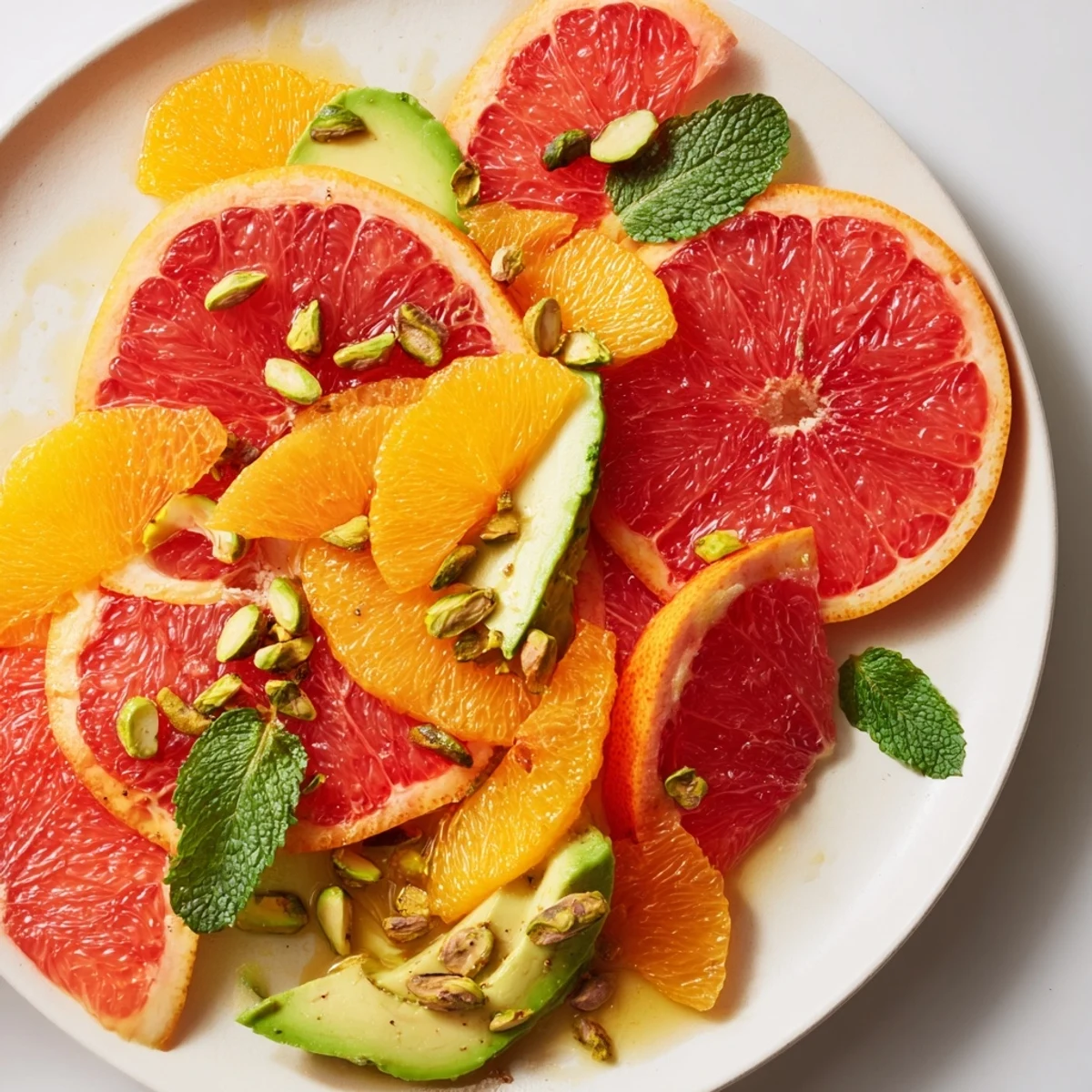
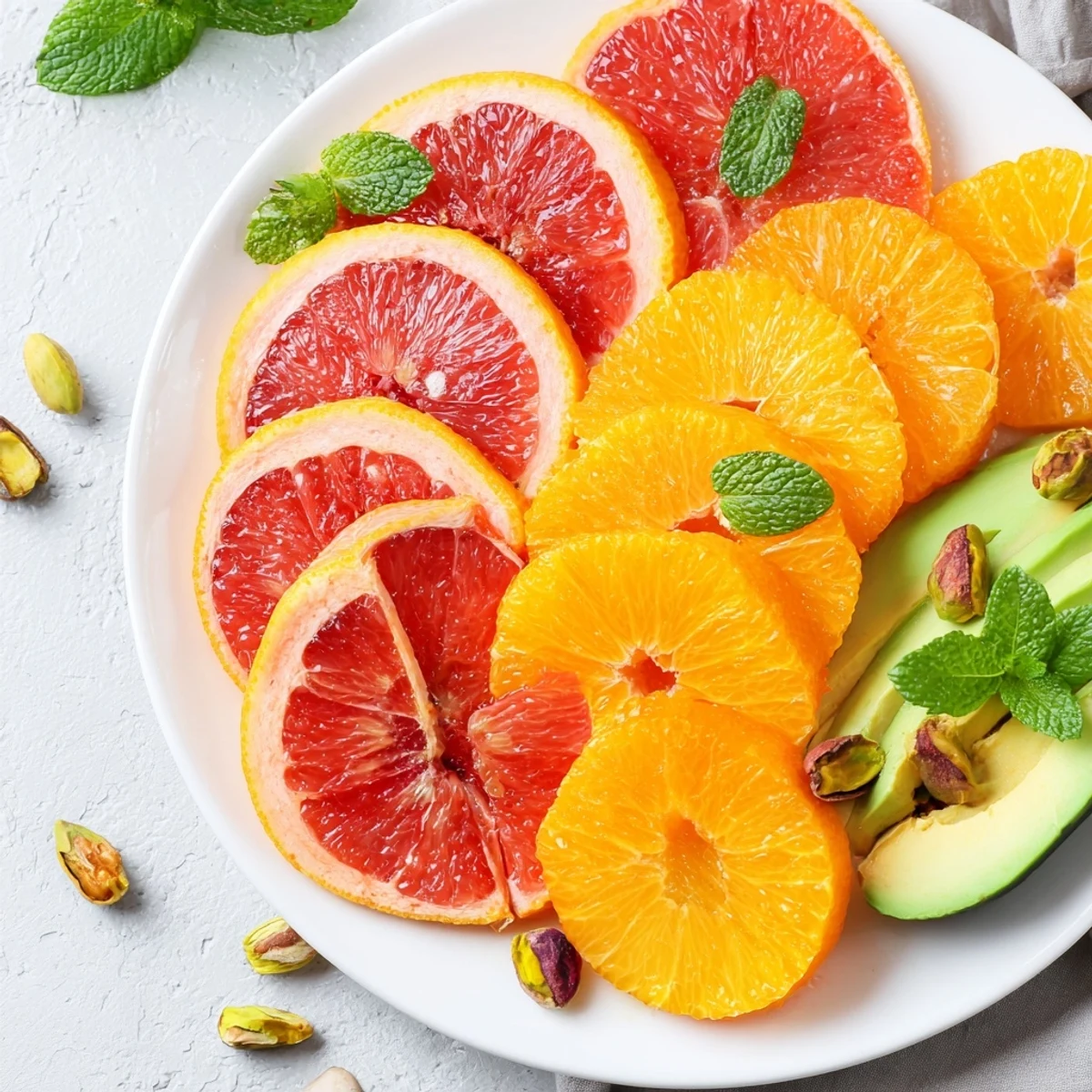
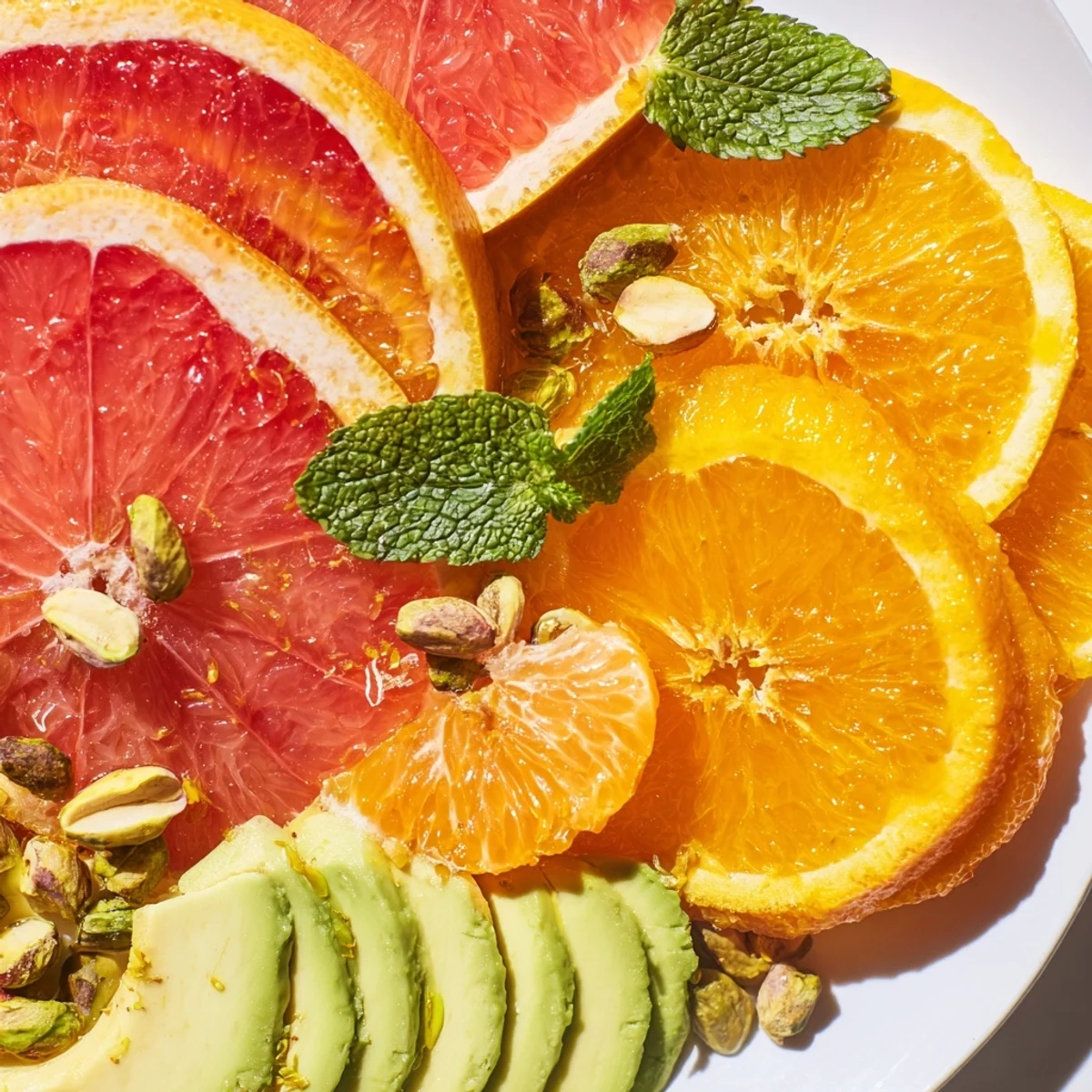
 This vibrant salad combines juicy winter citrus fruits like oranges, blood oranges, and grapefruit with creamy avocado slices and fresh mint leaves. A light dressing of olive oil, lemon juice, honey, and Dijon mustard adds balance, while optional toasted pistachios or almonds provide a satisfying crunch. Perfect for a quick, fresh, and colorful addition to colder days, this salad offers a refreshing burst of flavor and texture without cooking.
There's something magical about January when the farmers market suddenly explodes with citrus. I was standing in front of a pyramid of blood oranges one morning, the late winter sun hitting them just right, and I thought about how winter salads never have to be boring. That's when I started building this one—layering those jewel-toned citrus rounds with creamy avocado and mint, creating something that tastes like brightness on a plate.
I made this for a potluck where everyone else brought heavy, warming dishes, and honestly, watching people's faces light up when they tasted it—that brightness cutting through all the richness—that's when I knew this would be my go-to winter move. It feels fancy but your hands barely get dirty.
Ingredients
- Oranges and blood oranges: The regular oranges give you familiar sweetness, but the blood oranges add that stunning color and slightly deeper flavor—use them if you can find them.
- Grapefruit: This is where the brightness comes from; don't skip it even if the tartness seems intimidating.
- Avocados: Look for ones that yield slightly to pressure—ripe but not mushy—because they'll slice cleanly without falling apart.
- Fresh mint: Tear it just before serving so it doesn't bruise and turn dark.
- Extra-virgin olive oil: The good stuff matters here since it's doing heavy lifting in the dressing.
- Lemon juice: Fresh squeezed tastes completely different from bottled, and you'll notice the difference immediately.
- Honey or maple syrup: This balances the tartness, so taste as you go and adjust to your preference.
- Dijon mustard: Just a touch, enough to add complexity without anyone identifying it as mustard.
- Pistachios or almonds: Toast them yourself if you have time—it brings out flavors the raw ones can't touch.
Instructions
- Lay out your citrus canvas:
- Arrange all your citrus slices on a large platter so they overlap slightly like shingles. If the slices look small and sad scattered out, you're doing it right—they'll fill in nicely with the other components.
- Add the creamy element:
- Fan your avocado slices over the citrus, tucking them into the gaps. Work gently because avocado bruises if you're not careful, but don't be so precious about it that you freeze up.
- Scatter the mint:
- Tear the mint leaves with your fingers and scatter them across everything. The texture contrast of the soft herbs against the firm citrus is part of the whole experience.
- Build the dressing:
- In a small bowl, whisk the olive oil, lemon juice, honey, and mustard until it looks cohesive and slightly thickened. Taste it on a piece of citrus before you commit to the whole salad.
- Bring it together:
- Drizzle the dressing over everything in a loose pattern—don't drown it. The salad should glisten, not swim.
- Final touches:
- Sprinkle your toasted nuts on top and serve immediately, because once everything sits together too long, the avocado starts to oxidize and the citrus releases juice that dilutes the dressing.
 Save to Pinterest
 I remember my roommate in college came home while I was making this, and without asking for a taste, she just pulled up a chair and ate half of it straight off the platter with a fork. That's when I realized the magic isn't just in the flavors—it's in how it makes people slow down and enjoy something simple and alive tasting.
Why Winter Needs This Salad
December through February is when citrus season peaks, and I learned early on that ignoring it means missing out on flavors that disappear for months. There's something about serving a salad when everyone's expecting something cooked and heavy that shifts the whole mood of a meal. This one feels indulgent without weighing you down.
Playing Around With Variations
The skeleton here is solid, but once you understand how it works, you can swap almost everything. Cara cara oranges instead of regular ones, pomegranate seeds instead of nuts, cilantro or basil instead of mint, or even a sprinkle of chile flakes if you want something unexpected. I've made this with clementines in a rush when oranges weren't pretty enough, and honestly, the smaller slices almost worked better for layering.
Serving and Storage Ideas
This is best served within 20 minutes of assembly, but if you're prepping for a gathering, you can slice everything ahead and keep it separate. Toast your nuts in advance too. Just don't assemble it fully until your guests are about to eat, or the textures get sad and the dressing breaks down.
- Pair it alongside grilled fish or roasted chicken, where it cuts through richness beautifully.
- Serves four as a side, or two hungry people as a light lunch with some bread on the side.
- If nuts are an issue, swap for seeds or just skip them entirely—the salad stands on its own flavor.
 Save to Pinterest
 This salad reminds me that the best meals don't always come from complicated recipes or hours at the stove. Sometimes it's just good ingredients treated with respect, arranged with intention, and shared while the flavors are still bright.
Recipe FAQs
- → What citrus fruits are used in this salad?
-
The salad features peeled and sliced oranges, blood oranges, and grapefruit for a juicy, tangy base.
- → Can I substitute the nuts used in the salad?
-
Yes, pistachios or almonds are optional and can be swapped for pumpkin seeds to keep the salad nut-free.
- → Is the dressing sweet or savory?
-
The dressing balances tangy lemon juice and Dijon mustard with a touch of honey or maple syrup for subtle sweetness.
- → How should the avocado be prepared?
-
Use ripe avocados sliced thinly and fanned over the citrus for creaminess and texture contrast.
- → Can this salad be prepared ahead of time?
-
For best freshness, assemble shortly before serving, especially to prevent avocado browning.