
 Save to Pinterest
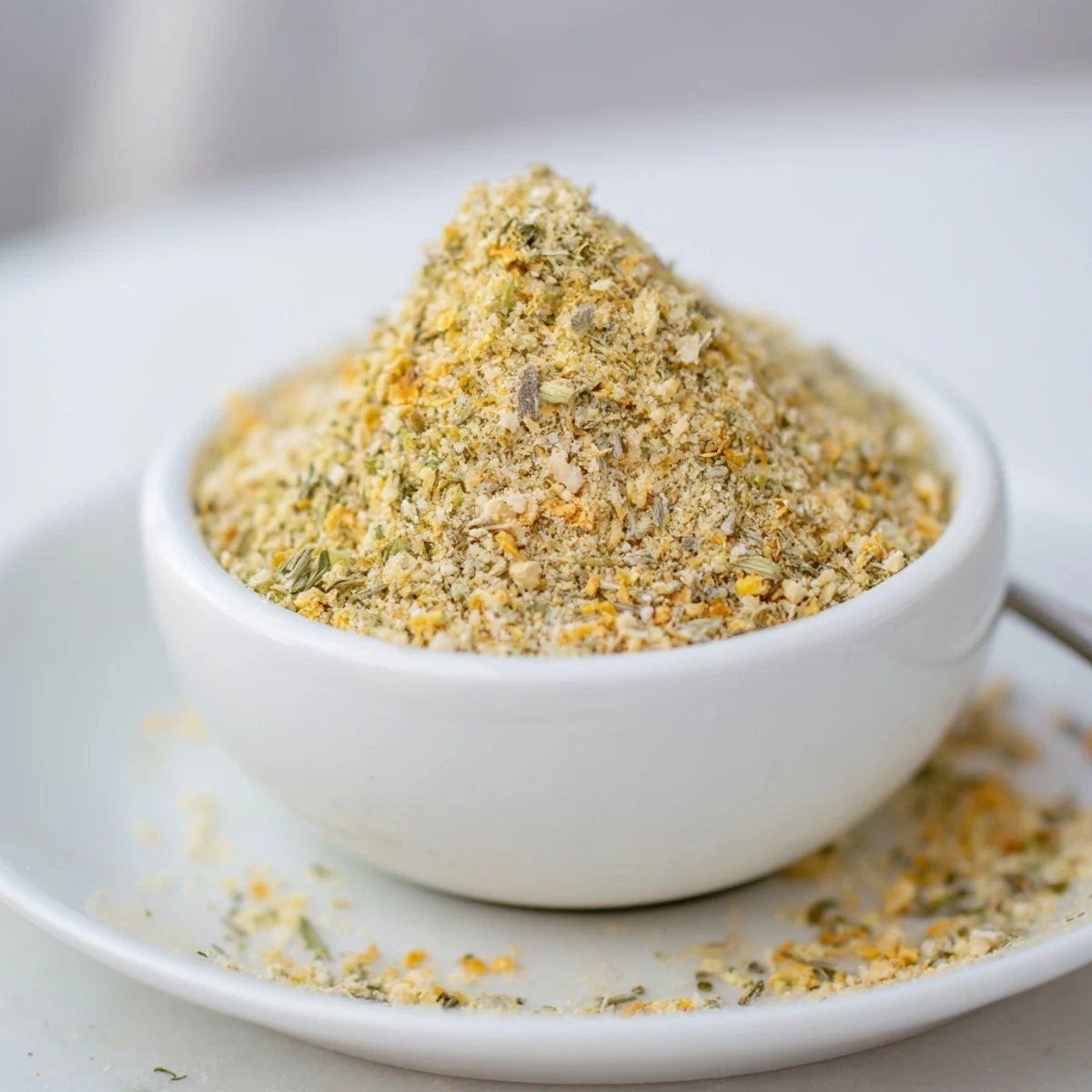
 This savory, aromatic vegan chicken-style seasoning combines nutritional yeast, onion and garlic powders, thyme, sage, parsley, paprika, turmeric, rosemary, pepper, and salt. Mix in minutes, store in an airtight jar up to six months. Use as a dry rub for tofu, seitan, or vegetables; whisk into oil or broth for marinades and savory bowls.
My spice drawer was a disaster the afternoon I decided to go vegan, and recreating that familiar chicken flavor felt impossible until I started dumping nutritional yeast into everything with reckless abandon. This blend born from sheer stubbornness now lives in a mason jar next to my stove and gets tossed into practically everything I cook. The turmeric stains your fingers yellow but tricks your brain into tasting something deeply savory and comforting. Five minutes of measuring and whisking is all it takes to convince even the most devoted carnivore that plants got personality.
My roommate walked in while I was rubbing this over thick slabs of pressed tofu before a barbecue and loudly announced that the kitchen smelled like her grandmothers Sunday dinner. She stood there with her hand on her hip watching me sprinkle the golden powder on roasted potatoes too, and neither of us said anything for a minute because the smell had done all the talking. We ate those potatoes standing over the baking sheet, burning our fingers, not even bothering with plates. That jar has been in constant rotation ever since that night.
Ingredients
- 3 tbsp nutritional yeast: This is the backbone of the entire blend and provides that rich, savory depth that makes everything taste suspiciously like chicken. Use fresh flakes, not the dusty stuff at the bottom of an old container.
- 2 tbsp onion powder: Adds a sweet, rounded base note that holds the whole mixture together without overpowering it.
- 1 and a half tbsp garlic powder: Essential for building that roasted, comforting aroma everyone associates with home cooking.
- 2 tsp dried thyme: Rub it between your palms before adding to release the oils and wake up the flavor considerably.
- 2 tsp dried sage: Gives the blend its earthy, slightly peppery character that reads as poultry seasoning to most palates.
- 2 tsp dried parsley: Mild and grassy, it brightens the heavier spices and balances the overall profile beautifully.
- 1 and a half tsp ground paprika: Smoked paprika adds a campfire warmth, while sweet paprika keeps things gentle. Either works depending on your mood.
- 1 and a half tsp ground turmeric: Responsible for the golden color and a subtle earthiness that rounds out the sharper spices. It will stain everything it touches, so consider yourself warned.
- 1 tsp dried rosemary, finely crushed: Crush it as fine as you can because coarse rosemary needles in a rub are an unpleasant textural surprise nobody needs.
- 1 tsp ground black pepper: Freshly ground is always better, but preground works fine here since the blend sits and the flavors meld over time.
- 1 and a half tsp sea salt: Adjust to your preference or leave it out entirely if you want full control over sodium when cooking.
- half tsp celery seed, optional: This tiny addition makes the blend taste remarkably like classic poultry seasoning and is worth seeking out.
- half tsp ground white pepper, optional: Adds a gentle heat that differs from black pepper and contributes to the authentic flavor profile.
Instructions
- Gather and measure everything:
- Grab a small mixing bowl and measure out every spice carefully, dumping each one in together. Take a moment to crush the rosemary between your fingers as you add it, letting the fragrant oils release into the bowl.
- Whisk until unified:
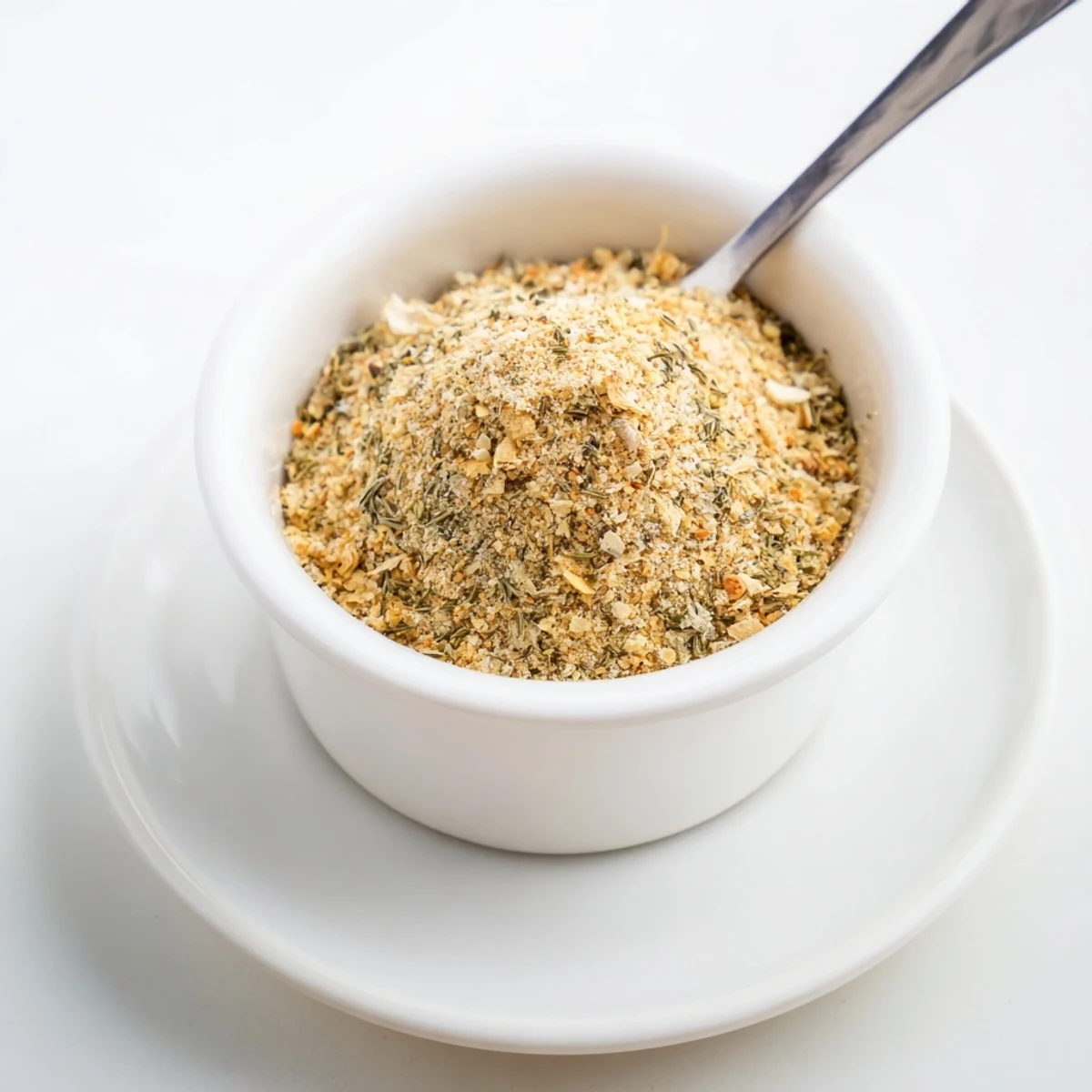
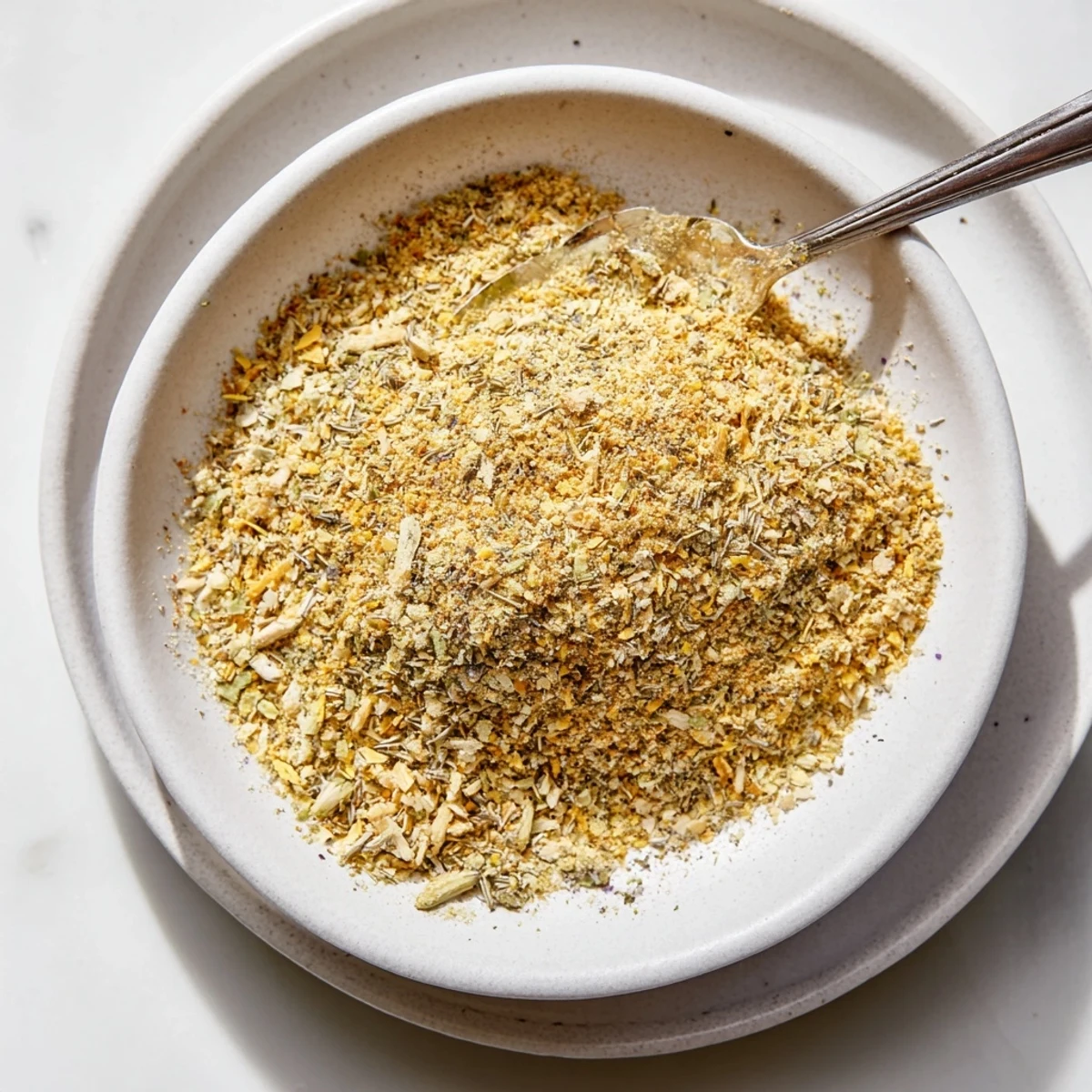
- Stir everything with a small whisk or fork until you see an even golden color throughout with no clumps of any single spice hiding in corners. The uniform color means the flavors will distribute evenly when you cook with it.
- Store it properly:
- Transfer the blend to an airtight container with a tight lid and keep it in a cool, dry cupboard away from sunlight and moisture. A labeled glass jar with a shaker top turns this into something you will actually reach for daily.
- Use as a dry rub:
- Sprinkle generously over pressed tofu, seitan cutlets, or thick vegetables before roasting or grilling until the surface turns golden and slightly crisp. Press it gently into the surface so it adheres rather than falling off into the pan.
- Build a marinade:
- Stir one to two tablespoons into a cup of olive oil, lemon juice, or vegetable broth and let your plant proteins soak for at least thirty minutes. The longer it sits, the more the dried herbs rehydrate and permeate everything with flavor.
- Whisk into instant broth:
- Drop one tablespoon into a cup of hot water and stir until dissolved for a quick sipping broth or cooking liquid that tastes remarkably like chicken stock. Taste and add more salt if you like it bolder.
 Save to Pinterest
 I packed a small jar of this into a care package for my sister when she moved into her first apartment with a kitchen the size of a closet. She texted me a photo a week later of a roasted cauliflower head covered in the golden seasoning, sitting proudly in the center of her tiny table with two plates and a candle. She said it was the first thing she had cooked that actually tasted like she knew what she was doing. Seasoning has a way of making a new place feel like yours.
When to Reach for This Jar
Anytime a recipe calls for chicken bouillon, poultry seasoning, or just a general savory boost, this blend steps in without hesitation. I scatter it over roasted sweet potatoes on lazy weeknights, toss it with cauliflower florets before air frying, and stir it into soup pots that need a little something extra. It even works sprinkled over popcorn if you are the kind of person who likes savory snacking adventures. Basically, if you are cooking something savory and it tastes flat, this is the answer hiding in your cupboard.
Making It Your Own
The beauty of a homemade spice blend is that it bends to whatever you like best. Add a quarter teaspoon of smoked paprika if you want more campfire depth, or swap the sage for marjoram when you are going for a lighter, more Mediterranean feel. A pinch of mustard powder adds a surprising tang that works brilliantly in marinades. Treat the recipe as a starting point and adjust until it tastes like something you would put on everything, because that is exactly what you will end up doing.
A Few Final Thoughts
Keep your blend in a jar you actually enjoy seeing on your shelf because it will become a constant companion in your kitchen routine. Write the date on the bottom with a marker so you know when freshness starts to fade, usually around the four to six month mark depending on your climate. Trust your nose above all else because if it still smells vibrant and savory, it still has work to do.
- Double the batch if you find yourself reaching for it daily because running out is genuinely frustrating.
- Pulse the whole blend in a spice grinder for five seconds if you want a finer texture that clings better to smooth surfaces like tofu.
- Always put the lid back on tight because humidity is the enemy of everything good in your spice drawer.
 Save to Pinterest
 Good seasoning does not ask permission to transform a meal, and this little golden jar has earned a permanent spot next to my salt and pepper as the third thing I reach for every single time I cook. Share it generously and watch people lean in closer when the kitchen starts smelling like home.
Recipe FAQs
- → How should I store the blend?
-
Keep it in an airtight container away from heat and sunlight. Stored properly, the blend stays flavorful for up to six months.
- → Can I reduce the salt without losing flavor?
-
Yes. Cut the salt and boost umami with a bit more nutritional yeast or a pinch of mushroom powder, then adjust to taste when using.
- → How much seasoning for a marinade?
-
Use 1–2 tablespoons of the blend per cup of liquid (olive oil, lemon juice, or broth) and adjust depending on the intensity you prefer.
- → What works as a substitute for nutritional yeast?
-
For a similar savory note, try a small amount of miso dissolved into the liquid component of a marinade, or increase toasted sesame for nuttiness, keeping in mind texture and salt balance.
- → Can I use this on vegetables and potatoes?
-
Absolutely. Sprinkle generously on potatoes or vegetables before roasting or grilling; it adds depth and a golden color from the paprika and turmeric.
- → How do I make a broth with this blend?
-
Stir about 1 tablespoon into 1 cup of hot water or vegetable stock, taste, and adjust salt. For a richer broth, dissolve the seasoning into warm stock and simmer briefly.