 Save to Pinterest
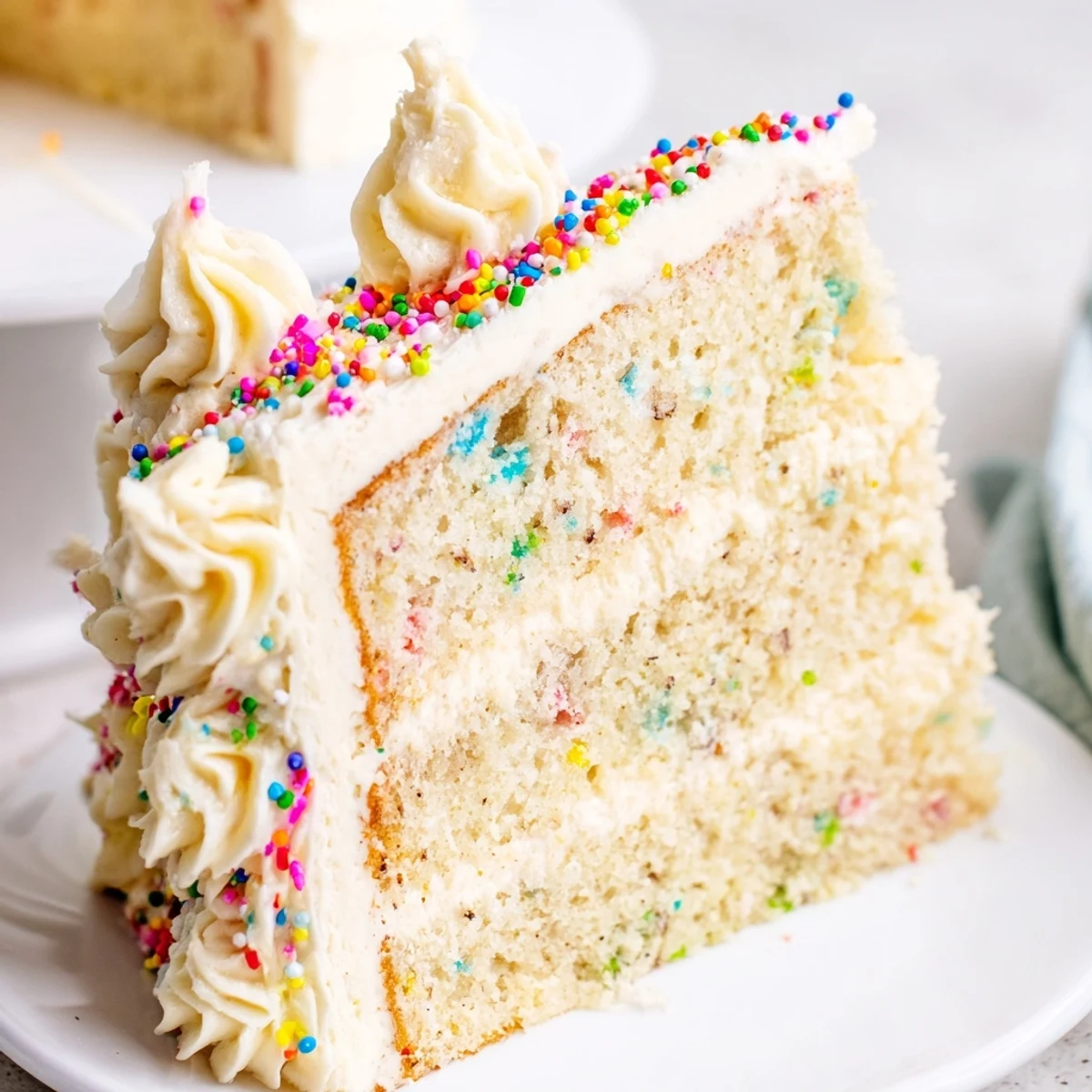
 This elegant vanilla bean celebration cake features tender, moist layers infused with real vanilla bean seeds and smothered in silky buttercream frosting. The classic combination yields a professional-quality dessert that impresses at any gathering.
The magic lies in the vanilla bean paste, which distributes those signature black specks throughout each tender crumb. The buttercream delivers rich, creamy sweetness that balances perfectly with the delicate vanilla cake base.
Ready in about 75 minutes, this showstopping dessert serves twelve lucky guests. Whether decorated with simple sprinkles or edible flowers, it creates a memorable centerpiece worthy of life's sweetest moments.
The kitchen still smelled like vanilla hours after I finished baking this cake. I'd spent a good five minutes scraping seeds from two vanilla beans, watching the tiny specks scatter through the butter like edible confetti. My daughter stood on a stool beside me, licking the beater and declaring this the most important cake I'd ever made. That's the thing about birthday cakes—they carry more than just flour and sugar.
Last year I made three of these cakes in a single week—two for friends' birthdays and one just because my kitchen needed cheering up on a rainy Tuesday. Each time, the moment I pulled those golden layers from the oven, the whole house felt warmer somehow. My neighbor texted asking what smelled so incredible, which is how I ended up delivering half a cake across the street at 9 PM.
Ingredients
- All-purpose flour: The backbone of your cake structure, providing the perfect crumb texture
- Baking powder: Essential for that tall, proud rise in the oven
- Fine salt: A small pinch balances sweetness and enhances vanilla flavor
- Unsalted butter: Room temperature butter creates the tenderest crumb imaginable
- Granulated sugar: Creaming butter and sugar creates air pockets for a light texture
- Large eggs: Must be room temperature to emulsify properly with the butter
- Vanilla bean paste: Those gorgeous specks and concentrated flavor make this cake special
- Whole milk: Adds moisture and richness for a tender crumb
- Unsalted butter for frosting: The foundation of silky, dreamy buttercream
- Powdered sugar: Sifting prevents lumps and ensures smooth frosting
- Whole milk for frosting: Thins just enough for spreadable consistency
- Vanilla extract: Deepens the vanilla flavor in the frosting
Instructions
- Prep your pans and oven:
- Rub soft butter into two 9-inch pans, line bottoms with parchment circles, and set oven to 350°F
- Mix the dry team:
- Whisk flour with baking powder and salt in a medium bowl until well blended
- Cream butter and sugar:
- Beat butter and sugar for 3 to 4 minutes until the mixture looks pale and fluffy
- Add eggs and vanilla:
- Drop in eggs one by one, letting each incorporate before adding the next, then mix in vanilla paste
- Combine wet and dry:
- Add flour in three parts, alternating with milk, starting and ending with flour
- Bake the layers:
- Divide batter between pans, smooth tops, bake 30 to 35 minutes until a toothpick emerges clean
- Cool completely:
- Let cakes rest 10 minutes in pans, then turn onto racks to cool fully before frosting
- Make buttercream magic:
- Beat butter until creamy, blend in powdered sugar, then whip with milk and vanilla until fluffy
- Assemble your masterpiece:
- Spread frosting between layers, then coat top and sides generously with remaining buttercream
 Save to Pinterest
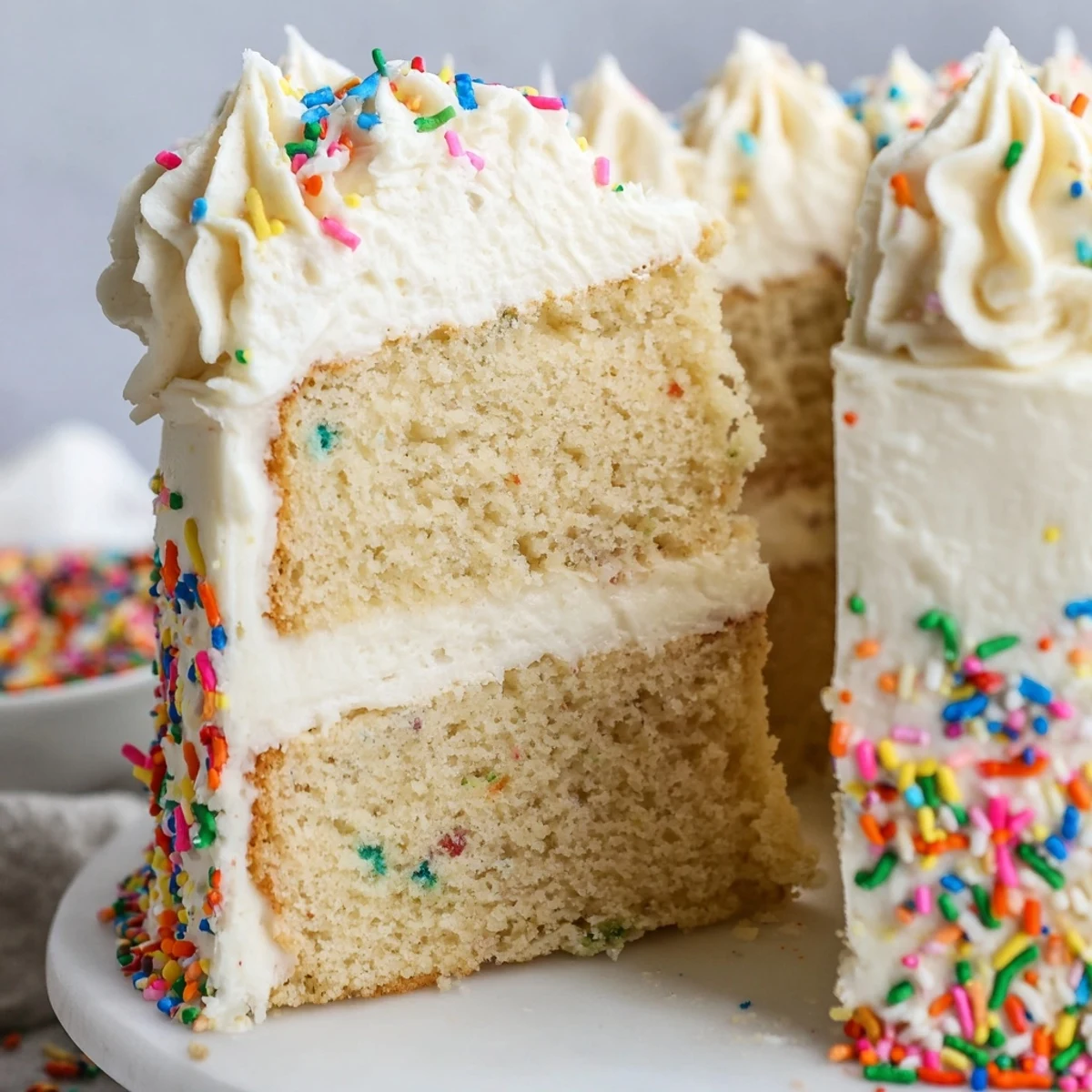
 I once rushed this recipe and used cold eggs straight from the fridge. The batter curdled before my eyes, and though it baked up fine, I spent the whole oven time worrying. Now I set everything out an hour ahead, treating ingredient temperature like the most important rule in baking. That first slice, when the knife glides through perfectly tender crumb, reminds me why patience matters.
Making It Ahead
The unfrosted cake layers freeze beautifully for up to a month. Wrap each cooled layer tightly in plastic, then foil, and thaw overnight in the refrigerator before frosting day arrives.
Getting That Bakery Look
Chill your frosted cake for 30 minutes before the final smooth. An offset spatula dipped in hot water, then wiped dry, glides across buttercream like a dream.
Simple Syrup Secret
Brush each cooled layer with equal parts sugar and water, boiled then cooled. This keeps cake moist for days.
- Add a splash of vanilla to the syrup
- Use a pastry brush for even distribution
- Do not oversoak the layers
 Save to Pinterest
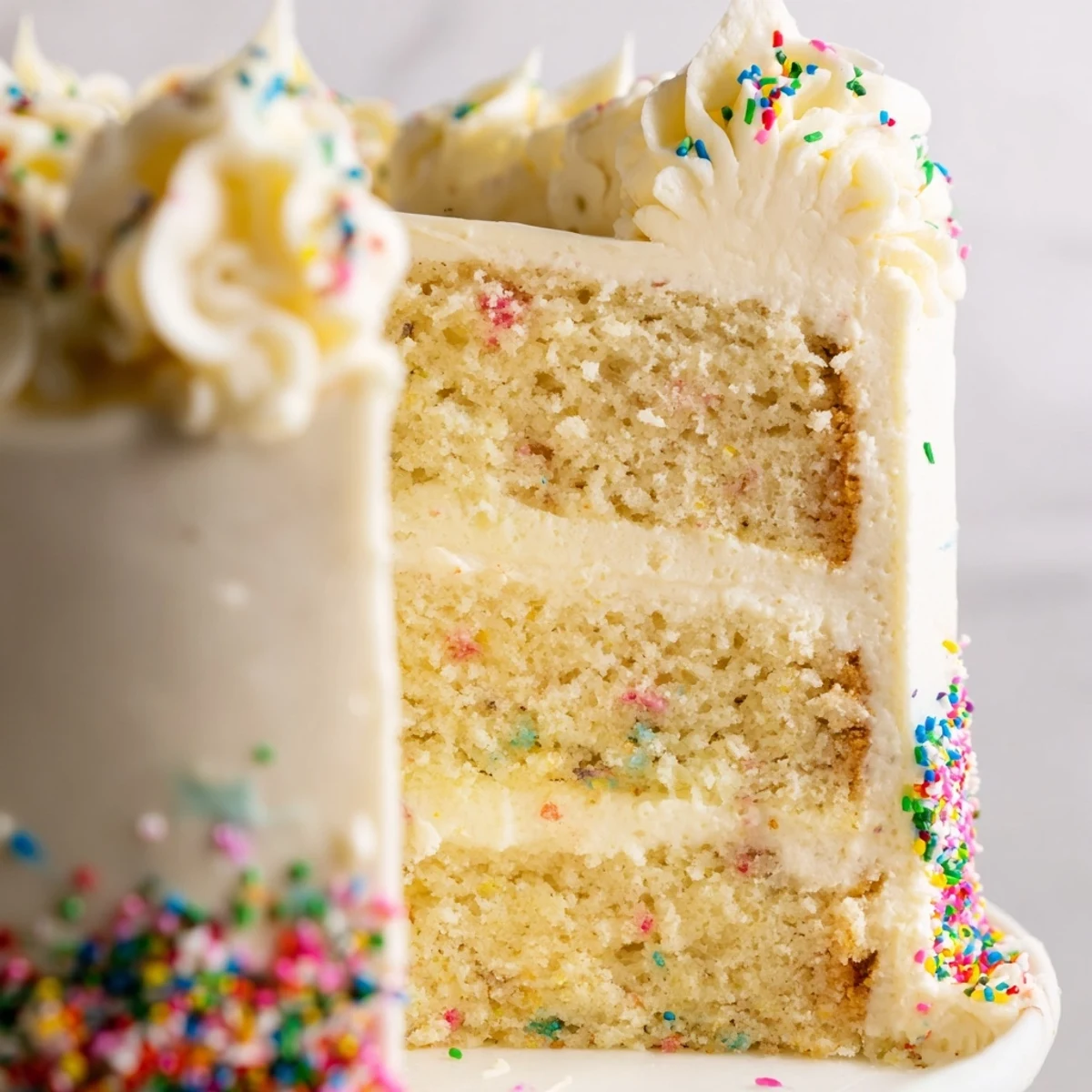
 There's something deeply satisfying about serving a cake you made from scratch. Watch people's eyes light up when they see those vanilla specks and you'll understand.
Recipe FAQs
- → Can I make this cake ahead of time?
-
Yes! Bake layers up to two days ahead, wrap tightly in plastic, and store at room temperature. The buttercream can be prepared ahead and refrigerated; bring to room temperature and re-whip before frosting. Assembled cake keeps well for 2-3 days when covered.
- → What's the difference between vanilla bean paste and extract?
-
Vanilla bean paste contains actual vanilla bean seeds, providing both intense flavor and those signature black specks throughout your baked goods. It delivers a more concentrated, authentic vanilla taste compared to standard extract.
- → How do I prevent my cake layers from doming?
-
Ensure your oven is properly calibrated and bake at the recommended temperature. Using cake strips around the pans helps distribute heat evenly. If doming occurs, simply trim the tops with a serrated knife before layering.
- → Can I freeze this vanilla bean cake?
-
Absolutely! Wrap cooled, unfrosted layers individually in plastic wrap and foil, then freeze for up to 3 months. Thaw overnight at room temperature before frosting. Frosted cake can also be frozen, though the texture may change slightly.
- → Why did my buttercream turn out too thin or thick?
-
Temperature affects buttercream consistency significantly. If too warm, the butter softens and creates thin frosting. Chill briefly and re-whip. If too thick, add milk one teaspoon at a time until you reach spreadable consistency.
- → Can I use cake flour instead of all-purpose flour?
-
Yes! Cake flour creates an even lighter, more tender crumb due to its lower protein content. Use the same amount called for in the recipe. Your layers will have a delicate, fine texture perfect for special occasions.