
 Save to Pinterest
 These lemon poppy seed scones offer a tender, buttery crumb enhanced by fresh lemon zest and juice. Poppy seeds add a subtle crunch and nutty flavor. The dough is gently mixed and shaped into wedges, then baked to a golden finish. A light lemon glaze adds sweetness and tang, perfect for pairing with tea or morning coffee. Ideal for a quick breakfast or afternoon treat, these scones are simple to prepare and delightfully flavorful.
The first time I made these scones, my tiny apartment smelled like a sunny lemon grove within minutes of them hitting the oven. I was experimenting with weekend baking and stumbled onto what would become my go-to treat for unexpected guests. Something about that citrus fragrance just makes people pause and smile, even before they taste anything.
Last spring, my neighbor Sarah stopped by right as I was pulling these from the oven. She ended up staying for an hour, just talking over warm scones and tea, which turned into this lovely little tradition we now keep whenever either of us has a rough week. Food really does bring people together in the simplest ways.
Ingredients
- 2 cups (250 g) all-purpose flour: The foundation of your scone structure, though I have discovered that weighing your flour instead of measuring by cup makes a huge difference in texture
- 1/3 cup (65 g) granulated sugar: Just enough sweetness to let the lemon shine without turning these into dessert
- 1 tbsp poppy seeds: These tiny seeds add this satisfying little crunch throughout every bite
- 1 tbsp finely grated lemon zest: Use a microplane if you have one, and really get into that yellow peel for maximum oil
- 2 tsp baking powder: This is what gives you those beautiful tall, flaky layers
- 1/4 tsp baking soda: Works with the acidic ingredients to create extra lift
- 1/2 tsp salt: Do not skip this, it makes all the other flavors pop
- 1/2 cup (115 g) cold unsalted butter, cubed: Cold butter is non-negotiable here, I keep mine in the freezer for 15 minutes before baking
- 2/3 cup (160 ml) cold heavy cream: The fat content creates tenderness that milk just cannot match
- 1 large egg: Adds structure and richness to the crumb
- 2 tbsp freshly squeezed lemon juice: Fresh is absolutely essential here
- 1 tsp vanilla extract: Rounds out the sharp citrus with warmth
- 1/2 cup (60 g) powdered sugar: For the glaze that makes these look bakery beautiful
- 1–2 tbsp freshly squeezed lemon juice: Adjust based on how thick you like your glaze
Instructions
- Preheat and prepare your workspace:
- Set your oven to 400°F (200°C) and line a baking sheet with parchment paper while your ingredients are still cold
- Whisk the dry mixture:
- In a large bowl, combine flour, sugar, poppy seeds, lemon zest, baking powder, baking soda, and salt until everything is evenly distributed
- Cut in the butter:
- Add cold butter cubes and work them into the flour with a pastry cutter or your fingertips until you see coarse crumbs with some pea-sized pieces remaining
- Mix the wet ingredients:
- Whisk together cream, egg, lemon juice, and vanilla extract in a separate bowl until combined
- Bring the dough together:
- Pour wet ingredients into the dry mixture and stir gently with a fork until just barely combined
- Shape the scones:
- Turn the dough onto a lightly floured surface, gently knead just a few times, then pat into a 1-inch thick circle
- Cut and arrange:
- Cut the circle into 8 wedges and transfer them carefully to your prepared baking sheet, leaving space between each
- Add the finishing touch:
- Brush the tops with a little extra cream for that golden, professional-looking finish
- Bake until golden:
- Bake for 16–18 minutes until the tops are golden brown and a toothpick comes out clean
- Cool completely:
- Let the scones rest on a wire rack until they are no longer warm to the touch
- Make the glaze:
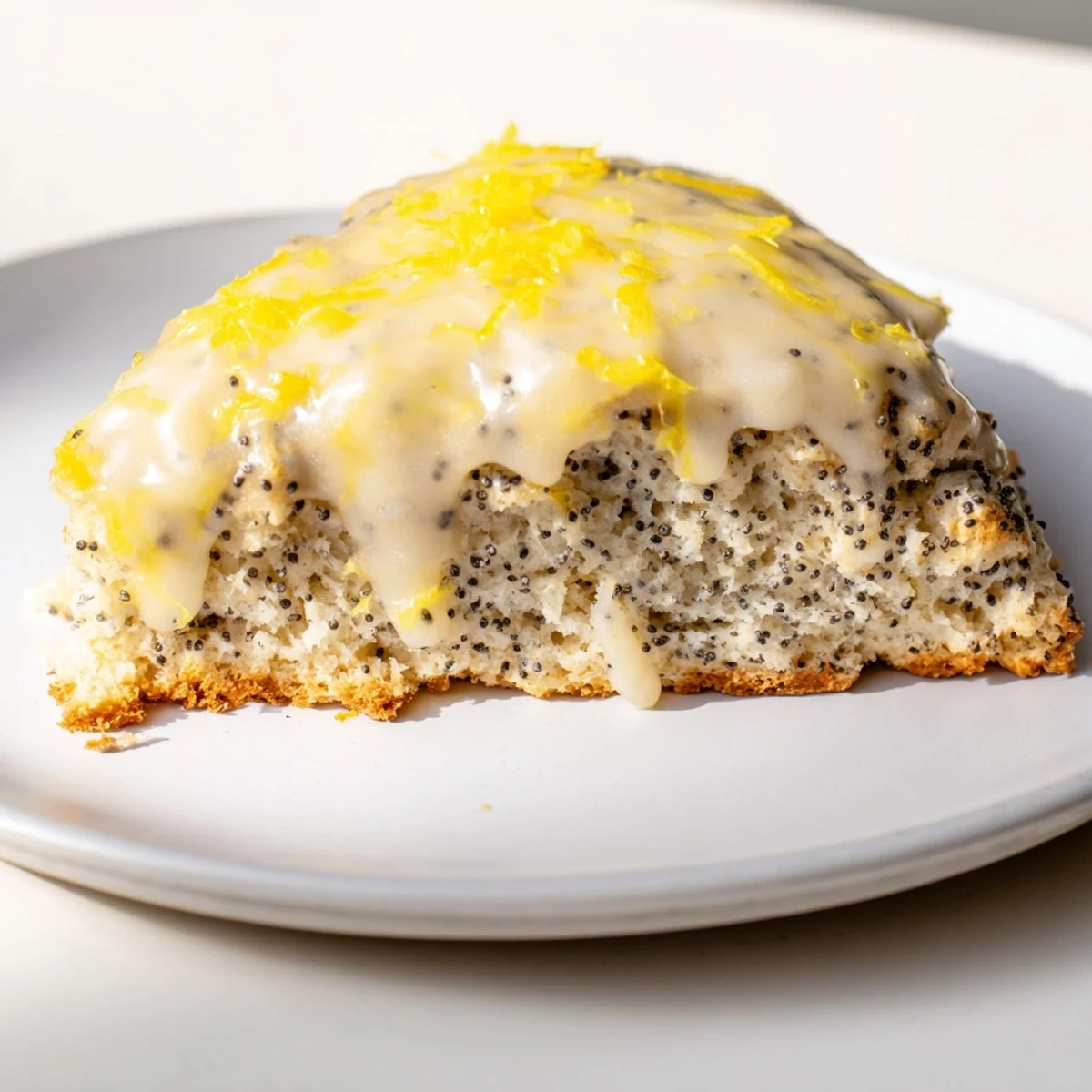
- Whisk powdered sugar with lemon juice until smooth, then drizzle generously over the cooled scones
 Save to Pinterest
 My mom called these happiness scones after I made them for her birthday breakfast, and honestly, the name stuck because watching someone bite into that first glaze-topped piece is pure joy. Now they are her most requested recipe for every family gathering.
Getting The Perfect Texture
After making dozens of batches, I have learned that the most common mistake is warming up the butter or overmixing the dough. Keep everything cold, work quickly, and trust that shaggy looking dough will bake up beautifully.
Making These Your Own
Sometimes I add white chocolate chips when I want something sweeter, or swap half the lemon for orange when I am craving variety. The base recipe is forgiving enough to handle all kinds of creative twists.
Serving Suggestions
These scones have become my standby for brunch because they feel special but do not require last minute work. I bake them fresh, then set out little bowls of clotted cream and lemon curd for people to help themselves.
- Warm them slightly before serving for that just-baked experience
- Pair with Earl Grey tea for the classic British combination
- Wrap individually and freeze for grab and go breakfasts all week
 Save to Pinterest
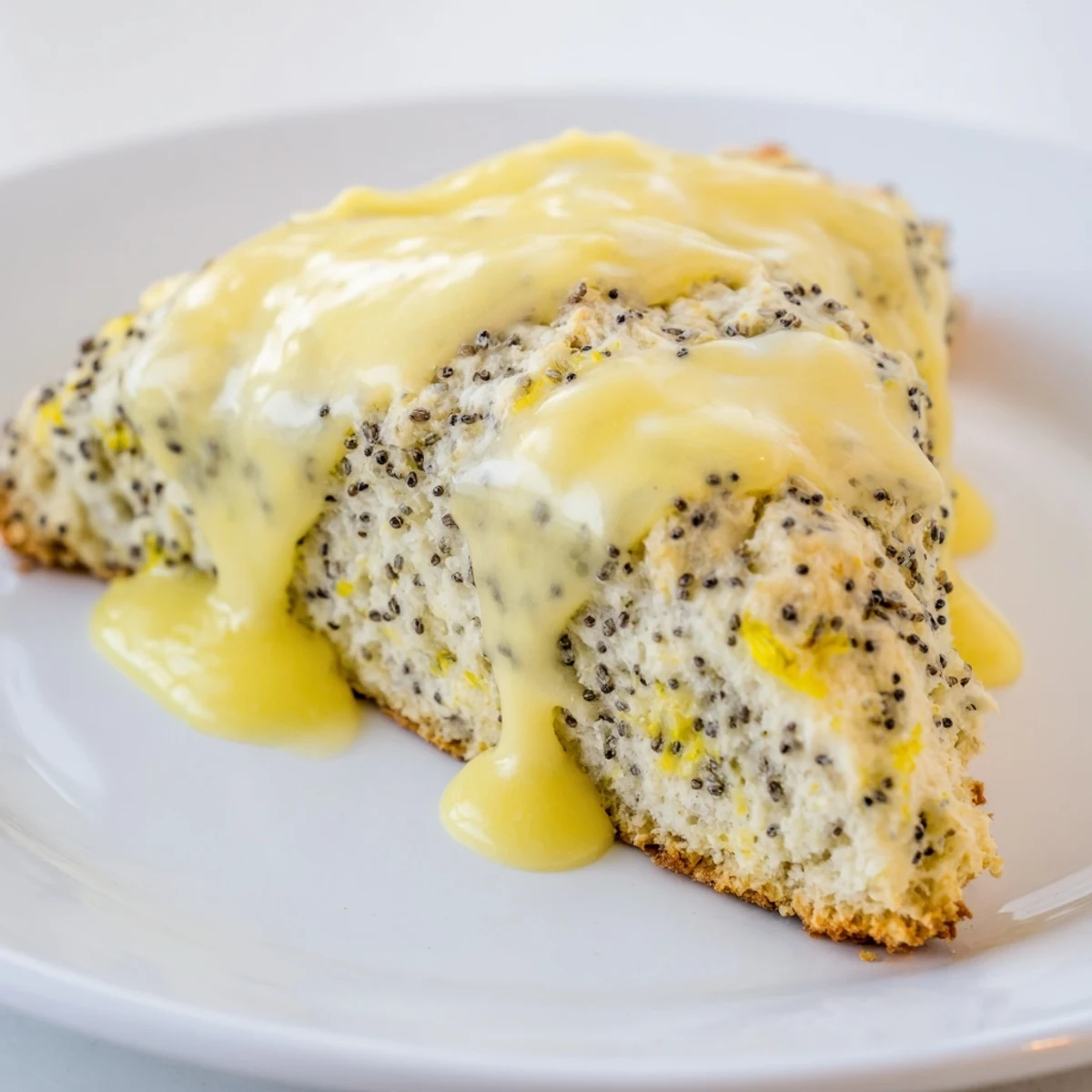
 There is something so satisfying about pulling a batch of these from the oven, watching the glaze set, and knowing you have created something that will make someone is day just a little brighter.
Recipe FAQs
- → What gives these scones their lemon flavor?
-
Freshly grated lemon zest and freshly squeezed lemon juice provide the bright citrus notes that define their flavor.
- → How do poppy seeds affect the texture?
-
Poppy seeds add a gentle crunch and a subtle nutty taste that complements the tender crumb of the scones.
- → What is the best way to handle the dough?
-
Handle the dough minimally and gently knead to keep the scones tender and flaky.
- → Can I add any variations to this preparation?
-
Yes, adding white chocolate chips creates a sweet twist, while serving with clotted cream or lemon curd enhances richness.
- → What temperature should the oven be for baking?
-
Preheat the oven to 400°F (200°C) for perfectly golden and baked scones.