
 Save to Pinterest
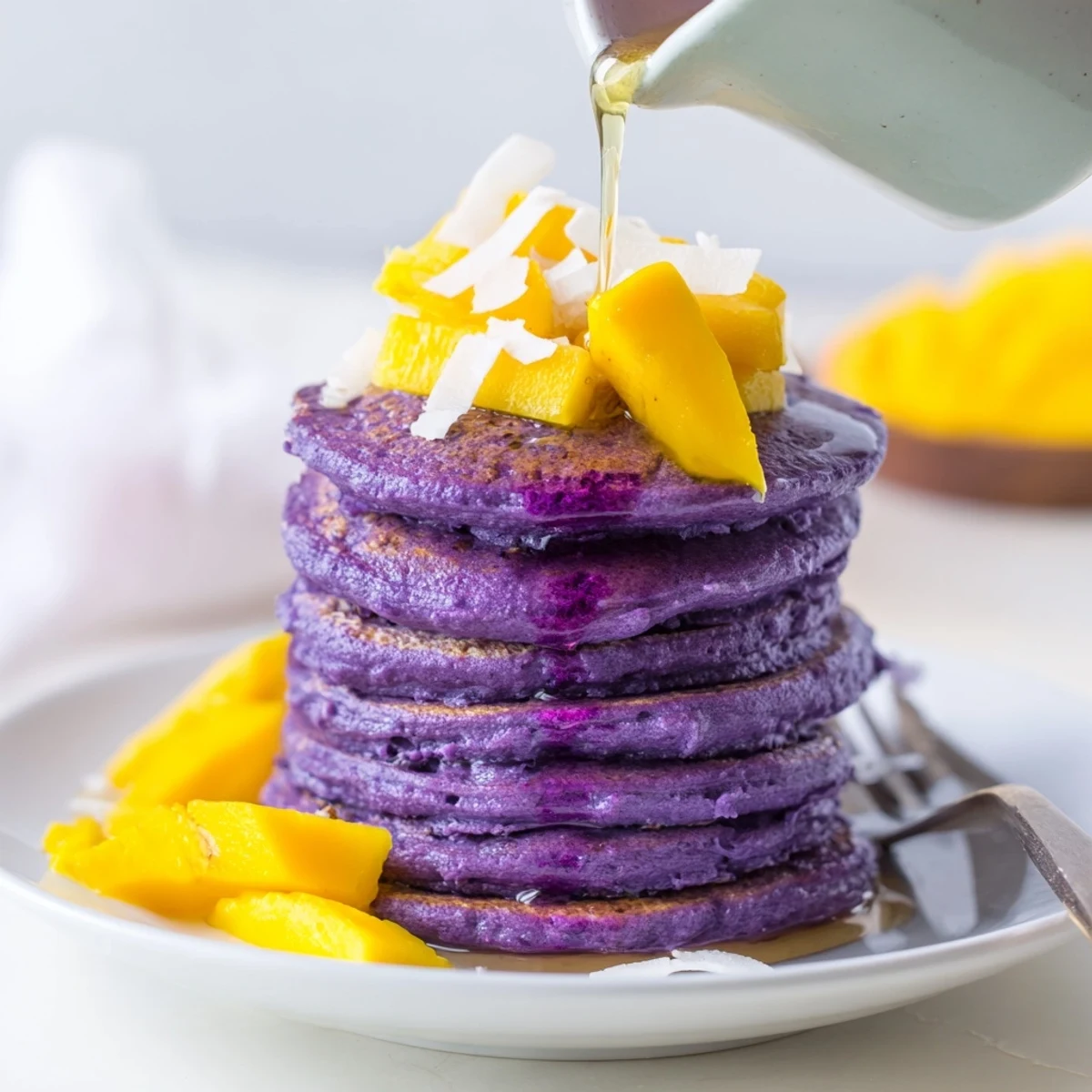
 These vibrant purple pancakes combine the nutty, vanilla-like sweetness of Filipino ube with the delightfully chewy texture of Japanese mochi. Made with sweet rice flour for that signature bounce, they cook up golden with a soft, elastic center that sets them apart from typical flapjacks.
The thick, sticky batter spreads into rounds on the griddle, bubbling as they cook through in just minutes. Best enjoyed warm fresh off the skillet, these gluten-friendly treats shine topped with sweetened condensed milk, fresh mango slices, toasted coconut flakes, or classic maple syrup for a breakfast that's both visually stunning and texturally exciting.
The first time I saw ube mochi pancakes at a weekend brunch spot, I actually laughed because they looked like someone had dyed regular pancakes purple as a prank. Then I took a bite and that chewy, bouncy texture hit me completely differently than I expected. I went home and experimented for weeks until I nailed the right ratio of sweet rice flour to regular flour. Now these purple stacks are the most requested thing at my breakfast table.
Last summer my cousin visited from Manila and practically teared up when she saw these pancakes on my griddle. She said the taste reminded her of morning merienda at her lolas house, except her grandmother made them over a charcoal stove. We ate an entire batch on my back porch while she told me stories about Philippine street food markets. Now every time I make them, I think about how food can transport someone across oceans in a single bite.
Ingredients
- Sweet rice flour (mochiko): This glutinous rice flour creates that signature chewy texture that regular pancake batter just cannot achieve
- All purpose flour: A small amount keeps the pancakes from being too dense and rubbery, though you can use all mochiko for extra chew
- Ube halaya (ube jam): Find this at Asian markets or Filipino grocery stores, it provides both the vibrant purple color and authentic flavor
- Whole milk: Creates a tender crumb, though coconut milk works beautifully if you want a richer tropical twist
- Eggs: Room temperature eggs incorporate more easily into the thick batter for consistent pancakes
- Melted butter: Butter adds a richness that oil cannot match, and it helps the pancakes develop golden edges
Instructions
- Whisk the dry ingredients:
- Combine sweet rice flour, all purpose flour, sugar, baking powder, and salt in a large bowl until evenly distributed
- Mix the wet components:
- Whisk milk, ube halaya, eggs, melted butter, and vanilla extract until the jam completely dissolves into a smooth purple mixture
- Combine batters carefully:
- Pour wet ingredients into dry ingredients and fold until just combined, leaving some small lumps for the tenderest texture
- Heat your pan properly:
- Warm a nonstick skillet over medium low heat and add a small pat of butter, watching until it foams slightly
- Cook with patience:
- Scoop batter in rounds and spread gently, waiting for bubbles to form and edges to set before flipping to golden perfection
 Save to Pinterest
 My daughter turned her nose up at purple food until I told her ube was like vanilla's adventurous cousin from a tropical island. Now she requests these for her birthday breakfast every year and has convinced half her kindergarten class that purple pancakes are magic. The best part is watching skeptics take that first tentative bite and immediately ask for seconds.
Getting the Perfect Purple Color
Natural ube halaya can vary in intensity from pale lavender to deep violet depending on the brand and harvest. I have learned that adding half a teaspoon of ube extract guarantees that Instagram worthy purple without affecting the flavor balance. Some brands of jam are sweeter than others, so taste your batter before adjusting the sugar.
Mastering Mochi Texture
The science behind these pancakes is that sweet rice flour lacks gluten, which creates that signature chew instead of a fluffy crumb. Overmixing develops what little structure exists and makes them tough, while undermixing leaves flour pockets in the final product. I count to fifteen while folding the batter and stop immediately after the last streak of flour disappears.
Serving Suggestions That Work
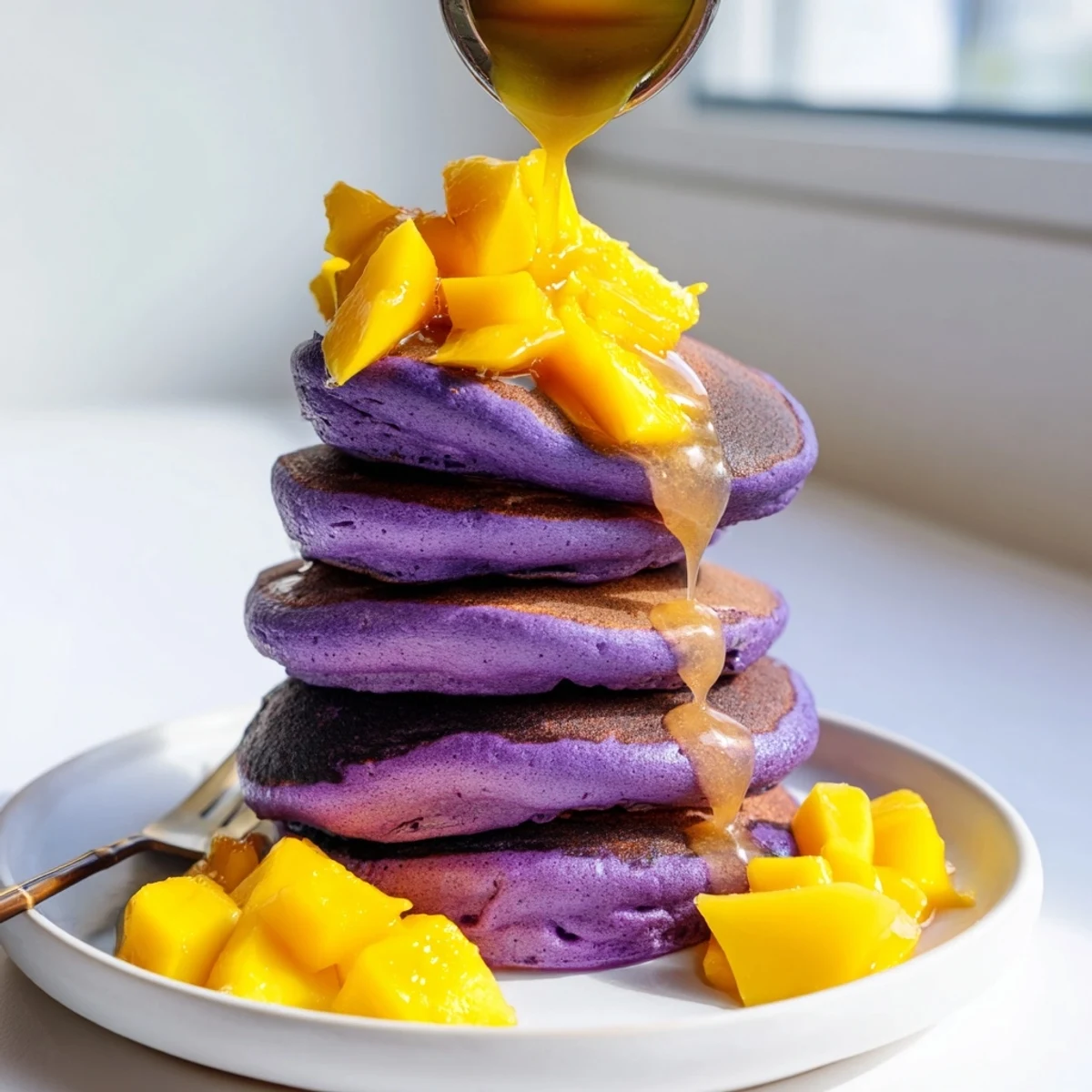
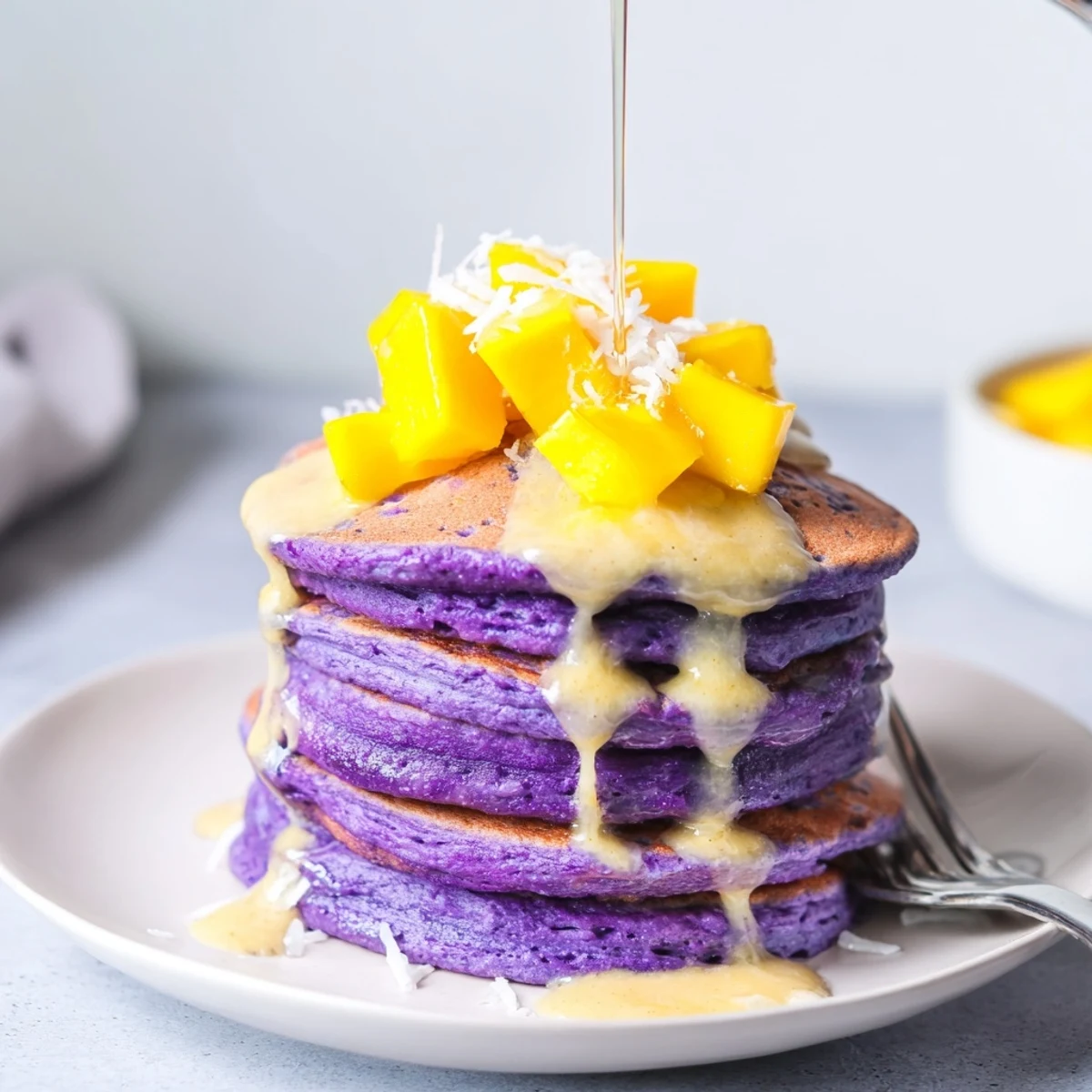
While maple syrup is always a reliable choice, these pancakes pair exceptionally well with flavors that complement ubes natural sweetness. Sweetened condensed milk adds a creamy element that feels authentic to Filipino dessert traditions. Fresh mango slices cut through the richness and toasted coconut flakes bring a pleasant crunch contrast.
- A light dusting of powdered sugar makes for a simple elegant finish
- Macadamia nuts add buttery crunch that plays beautifully with the chewy texture
- Coconut whipped cream transforms this into a dessert worthy brunch centerpiece
 Save to Pinterest
 There is something joyful about starting your day with food that looks as vibrant as it tastes delicious. These ube mochi pancakes have become my go to for bringing people together around the breakfast table.
Recipe FAQs
- → What makes these pancakes chewy?
-
Sweet rice flour (mochiko) creates the signature chewy texture. Unlike wheat flour, it produces a soft, elastic bounce similar to traditional Japanese mochi.
- → Where can I find ube halaya?
-
Ube halaya (ube jam) is available at Asian grocery stores, Filipino markets, or online retailers. Look in the international aisle or frozen section.
- → Can I make these entirely gluten-free?
-
Yes. Simply substitute the all-purpose flour with additional sweet rice flour. The texture remains perfectly chewy and delicious.
- → Why is my batter so thick?
-
The thick, slightly sticky batter is normal due to the sweet rice flour. Gently spread each portion with the back of your spoon or ladle into rounds.
- → How should I store leftovers?
-
Refrigerate in an airtight container for up to 2 days. Reheat in a toaster or warm skillet to restore the chewy texture.
- → What toppings work best?
-
Sweetened condensed milk, fresh mango slices, toasted coconut flakes, maple syrup, or berries complement the nutty ube flavor beautifully.