
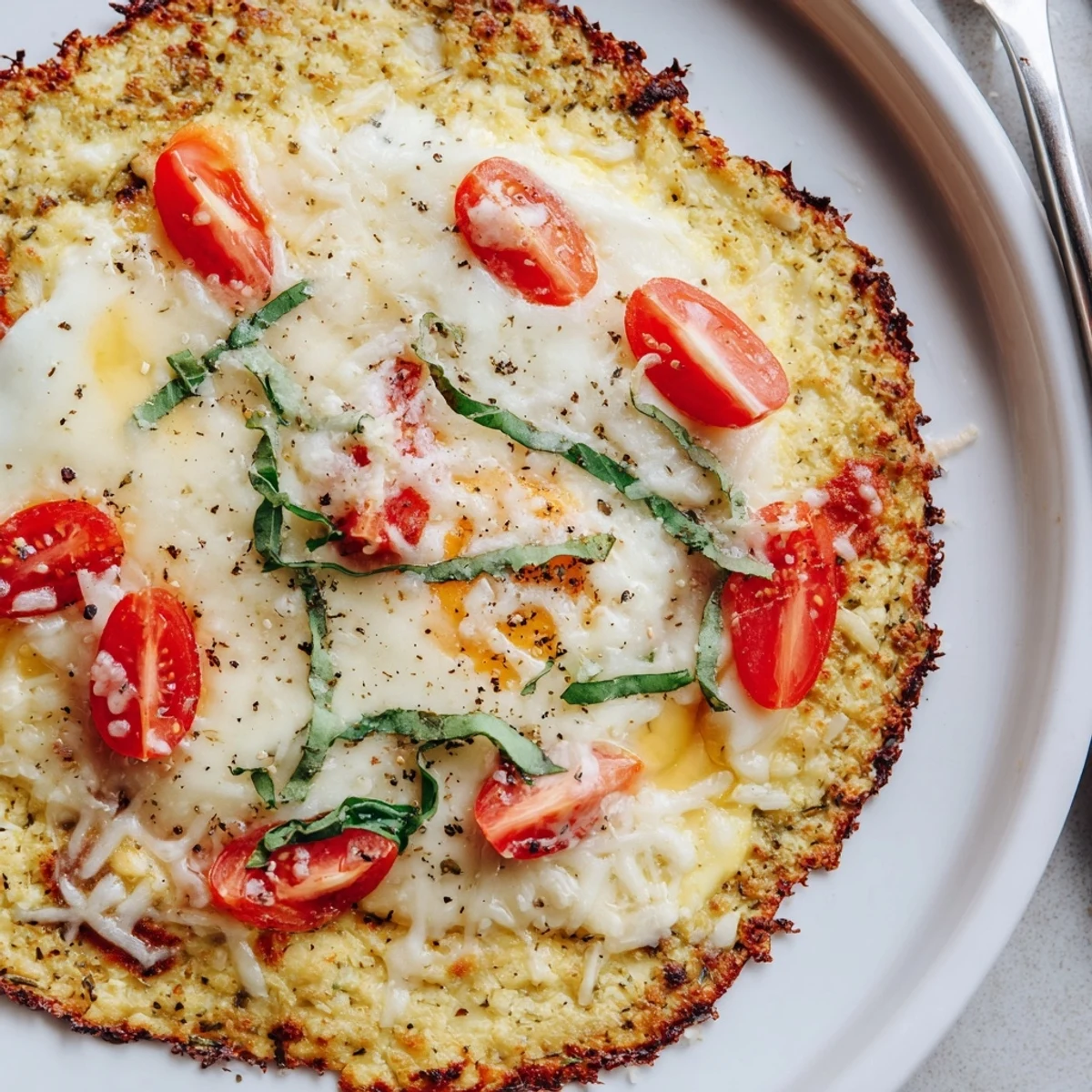
 Save to Pinterest
 This stone-baked cauliflower pizza delivers a crisp, low-carb crust: pulse cauliflower to a rice texture, squeeze out all moisture, mix with eggs and cheeses, shape thin and bake on a preheated pizza stone at 230°C (450°F) until golden. Top with tomato sauce and shredded mozzarella, then return to the stone until cheese is melted and bubbly.
Par-bake the crust 12–15 minutes, then 8–10 minutes after adding toppings; let rest 3–4 minutes before slicing. For extra crunch, broil 1–2 minutes. Use a food processor, clean towel for draining, and keep the crust about 0.5 cm thick to avoid sogginess. Garnish with fresh basil and sliced cherry tomatoes.
Cauliflower pizza wasn’t always on my mind, but one evening, when the air in my kitchen filled with the cozy scent of roasting veggies, inspiration struck. My attempt to recreate that bubbly, stone-baked slice I’d missed felt playful and oddly freeing—especially knowing the crust was secretly made of cauliflower. A stubborn piece of parchment paper stuck to my first try, but a simple trick saved dinner and added a good laugh. Now, even my cheese-loving friends ask for this version without batting an eye.
One rainy Thursday, I made this pizza for movie night while the sound of thunder rattled the windows and the oven’s warmth fogged up my glasses. Everyone gathered around the counter, each person eagerly picking out colorful toppings, and by the end, even the pizza skeptics were swiping the last crumbs. This pie makes the entire kitchen feel alive with chatter and cheesy anticipation. We still joke about how nobody missed the flour at all.
Ingredients
- Cauliflower: Go for a big, fresh head—grate or pulse it down extra finely and squeeze out more moisture than you think is necessary to avoid a soggy crust.
- Eggs: The glue that binds the crust together, and whisking them first helps for even mixing and texture.
- Mozzarella cheese (crust & topping): Opt for low-moisture, pre-shredded saves time, and make sure to spread it all the way to the edges.
- Parmesan cheese: Adds that salty, nutty layer to both the crust and the finish—freshly grated works wonders.
- Dried oregano: I always pinch it between my fingers to wake up its aroma before mixing in.
- Garlic powder: A little feels like a lot—mix thoroughly so every bite has that little zing.
- Salt & black pepper: Don’t skip them—season generously but taste the mixture before forming the crust so you get it just right.
- Low-sugar pizza sauce: The tang keeps this from tasting heavy and keeps it feeling light—it’s worth searching out a no-sugar-added brand.
- Fresh basil leaves & cherry tomatoes: These are optional, but a handful of basil at the end smells like an Italian summer.
Instructions
- Preheat and prep the stone:
- Heat your oven to 230°C (450°F) with a pizza stone inside; it needs to be rip-roaring hot for that signature crust.
- Rice the cauliflower:
- Pile the florets into your food processor and pulse into tiny, rice-like bits—it gets loud, but keep going until it’s uniform.
- Squeeze out moisture:
- Wrap the cauliflower “rice” in a clean kitchen towel and twist like you’re wringing out a wet swimsuit; this step makes all the difference.
- Mix up the crust:
- Stir the squeezed cauliflower with eggs, mozzarella, Parmesan, oregano, garlic powder, salt, and pepper until you’ve got a sticky, speckled batter.
- Shape on parchment:
- On a parchment-lined pizza peel or baking sheet, press the mixture into a 30 cm (12-inch) round about 0.5 cm thick; patch any holes that form.
- Stone-bake the crust:
- Slide the parchment onto your hot stone and bake 12–15 minutes; the crust should smell toasty and look golden.
- Add toppings:
- Carefully lift out the crust, spread pizza sauce edge-to-edge, and scatter both cheeses plus any extras you love.
- Bake again:
- Return to oven for 8–10 minutes so the cheese melts into glorious, bubbly perfection.
- Finish and serve:
- Let cool, then shower with fresh basil and cut into eager, gooey slices.
 Save to Pinterest
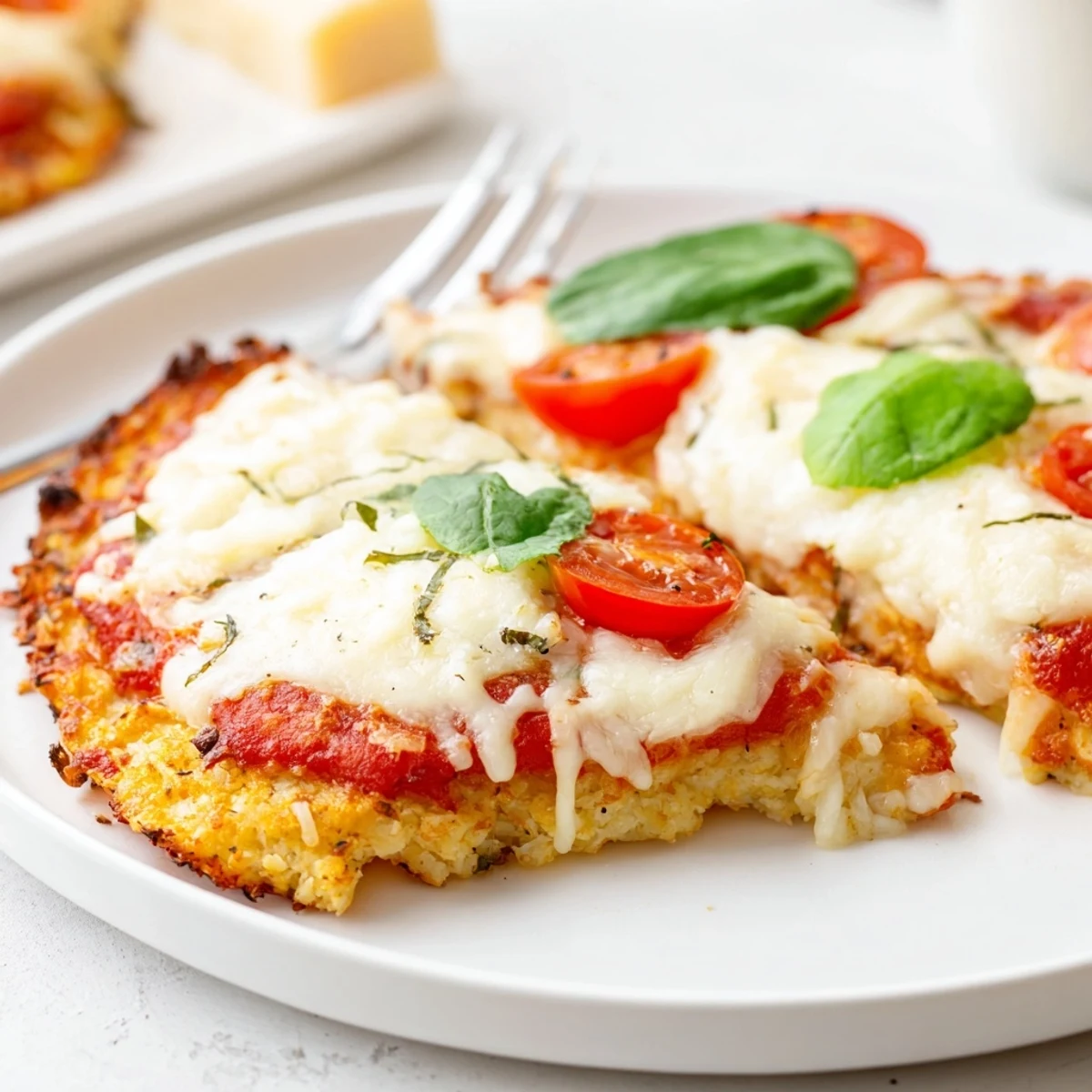
 Once, my friend Ted tried to sneak a slice while it was still piping hot, nearly singeing his fingers—ever since, we build in a laughing ritual of waiting just three minutes before slicing. That little moment of patience brings out the crispiness and lets the cheese settle, making every piece irresistible to share.
What Makes Stone Baking So Special
The first time I used a blazing hot pizza stone, I realized it’s the secret behind a crust that’s both crispy and sturdy enough to hold without flopping. There’s something almost theatrical about sliding your pizza onto that surface and hearing the faint sizzle as the crust hits. Besides, you get those golden-brown patches that feel straight out of a wood-fired oven experience.
How to Avoid a Soggy Cauliflower Crust
There was a time when my pizzas would come out heartbreakingly limp, and every fix I tried kept failing until I doubled down on the cauliflower squeeze—using all my strength and even enlisting a second towel. Since then, no more puddles or spoon-worthy results. That extra muscle pays off for a slice you can pick up confidently with one hand.
Choosing Toppings For Peak Flavor
It’s tempting to go wild with toppings, but keeping things simple highlights that golden, veggie-rich base. I find a little fresh basil and a scattering of cherry tomatoes can brighten the whole pie without weighing it down. And don’t be afraid to experiment, but keep ingredients dry for best results.
- Pat all toppings dry with a paper towel before adding to avoid excess moisture.
- For a fun variation, sprinkle on red chili flakes or a swirl of pesto just before serving.
- If you’re feeling bold, a pinch of smoked salt makes the cheese pop even more.
 Save to Pinterest
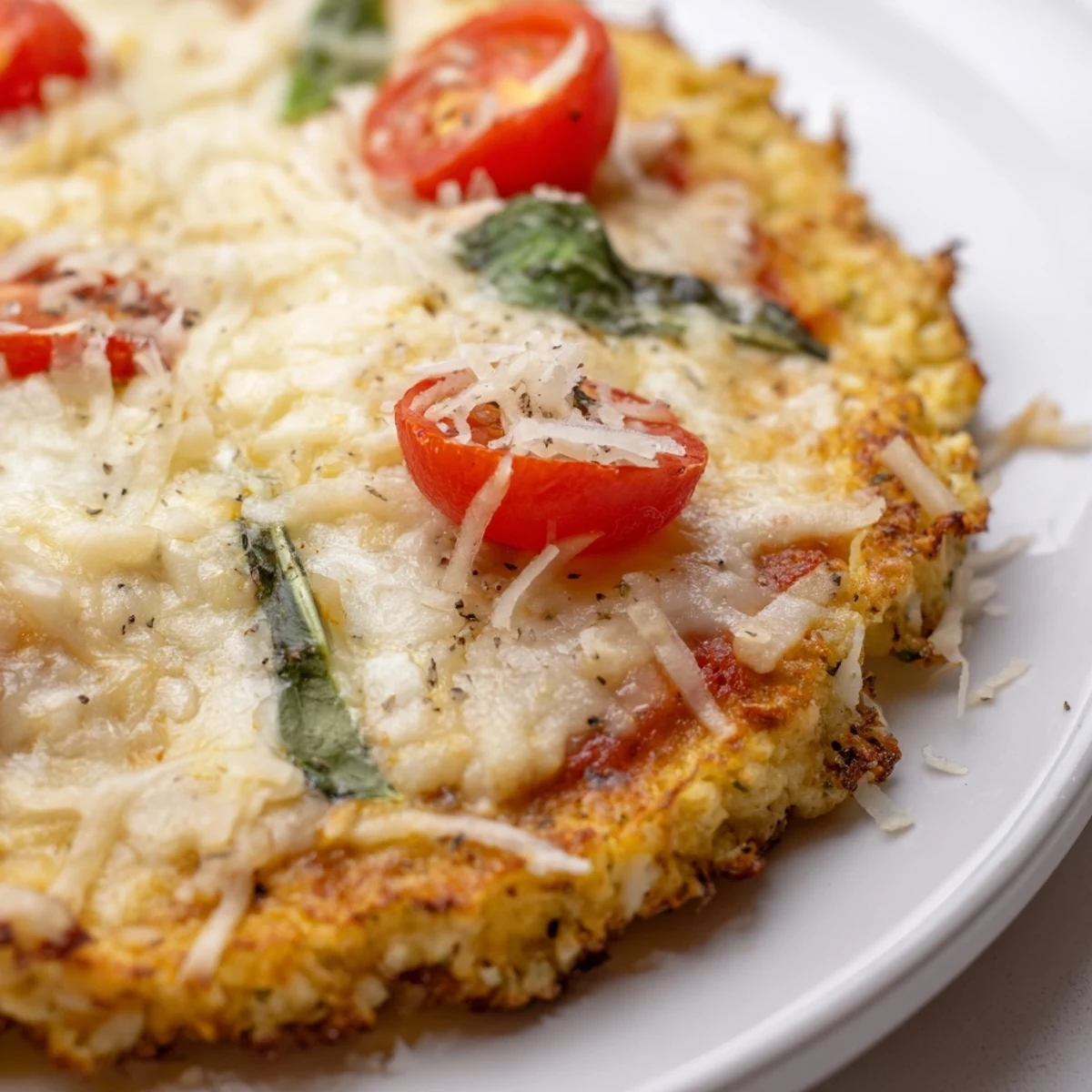
 This cauliflower pizza turns a simple night at home into something special—proof that wholesome, cheesy comfort doesn’t have to follow any old rules. Here’s to the next slice, and the new stories it brings!
Recipe FAQs
- → How do I prevent a soggy cauliflower crust?
-
Remove as much moisture as possible by pulsing the cauliflower finely and squeezing it tightly in a clean towel. Press the crust thin and bake on a hot pizza stone to evaporate extra water and achieve a crisp edge.
- → Can I prepare the crust in advance?
-
Yes. Par-bake the shaped crust, cool completely, then refrigerate for a day or freeze. When ready, top and finish on the stone until cheese bubbles. This preserves structure and speeds up final assembly.
- → Which cheeses work best for binding and melt?
-
Mozzarella provides stretch and meltiness while grated Parmesan adds savory binding power. The eggs help set the crust—use the combination for a sturdy, golden base.
- → Do I need a pizza stone and high heat?
-
A preheated pizza stone gives a crisper bottom; 230°C (450°F) mimics stone-baking conditions. If you lack a stone, use a hot baking sheet turned upside down to get better bottom heat.
- → How should I handle toppings to avoid a soggy result?
-
Use low-moisture sauce and moderate amounts of fresh toppings. Pre-cook watery ingredients (like spinach or sliced mushrooms) and pat dry. Add cheese sparingly to allow the crust to brown.
- → How can I get extra-crispy edges?
-
Keep the crust thin (about 0.5 cm), preheat the stone thoroughly, and finish under a brief broil for 1–2 minutes to brown the edges without overcooking the toppings.