
 Save to Pinterest
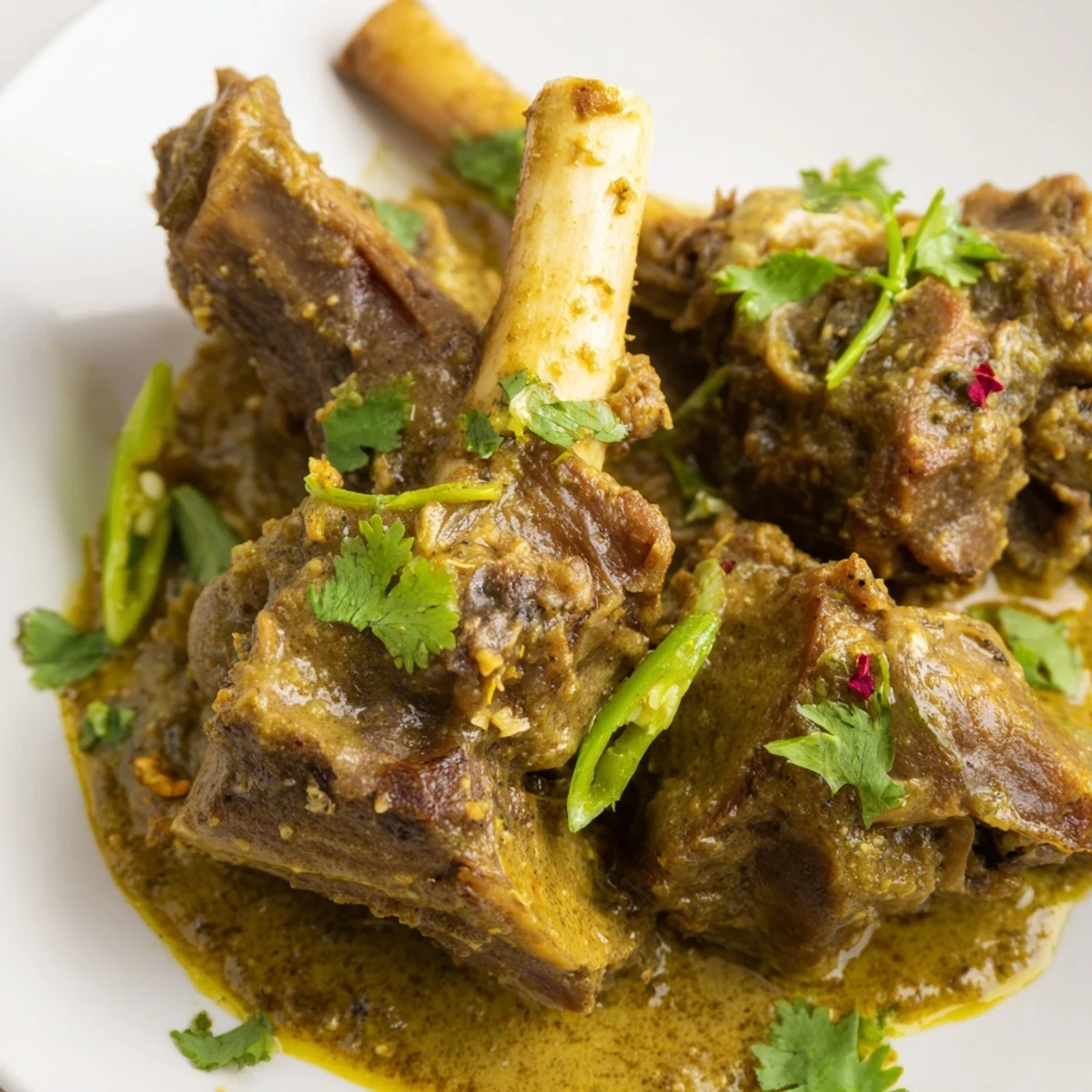
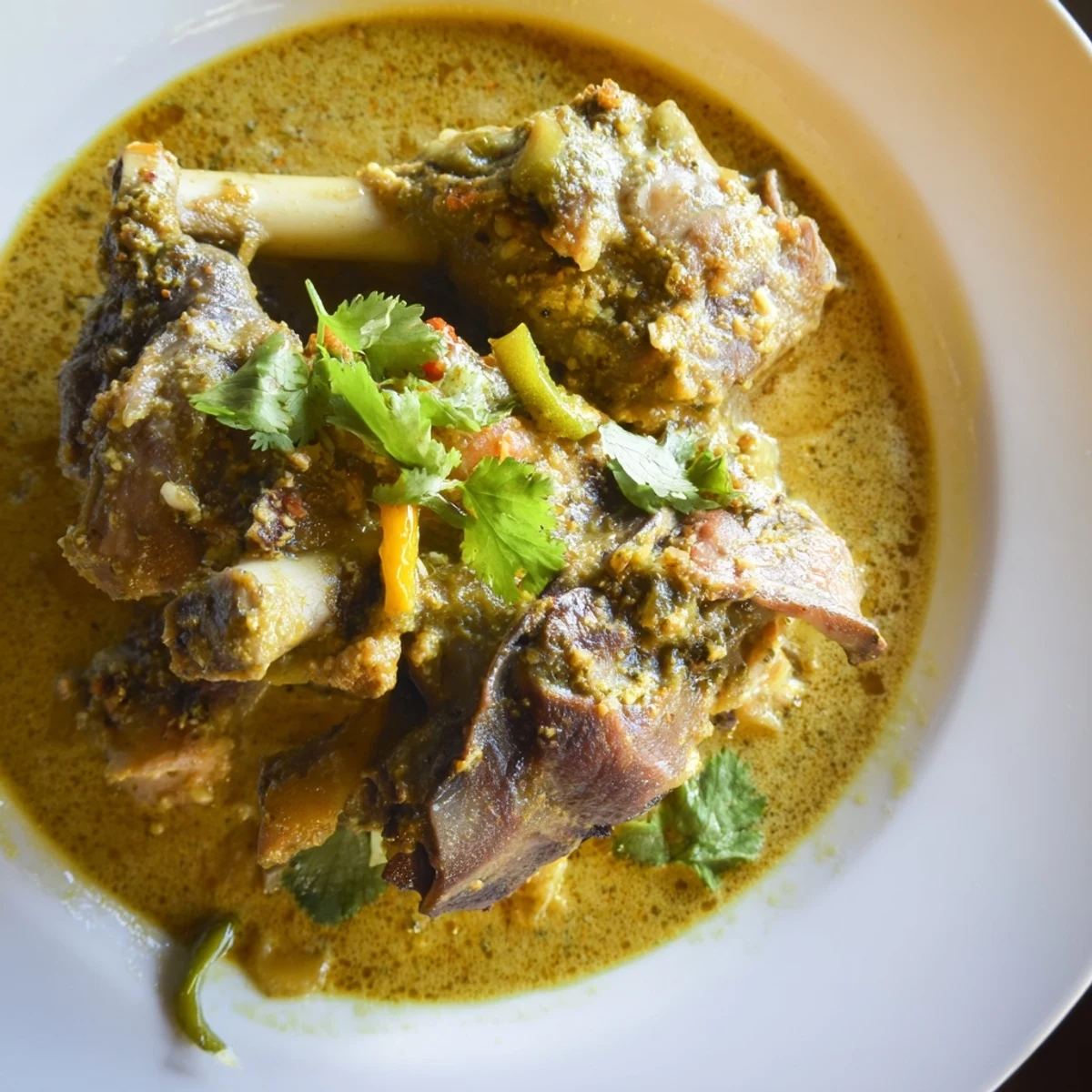
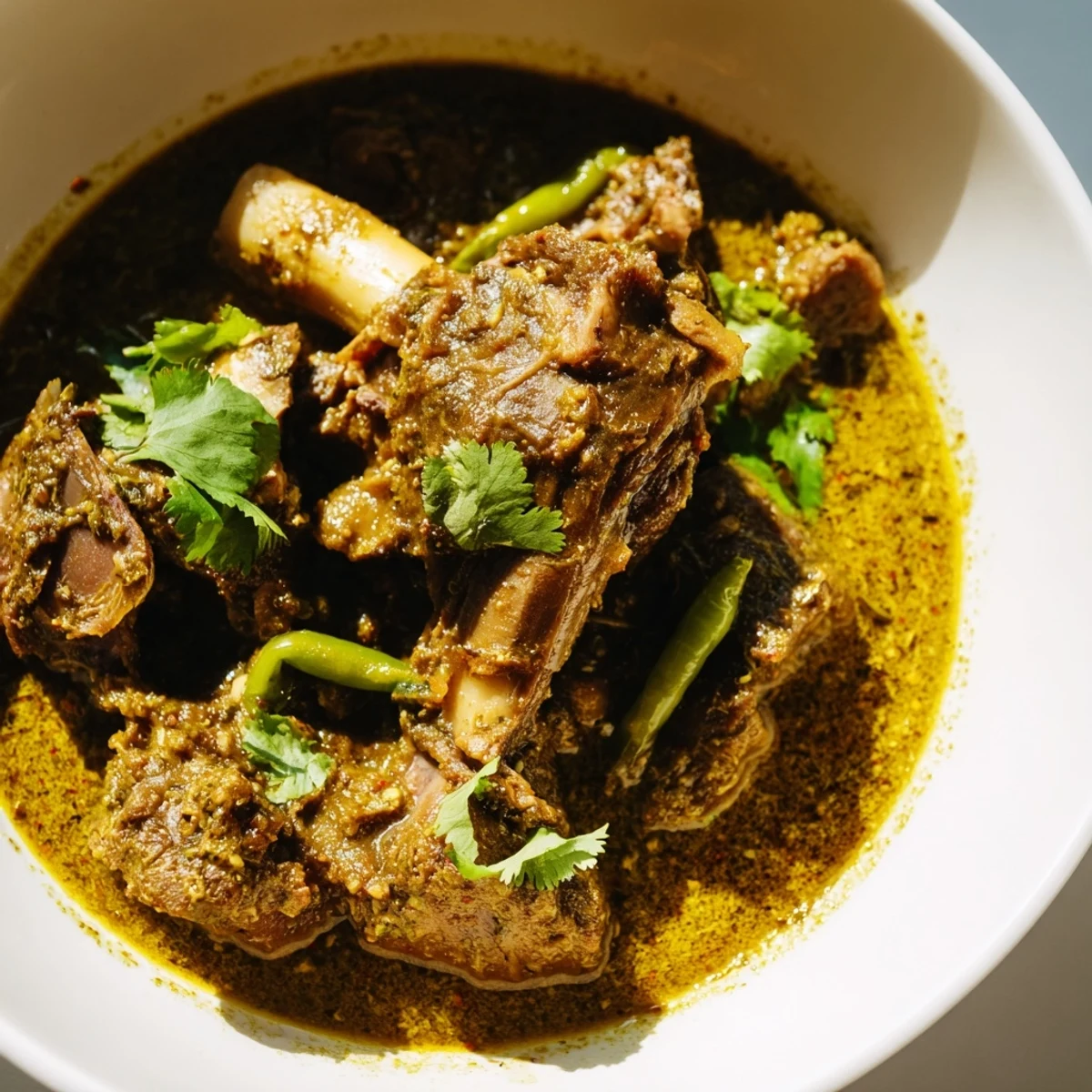
 This Sri Lankan lamb curry features succulent shanks that become meltingly tender after nearly three hours of gentle simmering. The aromatic base starts with mustard and fenugreek seeds, followed by golden onions, garlic, ginger, and fresh curry leaves. A warming blend of roasted spices—cinnamon, cloves, cumin, coriander, and turmeric—creates layers of flavor, while coconut milk and tamarind add creamy richness and subtle tang. The result is a deeply satisfying, restaurant-quality curry that tastes even better the next day.
The first time my Sri Lankan neighbor brought over a container of this curry, I literally stopped everything I was doing. The aroma hit me at the door—roasted spices, coconut, and something deeply savory that made my stomach growl instantly. She laughed when I asked for the recipe, saying her grandmother measured everything by handful and memory. Now I make it on rainy Sundays when I need something that feels like a warm embrace.
Last winter, I made this for a dinner party when unexpected snow kept everyone inside longer than planned. We ended up eating in stages, hovering around the pot with spoons, barely waiting for the rice to finish. Someone said it tasted like it had been cooking for three days, which I took as the highest compliment. That night turned into one of those gatherings where nobody wanted to leave.
Ingredients
- 4 lamb shanks: These tough cuts transform into something extraordinary with slow cooking—ask your butcher to trim them neatly
- 2 large onions: Slice them thin and patient theyre the foundation that sweetens the whole pot
- 4 cloves garlic and thumb-sized ginger: Grated together they create that aromatic base essential to Sri Lankan cooking
- 2 green chilies: Leave them whole if you want gentle heat, sliced if you like it bold
- 2 sprigs curry leaves: Fresh makes all the difference here—they add a citrusy, earthy note you cant substitute
- 2 tbsp curry powder: Toast it briefly in a dry pan first to wake up the oils
- 1 tsp mustard seeds and fenugreek seeds: Listen for the pop—that means theyre releasing their essential oils
- 400 ml coconut milk: Full-fat is non-negotiable here—it carries all those spices
- 1 tbsp tamarind paste: This is the secret ingredient that adds just enough tang to cut through the richness
Instructions
- Wake up your spices:
- Heat oil in your heavy pot, then add mustard and fenugreek seeds until they start popping—this is the sound that makes neighbors knock on doors
- Build your flavor base:
- Add onions, garlic, ginger, chilies and curry leaves, sautéing until onions turn golden and your kitchen starts smelling incredible
- Bloom the spices:
- Stir in all your ground spices and cook for just one minute—youll see the oil separate slightly, meaning theyve released their essential oils
- Seal in the flavor:
- Brown the lamb shanks on all sides, taking your time to develop those caramelized bits that become depth in your sauce
- Let it all come together:
- Add tomatoes, coconut milk, stock and tamarind, then bring to a gentle bubble before lowering to the slowest simmer
- The long wait:
- Cover and let it cook for 2 to 2.5 hours, turning occasionally, until the lamb yields easily and the sauce has thickened into something luxurious
 Save to Pinterest
 This recipe has become my go-to when life feels overwhelming. Theres something meditative about the long simmer, the way the house gradually fills with comfort. Friends now text me randomly asking if Im making the curry, which I suppose is the best kind of reputation to have.
The Art of Slow Cooking
Ive learned that the difference between good and great curry is patience. That long simmer isnt just about tenderness—its about time doing what nothing else can. The collagen breaks down into silkiness, spices mellow from sharp to round, and individual ingredients surrender to become something greater together.
Building Your Spice Pantry
After years of grabbing whatever curry powder was on sale, I finally asked my neighbor what she used. She showed me how small-batch blends taste different, how toasting whole spices transforms them, and why keeping spices away from heat and light matters. Now I treat my spice collection with the respect good ingredients deserve.
Making It Your Own
The beauty of this dish is how it adapts to your taste and what you have on hand. Some days I want it hotter, some days milder. Sometimes I swap in beef short ribs when lamb feels too precious. The framework stays solid while the details flex around your mood.
- Try adding a handful of spinach or kale during the last 10 minutes for extra nutrition
- A squeeze of fresh lime right before serving brightens everything beautifully
- Making it ahead The flavors improve overnight, so dont hesitate to cook it a day before you need it
 Save to Pinterest
 Some recipes are just instructions, but this one feels like giving someone a piece of something real. I hope it brings as much warmth to your table as it has to mine.
Recipe FAQs
- → How long does it take for lamb shanks to become tender?
-
Lamb shanks typically require 2 to 2.5 hours of gentle simmering to become fork-tender. The slow cooking breaks down the connective tissue, resulting in meat that falls easily off the bone.
- → Can I make this curry in advance?
-
Absolutely. This curry develops even deeper flavors when made a day ahead. Let it cool completely, refrigerate, and gently reheat before serving. The fat will rise to the top—skim it off if preferred.
- → What can I serve with Sri Lankan lamb curry?
-
Steamed basmati rice, roti, or naan bread are classic choices. For an authentic touch, serve alongside coconut sambal, pickled onions, or a fresh cucumber salad to balance the rich, spiced sauce.
- → How can I adjust the heat level?
-
Reduce or omit the green chilies and chili powder for a milder version. For more heat, add extra fresh chilies or increase the chili powder. The spice blend itself provides warmth without overwhelming fire.
- → Can I use a slow cooker or pressure cooker?
-
Yes. In a slow cooker, cook on low for 6–8 hours. In a pressure cooker, cook for 45–50 minutes on high pressure. Finish by reducing the sauce on the stovetop if it's too thin.
- → What's the purpose of tamarind in this dish?
-
Tamarind adds a subtle tangy acidity that balances the richness of the coconut milk and the sweetness of the onions. It brightens the overall flavor profile, making each taste more complex and satisfying.