
 Save to Pinterest
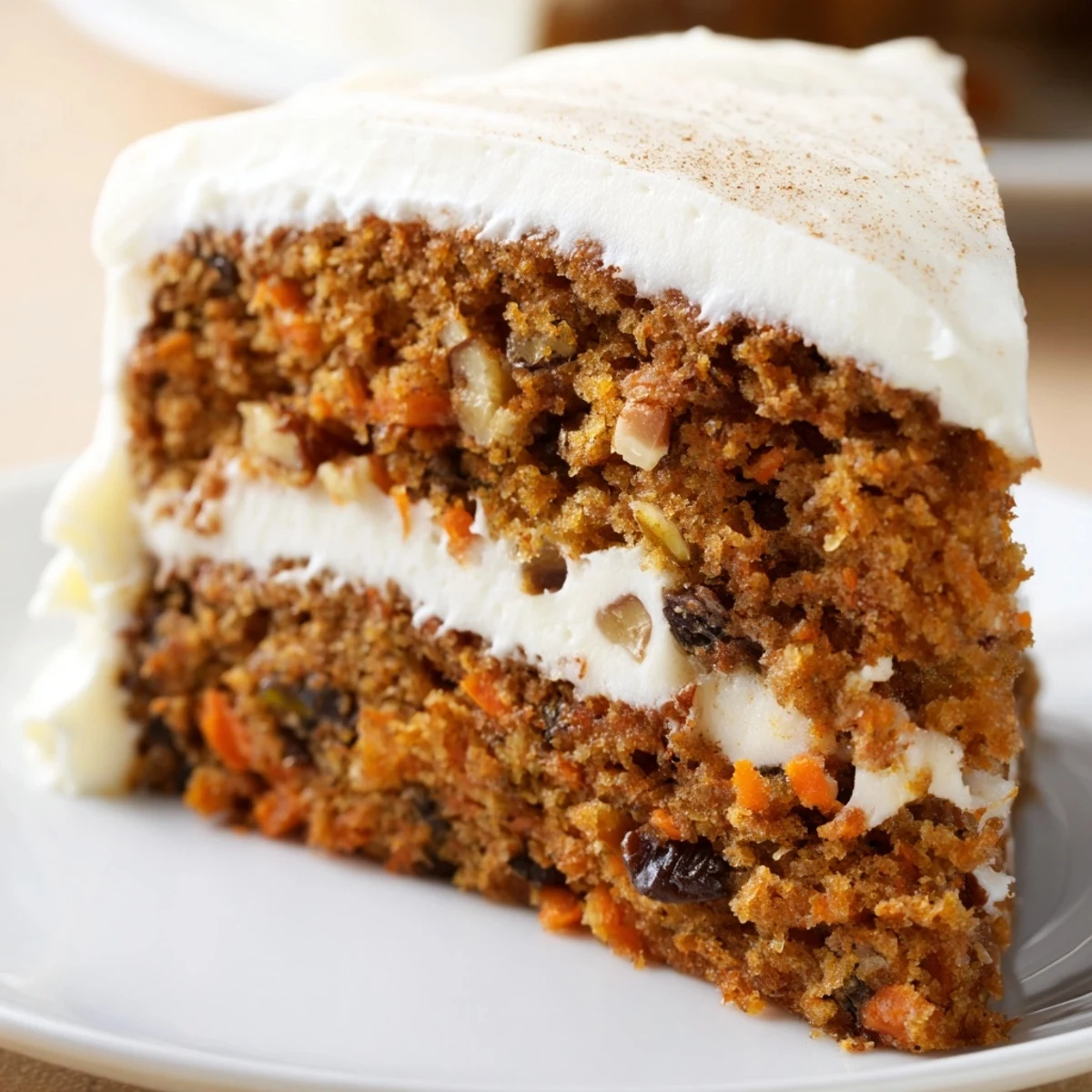
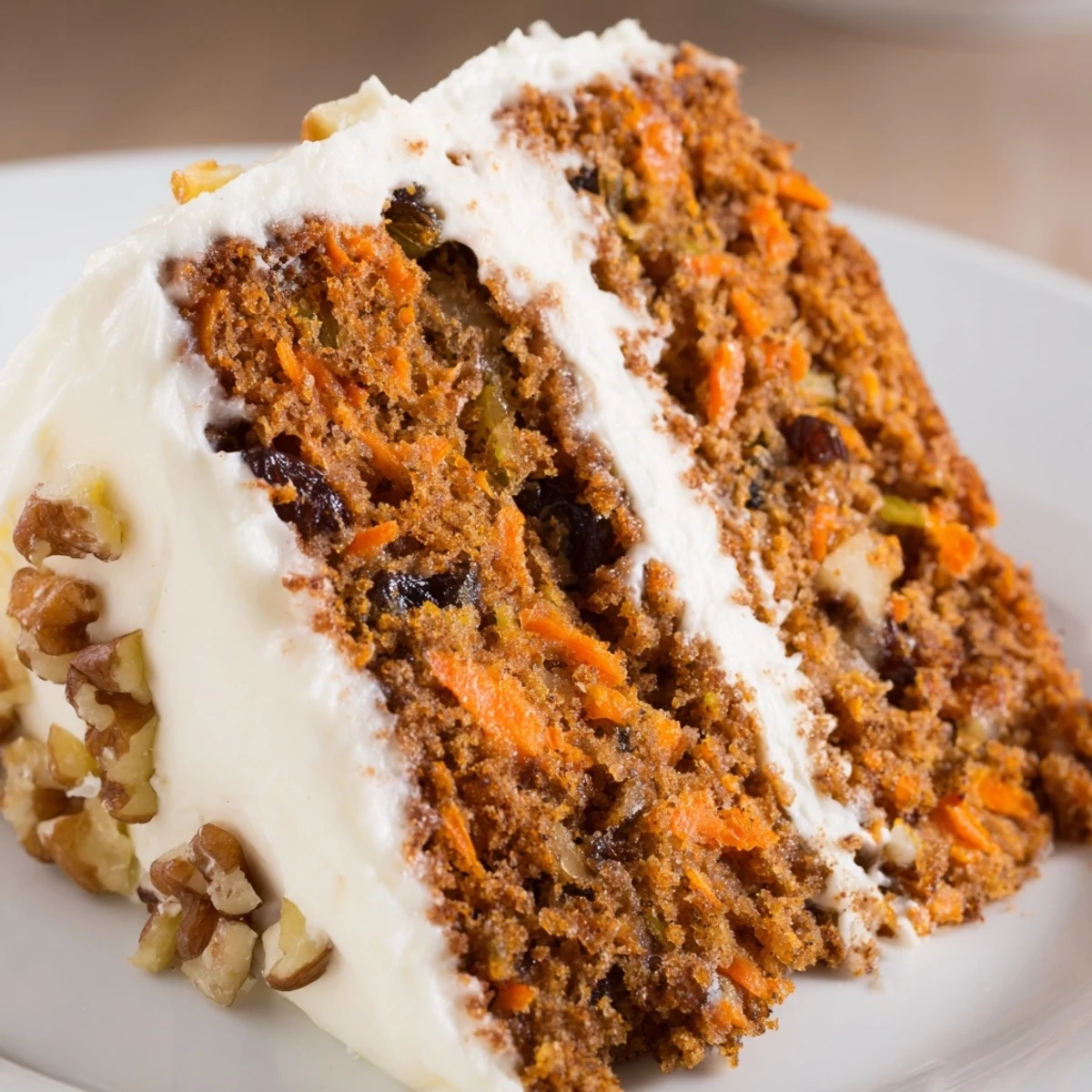
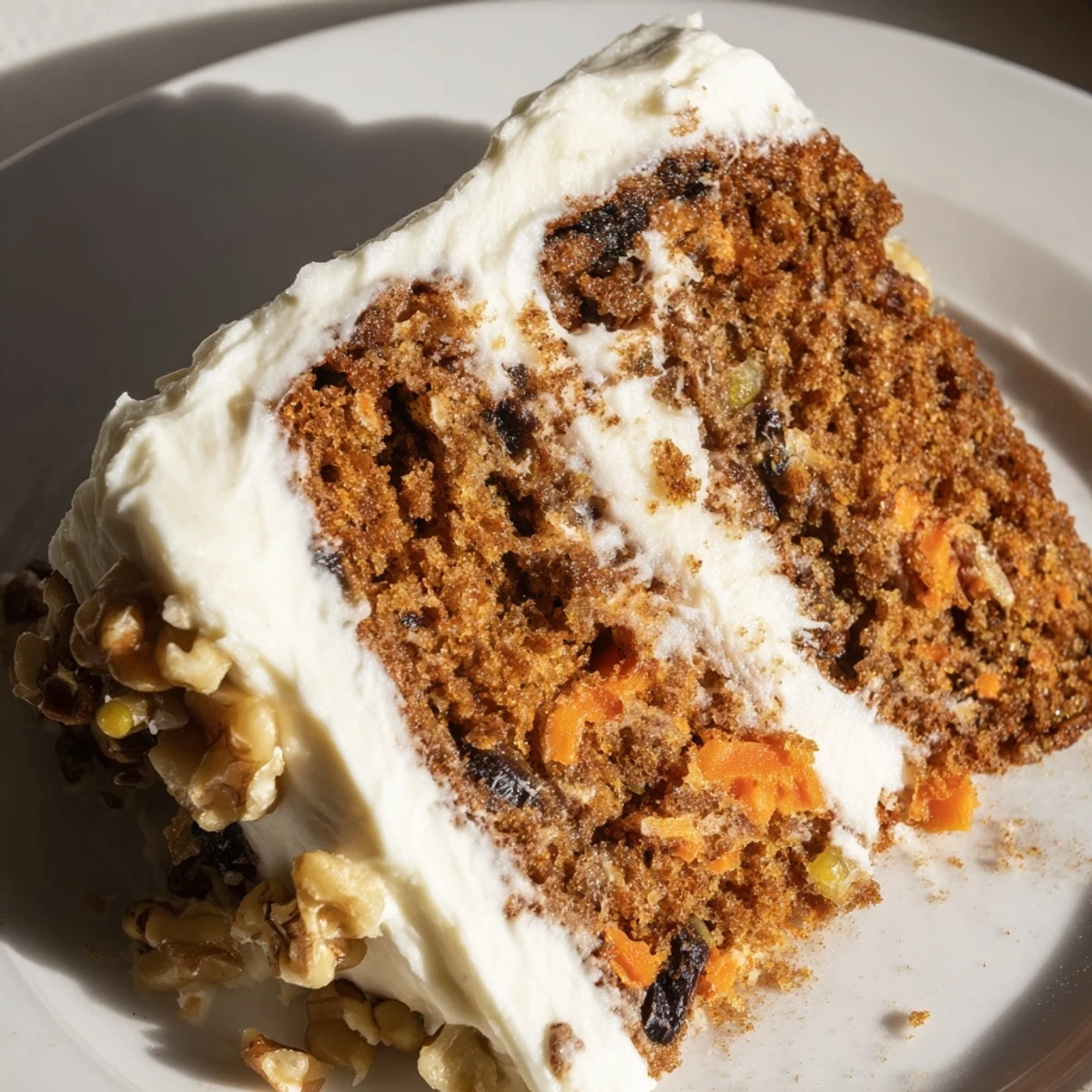
 This warmly spiced carrot cake boasts a moist texture enhanced by cinnamon, nutmeg, cloves, and ginger. Grated carrots add natural sweetness and moisture, while optional nuts and raisins give delightful texture contrasts. The cream cheese frosting is creamy and tangy, balancing the cake's warm flavors perfectly. Ideal for celebrations or afternoon tea, it offers a satisfying combination of spice and richness with every bite.
My grandmother had this way of making carrot cake that filled her entire kitchen with the kind of warmth you couldn't replicate from the oven alone—it was the cinnamon, nutmeg, and cloves all mingling together that did it. I watched her grate carrots by hand one afternoon, her fingers moving with this practiced confidence, and she told me the secret wasn't in perfection but in the oil, which kept everything impossibly moist. Years later, I finally understood what she meant when I made my first version and couldn't believe how tender it turned out. Now this cake is my go-to for celebrations, tea afternoons, and those moments when I need the kitchen to smell like home.
I made this for a neighbor's birthday once, and she sat on my porch with a slice and a cup of tea, just quiet for a moment before saying it tasted like every good thing she remembered. That's when I realized this cake is more than just dessert—it's the kind of thing that makes people slow down. It's become my confidence cake, the one I reach for when I want the outcome to feel special but not stressful.
Ingredients
- All-purpose flour (2 cups): The foundation of structure—make sure it's fresh and measured correctly by spooning and leveling, not scooping straight from the bag.
- Baking powder and baking soda (2 tsp and 1½ tsp): These two work together to give the cake lift and a tender crumb; don't skip or substitute one for the other.
- Ground cinnamon, nutmeg, cloves, and ginger (2 tsp, ½ tsp, ¼ tsp, ¼ tsp): Toast these in a dry pan first if you have time—it wakes up the flavors and makes everything taste more alive.
- Granulated and brown sugars (1 cup plus ½ cup): The brown sugar adds moisture and depth; it's worth keeping packed brown sugar on hand specifically for cakes.
- Vegetable oil (1 cup): This is the secret to moisture—it coats the flour differently than butter, creating that impossibly tender crumb.
- Eggs (4 large): Bring them to room temperature; cold eggs won't incorporate smoothly and the batter will look separated.
- Grated carrots (3 cups): Use fresh, medium carrots and grate them just before mixing—they release their sweetness and moisture quickly.
- Walnuts or pecans, raisins (½ cup each, optional): Add texture and chewiness; soak the raisins in warm water for 5 minutes first if they're dried out.
- Cream cheese and butter for frosting (8 oz and ½ cup): Both must be softened to room temperature or your frosting will be lumpy and impossible to spread.
- Powdered sugar (2½ cups): Sift it before adding—lumps make frosting grainy and unpleasant.
Instructions
- Set up your pans and preheat:
- Heat your oven to 350°F and grease two 8-inch round pans, then line the bottoms with parchment paper—this step matters because it's the difference between a cake that releases cleanly and one that sticks.
- Whisk the dry mixture together:
- In a medium bowl, whisk flour, baking powder, baking soda, salt, cinnamon, nutmeg, cloves, and ginger until everything is evenly distributed and there are no little pockets of baking soda hiding in the flour.
- Combine sugars and oil:
- In a large bowl, mix the granulated and brown sugars with the oil until it looks like wet sand—this is where the moisture magic starts. The sugar dissolves slightly into the oil and creates that tender crumb.
- Add eggs one at a time:
- Beat in each egg individually, making sure each one is fully incorporated before adding the next; this takes patience but creates a stable batter that rises evenly.
- Stir in vanilla:
- Add the vanilla extract and mix gently—you're building flavor here, so don't skip it even if you're tired.
- Fold in the dry ingredients:
- This is the crucial moment: fold the dry mixture into the wet mixture gently, stirring just until combined and no white streaks of flour remain; overmixing develops gluten and makes the cake tough.
- Add carrots, nuts, and raisins:
- Fold these in carefully, distributing them evenly so every slice gets the same amount of texture and sweetness.
- Pour and bake:
- Divide the batter evenly between the pans, smooth the tops, and bake for 35–40 minutes until a toothpick inserted in the center comes out clean—don't rely on timing alone, check it because every oven is different.
- Cool with patience:
- Let the cakes rest in the pans for 10 minutes so they set slightly, then turn them out onto a wire rack and let them cool completely; warm cake will melt your frosting and everything falls apart.
- Make the frosting:
- Beat softened cream cheese and butter together until smooth, then gradually add the sifted powdered sugar and vanilla, beating until light and fluffy—this takes about 3 minutes of beating and it makes all the difference.
- Assemble and decorate:
- Once cakes are completely cool, place one on a plate, spread a generous layer of frosting on top, set the second cake on it, then frost the top and sides with an offset spatula or knife; sprinkle with extra nuts or a dusting of cinnamon if you want.
 Save to Pinterest
 I remember my sister taking a bite of this cake at her engagement party and getting this look on her face like she'd just tasted something she'd been missing. That's when I knew this recipe wasn't just about technique or ingredients—it was about creating a moment. Now whenever someone asks for the recipe, I don't just hand them the measurements; I tell them the story.
Why the Spices Matter So Much
Carrot cake without spices is just sweet and dull, but with the right blend of cinnamon, nutmeg, cloves, and ginger, it becomes something that tastes like autumn and comfort combined. I used to underestimate the smaller spices—a pinch of cloves seemed insignificant until I left it out one time and the whole cake felt flat. Now I understand that each spice adds a different note: cinnamon brings warmth, nutmeg adds earthiness, cloves contribute a subtle depth, and ginger gives you that tiny kick that makes your mouth remember it. The magic is in the balance, not in any single spice overpowering the others.
The Oil-Based Approach
Most people expect butter in cakes, but oil is the secret weapon here because it distributes differently through the batter, coating the flour particles in a way that butter can't quite match. When you bake a cake with oil instead of butter, the crumb stays tender even days later—it doesn't dry out or get that stale, crumbly texture that oil-based cakes sometimes get. The downside is that oil cakes don't have quite the same richness as butter cakes, which is why the cream cheese frosting is so essential; it provides that luxurious flavor that makes the whole thing feel indulgent. I've tried making this with butter and it's never as good, which is why I stick with the original formula every time.
Frosting and Storage Tips
The frosting needs to be thick enough to hold its shape but soft enough to spread without tearing the delicate cake layers—this balance is easier to achieve when everything starts at room temperature. If your frosting seems too soft, chill it for 15 minutes before spreading; if it's too stiff, let it sit on the counter for a minute or two and give it another quick beat. Store the finished cake in the refrigerator because the frosting holds up better when cold, and it actually tastes better a day or two after you make it as the flavors meld together.
- This cake keeps well for up to 4 days in an airtight container in the fridge—it's perfect for extending the joy of baking.
- You can bake the layers ahead and freeze them wrapped in plastic wrap for up to a month, then assemble with frosting whenever you need it.
- If you want a single-layer sheet cake, bake it in a 9x13-inch pan for 35–40 minutes and you'll have enough frosting to cover the top generously.
 Save to Pinterest
 This cake has become my answer to so many occasions—it's the one I reach for when I want to feel like I've done something meaningful with my hands and time. Make it once and you'll understand why it never goes out of style.
Recipe FAQs
- → What spices are used in the carrot cake?
-
The cake includes ground cinnamon, nutmeg, cloves, and ginger, giving it a warm and aromatic flavor.
- → Can I omit the nuts and still get great texture?
-
Yes, nuts are optional and omitting them will still yield a moist, tender cake; raisins add a chewy contrast if included.
- → How should I store leftovers?
-
Store the cake covered in the refrigerator for up to four days to maintain freshness and prevent drying out.
- → What is the best way to ensure a moist cake?
-
Incorporating grated carrots and vegetable oil helps retain moisture, keeping the cake tender and soft.
- → Can this cake be baked as a sheet cake?
-
Yes, baking as a single 9x13-inch sheet cake is possible; adjust baking time accordingly to ensure even cooking.