
 Save to Pinterest
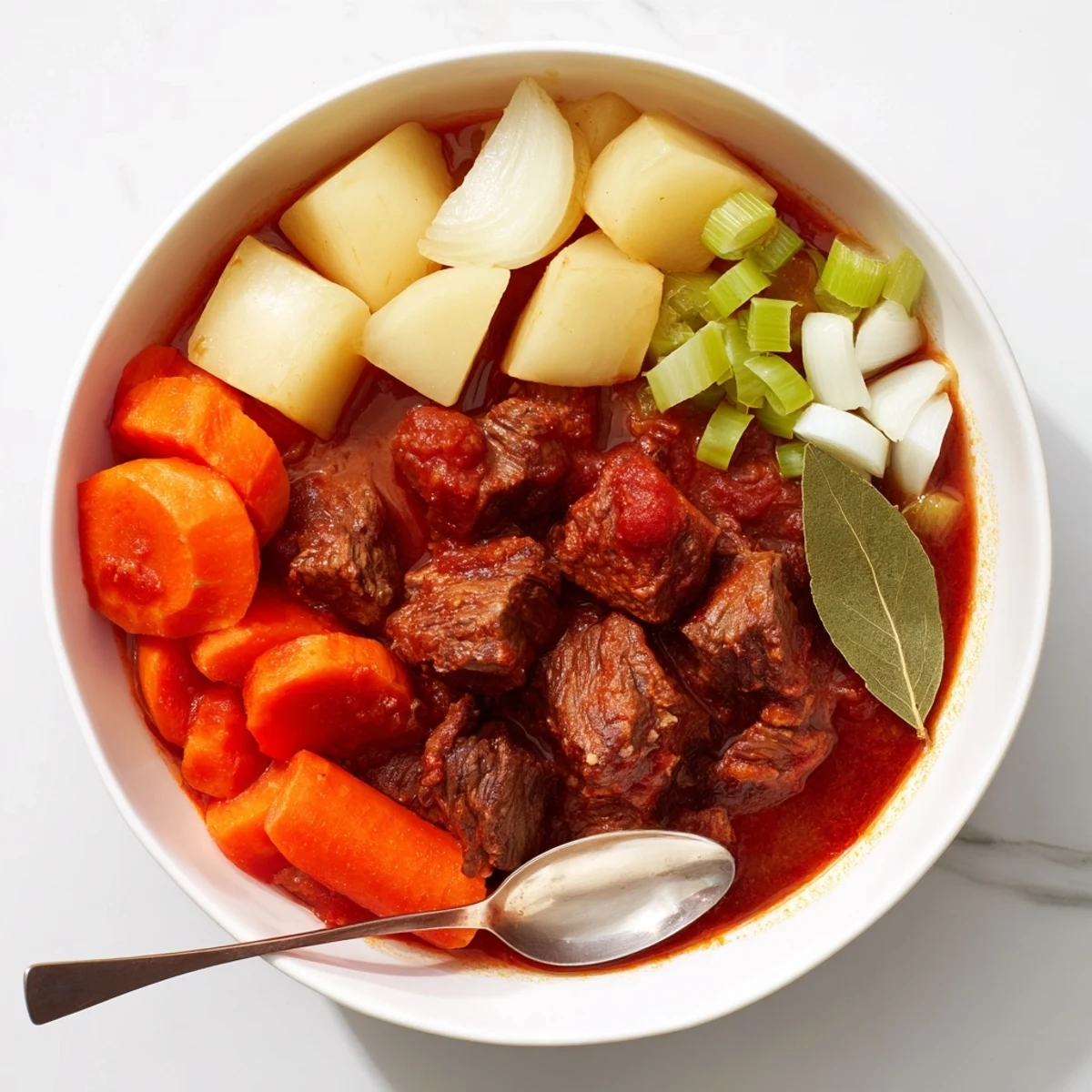
 This traditional Italian spezzatino transforms beef chuck into tender morsels through slow braising with red wine, aromatic vegetables, and herbs. The two-hour cooking time allows flavors to meld beautifully, creating a thick, velvety sauce that clings to each piece of meat. Perfect served over creamy polenta or with crusty bread to soak up every drop.
The rain was hammering against the kitchen window that November afternoon, and my grandmother stood at the stove humming along with the radio while a heavy pot burbled on the burner. She never measured anything, just tossed handfuls of carrot and celery into the pot with the confidence of someone who had made this spezzatino a thousand times. The smell that filled her tiny kitchen was something between a prayer and a promise. I burned my tongue trying to taste it before she said it was ready, and she laughed so hard she nearly dropped her wooden spoon.
Years later I tried recreating her spezzatino in my own apartment, calling her long distance to ask how much wine was enough. She said until it looks right, which was spectacularly unhelpful at the time but makes perfect sense now.
Ingredients
- 800 g beef chuck, cut into 3 cm cubes: Chuck is the cut you want because the marbling breaks down during the long braise and keeps every bite succulent.
- 2 medium onions, finely chopped: They melt into the sauce and create a sweet, savory base you cannot get any other way.
- 2 carrots, sliced: They add natural sweetness and a lovely soft texture that contrasts the richness of the beef.
- 2 celery stalks, sliced: Celery is the quiet hero here, lending an earthy depth that people notice most when you leave it out.
- 2 medium potatoes, peeled and cubed: They thicken the broth beautifully and soak up all those concentrated flavors.
- 2 garlic cloves, minced: Fresh garlic only, added late so it does not turn bitter.
- 250 ml dry red wine: Something you would actually drink, because you can taste the difference.
- 500 ml beef stock: Low sodium if possible so you can control the salt level yourself.
- 2 tbsp tomato paste: A small amount adds remarkable body and a deep, slow cooked color.
- 2 tbsp olive oil: Enough to get a proper sear on the beef without the pot drying out.
- 2 bay leaves: Do not skip these, they work quietly in the background and the stew tastes flat without them.
- 1 sprig fresh rosemary: Fresh is far better than dried here, just pull the sprig out before serving.
- 1 tsp dried thyme: A little goes a long way and bridges the gap between the meat and the wine.
- Salt and freshly ground black pepper: Season in layers throughout cooking, not just at the end.
Instructions
- Get that pot screaming hot:
- Pour the olive oil into a heavy bottomed pot or Dutch oven and set it over medium high heat until the oil shimmers. Pat the beef cubes dry with paper towels because wet meat steams instead of searing, then brown them in batches so each piece gets a deep, dark crust on all sides. Set the browned beef aside on a plate.
- Wake up the vegetables:
- Turn the heat down to medium and drop in the onions, carrots, and celery right into that gorgeous fond left by the beef. Stir and scrape every browned bit off the bottom because that is pure flavor you do not want to lose. Cook for about five minutes until the onions soften and turn translucent at the edges.
- Add the garlic and tomato paste:
- Stir in the minced garlic and tomato paste and let them cook together for two minutes. You will smell the garlic bloom and see the paste darken and caramelize slightly, which is exactly what you want before the liquid goes in.
- Pour in the wine and deglaze:
- Splash in the red wine and use your wooden spoon to scrape every last bit from the bottom of the pot. Let the wine bubble and reduce by roughly half, which takes about five minutes and concentrates all those wonderful flavors.
- Bring it all back together:
- Return the seared beef and any juices that pooled on the plate back into the pot. Add the potatoes, beef stock, bay leaves, rosemary sprig, thyme, and a generous pinch of salt and pepper. Stir everything gently so the liquid just covers the meat and vegetables.
- Let time do the work:
- Bring the pot to a gentle simmer, then cover it with a lid and turn the heat to low. Let it cook for two hours, lifting the lid to stir every now and then, until the beef yields to a fork and the sauce has thickened into something rich and glossy.
- Finish and taste:
- Fish out the bay leaves and the rosemary sprig before anyone finds them on their plate. Taste the sauce and adjust the salt and pepper because the flavors concentrate during cooking and often need a final nudge.
 Save to Pinterest
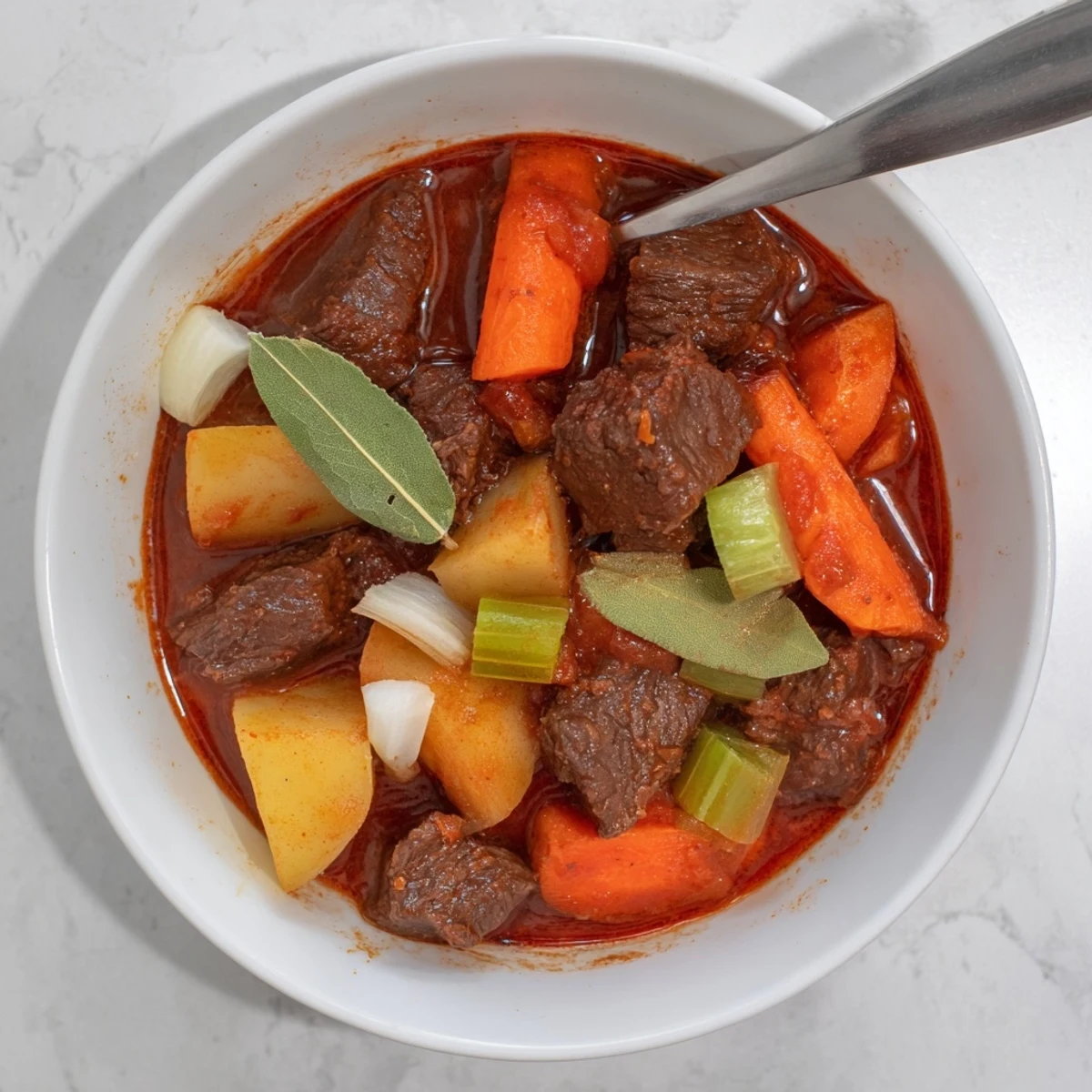
 One snowy evening I ladled this stew over soft polenta for friends who had been driving through a storm to reach our house. They sat at the table in damp coats and steamy glasses, eating in that satisfied silence that is the highest compliment a cook can receive.
Serving Ideas Worth Trying
Rustic bread is the classic companion, perfect for tearing and dunking straight into the broth, but a bowl of creamy polenta underneath turns this into something worthy of a dinner party. Mashed potatoes work too if that is what you have on hand, and honestly there is no wrong answer when the stew tastes this good.
Making It Ahead Changes Everything
If you have the discipline to not eat it immediately, let the stew cool completely and refrigerate it overnight. The flavors deepen and marry in a way that same day cooking simply cannot replicate, and the fat solidifies on top so you can scoop it off easily before reheating gently on the stove.
A Few Last Thoughts
This is the kind of recipe that teaches you to trust the process because halfway through cooking it may look like a messy, unappetizing pot of meat and vegetables, and then suddenly it comes together into something magnificent. Keep the heat low, keep the lid on, and let time handle the rest.
- A Dutch oven is ideal but any heavy pot with a tight fitting lid will do the job beautifully.
- Taste the wine before you cook with it, because if you would not sip it, do not simmer with it.
- This stew freezes well for up to three months, so always make the full batch even if you are cooking for two.
 Save to Pinterest
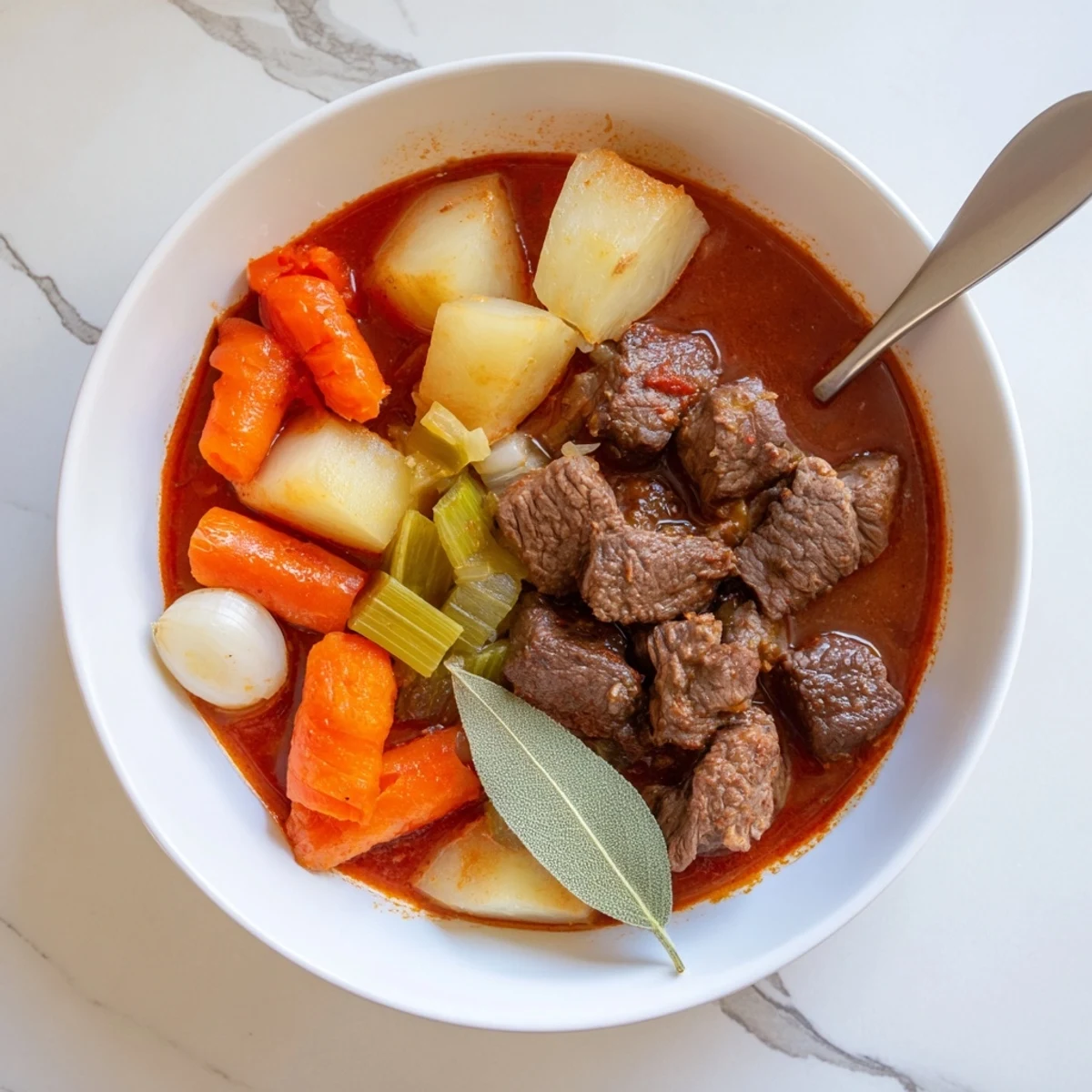
 Some recipes become part of your rotation because they are quick or convenient, and this one earns its place because it fills the house with warmth and gathers people around the table without asking much of you at all. Just a pot, some time, and the willingness to wait for something wonderful.
Recipe FAQs
- → What cut of beef works best for spezzatino?
-
Beef chuck is ideal for spezzatino because it becomes tender and flavorful during long, slow cooking. The marbling breaks down beautifully, creating succulent pieces in the rich sauce.
- → Can I make this ahead of time?
-
Yes, spezzatino actually improves when made a day ahead. The flavors deepen and the sauce thickens as it rests. Reheat gently on the stovetop, adding a splash of broth if needed.
- → What wine should I use?
-
A dry Italian red wine like Chianti, Barbera, or Sangiovese works beautifully. The wine reduces during cooking, concentrating its flavors and creating the dish's characteristic depth.
- → How do I know when it's done?
-
The beef is ready when it falls apart easily with a fork and the sauce has thickened naturally. This typically takes about 2 hours of gentle simmering.
- → What should I serve with spezzatino?
-
Rustic bread, creamy polenta, or mashed potatoes are traditional accompaniments. For a lighter option, serve over steamed rice or with roasted vegetables.