
 Save to Pinterest
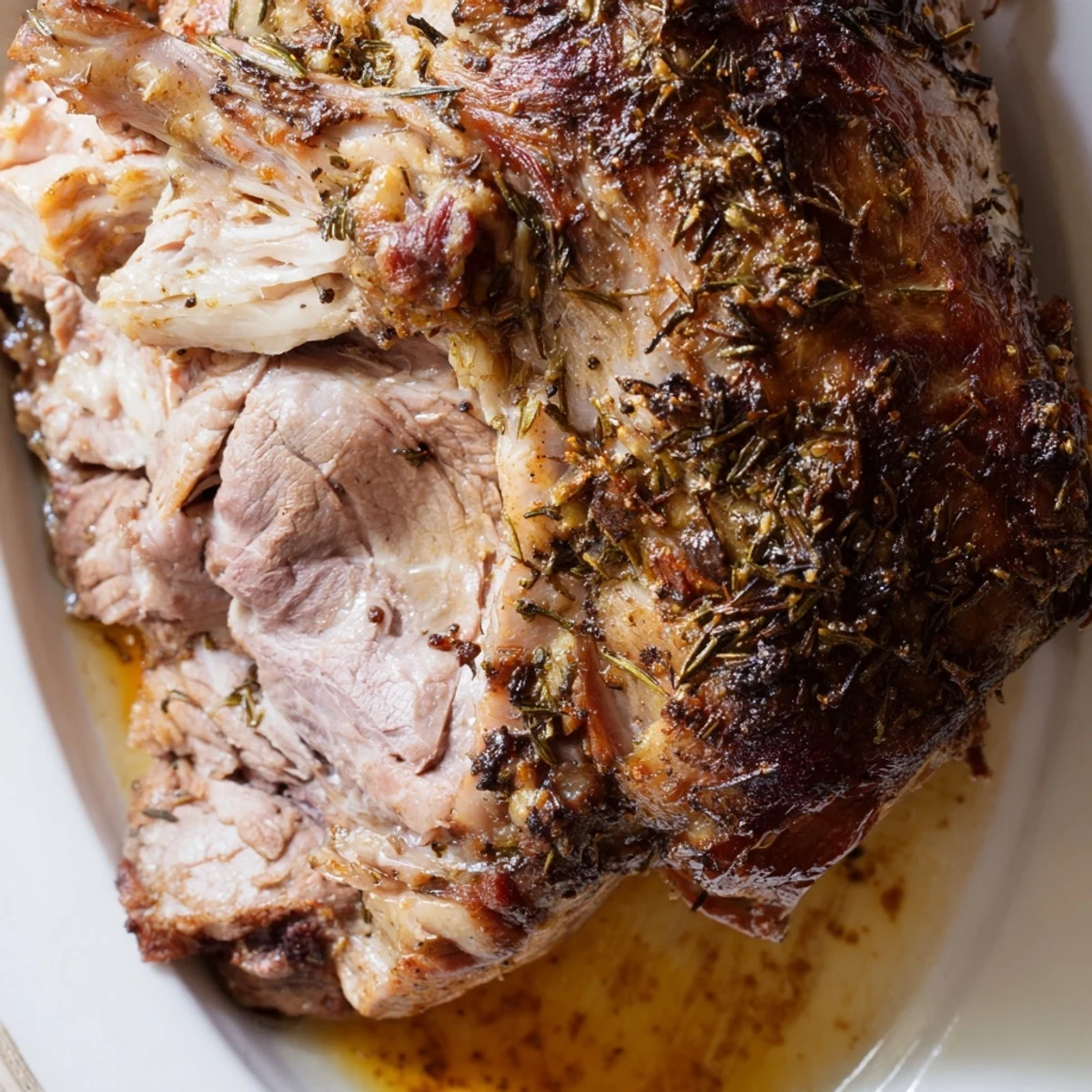
 This slow roasted lamb shoulder brings out rich, succulent flavors through a long, gentle cooking process. Infused with fresh rosemary, thyme, oregano, and lemon zest, the lamb becomes incredibly tender, absorbing aromatic herb notes. Searing first locks in juiciness before roasting atop a bed of onions, carrots, and celery bathed in white wine and stock. The final result is a hearty, flavorful dish with a golden crust, ideal for a warming centerpiece.
Preparation involves carefully inserting garlic into incisions, seasoning with herbs and spices, then roasting low and slow for several hours. Resting the meat before carving ensures maximum juiciness. This method enhances natural flavors while maintaining a moist texture, perfect for Mediterranean-inspired meals.
There's something about a Sunday afternoon that makes you want to slow down, and for me, that's always meant a lamb shoulder turning golden in the oven while the house fills with the kind of smell that stops you mid-conversation. I discovered this recipe years ago when a friend from Athens showed me how her grandmother prepared lamb for family gatherings—not rushed, not fussy, just honest cooking that lets the meat speak for itself. The herbs and garlic nestled into the meat create this incredible depth of flavor that somehow tastes both simple and luxurious at once.
I made this for my partner's birthday last spring, and I remember opening the oven door halfway through and just pausing—the steam rising up, the vegetables already caramelizing at the edges, and thinking about how food like this is really just an excuse to gather people around a table. When we finally sat down to eat and everyone went quiet, just focused on the lamb and the way it fell apart with barely any effort, I knew this was one of those recipes worth keeping close.
Ingredients
- Lamb shoulder (about 2.5 kg/5.5 lbs), bone-in: The bone adds so much richness to the roasting liquid, and the fat marbling through the meat keeps everything moist as it cooks low and slow.
- Garlic cloves, peeled and halved (6 total): Tucking these into slits infuses every bite with gentle garlic flavor that mellows beautifully over four hours instead of overpowering.
- Fresh rosemary, finely chopped (2 tbsp): This is the backbone of the herb blend—it's woody and assertive, perfect for lamb's rich flavor.
- Fresh thyme leaves (2 tbsp): Thyme adds a subtle earthiness that makes people ask what the secret ingredient is.
- Fresh oregano, chopped (1 tbsp, or 1 tsp dried): Fresh oregano brings a peppery brightness that cuts through the richness beautifully.
- Lemon zest (from 1 lemon): Just the zest, not the juice—it adds citrus notes without making anything acidic or tight.
- Onions, sliced (2 large): These become almost caramel-like at the bottom of the pan and help create the base for your pan juices.
- Carrots, peeled and cut into large pieces (3): Cut them generous so they don't disappear into mush, and they'll add natural sweetness to everything.
- Celery stalks, cut into large pieces (2): Often overlooked, celery provides a savory backbone that rounds out the whole dish.
- Sea salt (2 tsp) and black pepper (1 tsp): Season generously—slow cooking requires bold seasoning or everything tastes muted.
- Smoked paprika (1 tsp, optional): This deepens the color and adds a whisper of smoke that feels very Mediterranean.
- Dry white wine (250 ml/1 cup): The acidity brightens everything; it's not about getting drunk, it's about the flavor it leaves behind.
- Chicken or vegetable stock (250 ml/1 cup): This keeps the meat steaming gently instead of drying out, and becomes the pan sauce you'll want to spoon over everything.
- Olive oil (2 tbsp): Use something you like the taste of—this is a short list of ingredients, so quality matters here.
Instructions
- Heat your oven and prepare the meat:
- Set the oven to 160°C (320°F). Pat the lamb completely dry with paper towels—this step matters because moisture prevents browning, and you want that golden crust.
- Create pockets for the garlic:
- Using a sharp knife, make small slits all over the meat and push a garlic half into each one, letting them nestle in deep. This distributes the garlic flavor throughout instead of just on the surface.
- Build your herb crust:
- Mix rosemary, thyme, oregano, lemon zest, salt, pepper, and paprika in a small bowl, then press this mixture all over the lamb, working it into the slits. Don't be shy—you want good coverage on every side.
- Sear until golden brown:
- Heat olive oil in a large roasting pan over medium-high heat and sear the lamb on all sides until deeply golden, about 5-7 minutes total. You'll hear it sizzle and smell that meat-browning aroma—that's the Maillard reaction doing all the heavy lifting.
- Build your vegetable bed:
- Scatter onions, carrots, and celery across the bottom of the pan in a loose layer. These will cushion the lamb and create something delicious underneath.
- Add liquid carefully:
- Pour wine and stock around the lamb (not directly over it, which would rinse off your herb coating). You want the vegetables steaming up flavor, not the lamb swimming.
- Cover and slow roast:
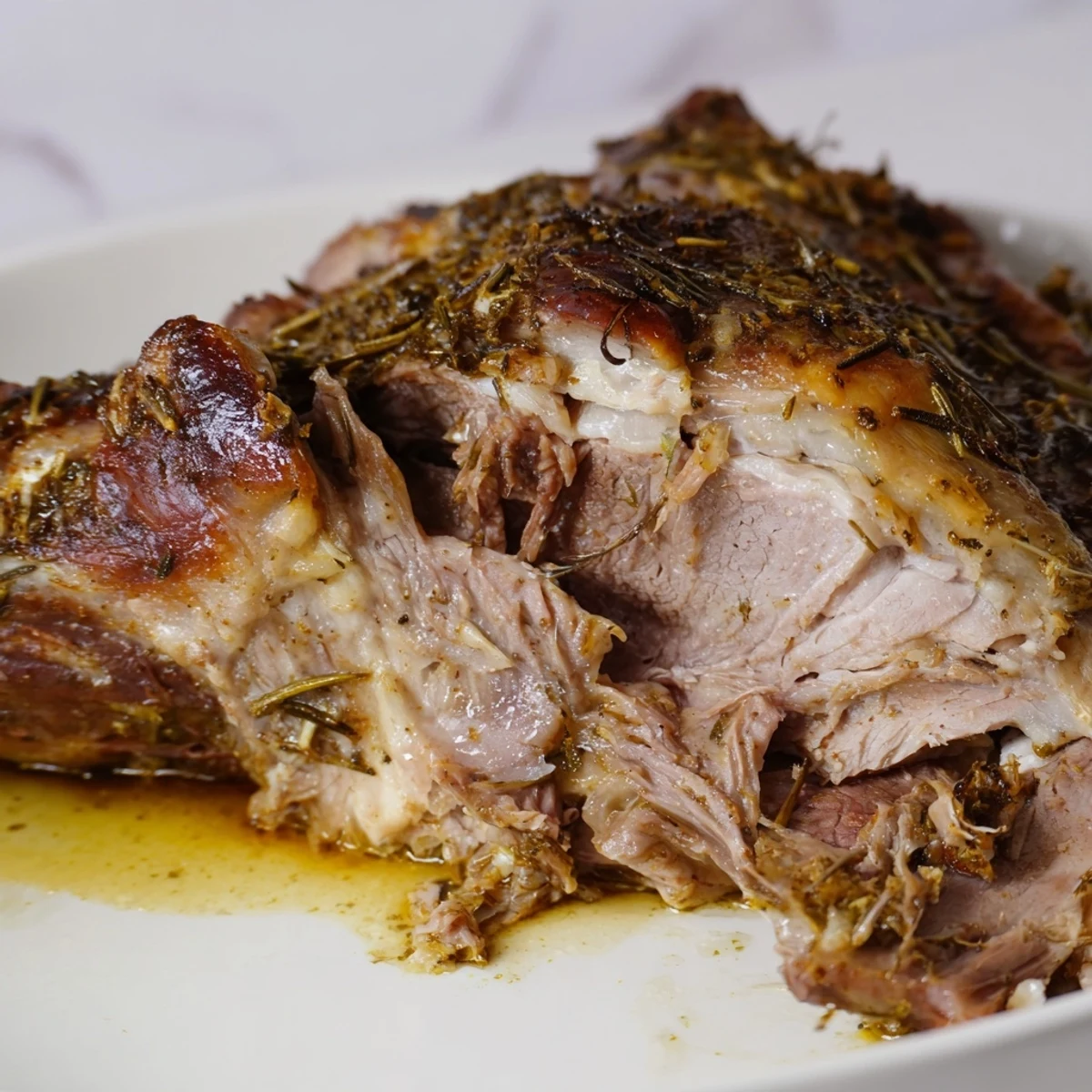
- Cover tightly with foil or a lid and roast for 3.5-4 hours, basting once or twice if you think of it. The meat is ready when a fork slides through with almost no resistance.
- Finish with color:
- Uncover for the last 30 minutes so the top browns again—this gives you a nice contrast between the tender interior and caramelized exterior.
- Rest and serve:
- Tent the rested lamb with foil for 15 minutes before carving. Serve it with the roasted vegetables and all those pan juices spooned over top.
 Save to Pinterest
 What I love most about this recipe is how it works for both ordinary Wednesdays when you need comfort food and special occasions when you want to feel like you've done something impressive. It's the kind of dish that brings out the best in people sitting around your table.
Why Slow Roasting Changes Everything
Low and slow cooking doesn't just soften meat—it transforms it, breaking down connective tissue into gelatin that makes every bite silky and rich. The herbs have time to infuse deeply instead of just coating the surface, and the vegetables underneath caramelize into something almost jam-like. It's the opposite of trying to rush things; this is cooking that rewards patience.
Building Flavor Layers
Each herb in this recipe does something different—rosemary and thyme are the anchor, oregano adds brightness, and lemon zest lifts everything so it doesn't feel heavy even though you're eating rich, fatty meat. The garlic tucked into slits stays gentle and sweet rather than becoming harsh. Think of it like seasoning; you're not trying to make the dish taste like herbs, you're making it taste like the best version of lamb.
Making It Your Own
Once you understand the basic technique, you can play with this endlessly. Some cooks marinate the lamb overnight, which deepens everything further. Others finish it with fresh herbs stirred into the pan juices at the very end. You might swap white wine for red, or add potatoes to the vegetable bed so they roast in the lamb fat.
- If you have time, marinate the lamb with herbs and oil the night before for even more flavor depth.
- Serve with crusty bread to soak up every drop of those pan juices—don't let them go to waste.
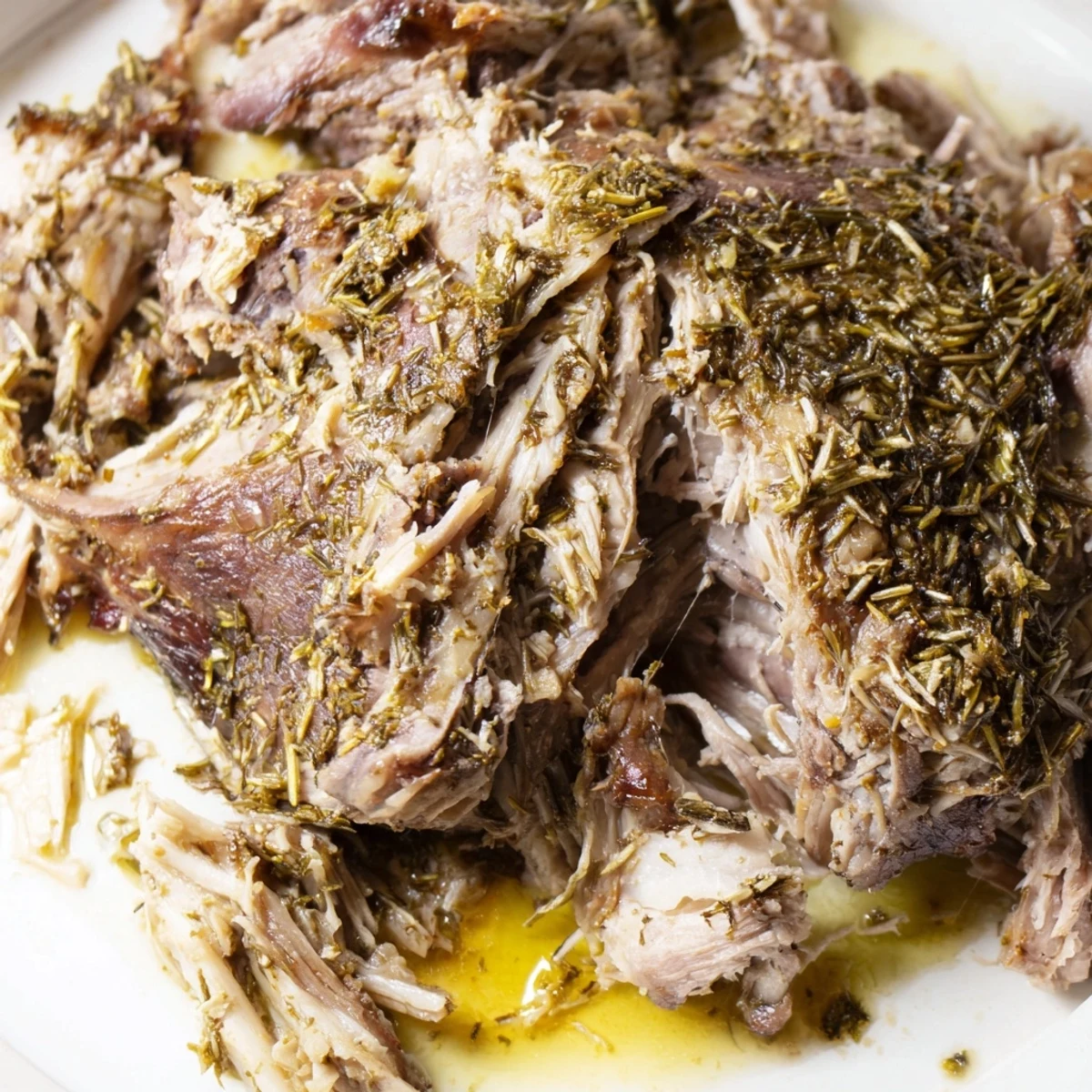
- Leftovers shred beautifully and freeze for sandwiches or grain bowls later in the week.
 Save to Pinterest
 This lamb shoulder has taught me that sometimes the most meaningful meals aren't the ones that take hours of active work, but the ones where you trust the process and let time do what you can't rush. Every time I make it, someone says it's the best lamb they've ever had.
Recipe FAQs
- → How do I ensure the lamb stays tender during cooking?
-
Slow roasting at a low temperature over several hours allows the connective tissues to break down, resulting in tender, juicy meat.
- → What herbs complement lamb shoulder best?
-
Rosemary, thyme, and oregano are classic herbs that infuse the lamb with robust Mediterranean flavors.
- → Can I substitute the white wine used for roasting?
-
Yes, you may replace white wine with additional stock to maintain moisture and flavor without alcohol.
- → Why is it important to rest the meat after roasting?
-
Resting allows juices to redistribute throughout the lamb, making it more moist and easier to carve.
- → What vegetables work well when roasting with lamb shoulder?
-
Onions, carrots, and celery provide a flavorful base that enhances the meat’s aroma and creates a delicious pan sauce.