
 Save to Pinterest
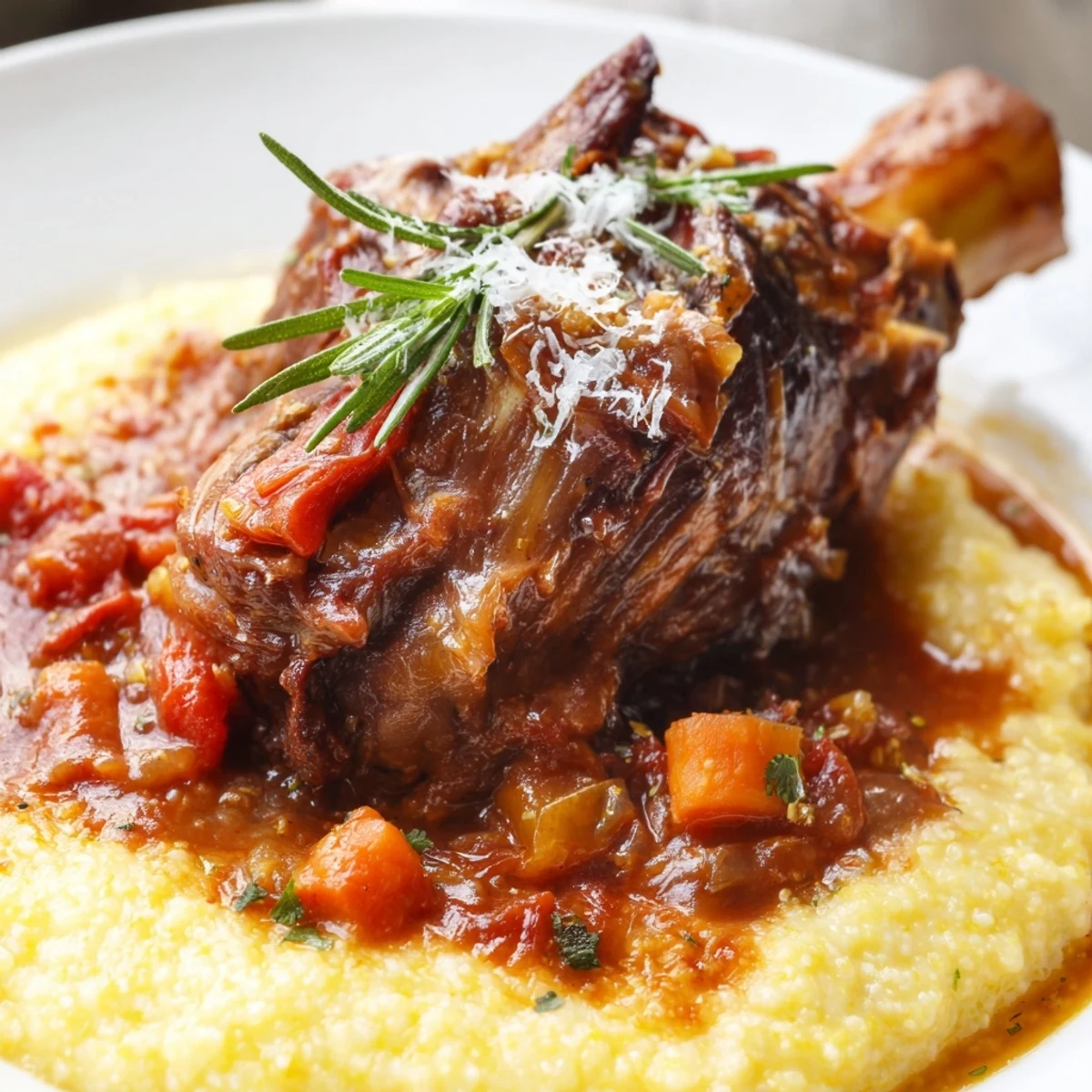
 Slow-cooked lamb shanks are braised in an aromatic red wine and herb sauce until tender and rich. Served atop creamy polenta infused with fresh rosemary and Parmesan, this dish combines hearty textures and deep, comforting flavors. The slow braising process tenderizes the meat while the polenta adds smooth, buttery balance enhanced by fragrant herbs. Perfect for a satisfying main course with rustic Italian flair, this meal showcases a perfect harmony of robust and delicate flavors for a cozy dining experience.
There's something about the smell of lamb braising low and slow that makes a kitchen feel intentional, like something important is happening. Years ago, I found myself cooking this on a particularly gray afternoon, one of those days when the weather demands comfort food and nothing else will do. The recipe came from a dog-eared cookbook I'd borrowed from a friend, but what stayed with me wasn't just how tender the meat became, but how the house transformed as it cooked. Now whenever I make it, that same kitchen alchemy happens, and I'm reminded why slow cooking is less about technique and more about patience rewarded.
I remember cooking this for my partner's family when they visited, nervous because I'd never made it for a crowd before. The moment their eyes lit up when I brought that pot to the table, when they tasted how the meat just fell away from the bone, I knew I'd found something special. That dinner turned into one of those meals everyone still talks about, the kind that gets requested again and again.
Ingredients
- Lamb shanks (4, about 400 g each): Look for shanks that are roughly the same size so they cook evenly, and don't worry if they look intimidating at first because that's where all the magic happens.
- Olive oil (2 tbsp): Use a quality oil since it's doing real work here in the searing step, not just padding.
- Onion, carrots, and celery: This is your aromatic foundation, and taking a minute to chop them roughly helps them soften into the braising liquid beautifully.
- Garlic (4 cloves, minced): Fresh garlic makes a noticeable difference, so skip the jarred stuff this time.
- Tomato paste (2 tbsp): A small amount goes a long way, creating depth without overwhelming the delicate lamb flavor.
- Red wine (400 ml): Pour a glass for the pot and one for yourself, because this is a recipe that rewards being present in the kitchen.
- Beef or lamb stock (500 ml): Homemade is wonderful, but quality store-bought works just fine and saves a step.
- Canned chopped tomatoes (400 g): These add acidity and body, cutting through the richness perfectly.
- Fresh rosemary and thyme (2 sprigs each): Whole sprigs release their flavor slowly, which is exactly what we want over three hours.
- Bay leaves (2): These quiet, understated herbs tie everything together in a way that's hard to identify but impossible to miss.
- Salt and pepper: Season generously because slow cooking mellows flavors, so what seems like enough at the start actually needs a bit more.
- Water (1 liter) and polenta (250 g): Coarse cornmeal transforms into something creamy and luxurious, the perfect canvas for that rich sauce.
- Butter (2 tbsp), Parmesan (60 g), and fresh rosemary (1 tbsp): These finishing touches turn polenta from simple to silky.
Instructions
- Preheat and prepare:
- Set your oven to 160°C and pat those lamb shanks completely dry with paper towels, then season them generously with salt and pepper. Dry meat browns better, and good seasoning at the start layers flavor throughout the whole dish.
- Sear the lamb:
- Heat your oil until it shimmers, then carefully lay each shank into the pot and don't touch it for a few minutes. You're looking for a deep golden crust on all sides, which means letting each side sit undisturbed for about three to four minutes before turning.
- Build your sauce base:
- In the same pot, soften your onion, carrots, and celery until the edges start to caramelize, then add garlic and let it bloom for just a minute. Stir in tomato paste and let it darken slightly, which concentrates its flavor and removes any metallic taste.
- Deglaze and reduce:
- Pour in that red wine and use a wooden spoon to scrape up every brown bit stuck to the bottom of the pot, then let it bubble away for a couple of minutes. This step, called deglazing, pulls all that caramelized flavor back into your sauce.
- Combine and braise:
- Add your stock, tomatoes, herbs, and bay leaves, then nestle those lamb shanks back in so they're mostly covered by liquid. Bring everything to a gentle simmer, cover, and slide it into that low oven for two and a half to three hours.
- Make the polenta:
- About thirty minutes before the lamb is done, boil salted water and whisk in the polenta very gradually to avoid lumps, stirring constantly until it's thick and creamy. This might seem tedious, but it's actually meditative, and the constant stirring is what transforms grainy cornmeal into something luxurious.
- Finish and serve:
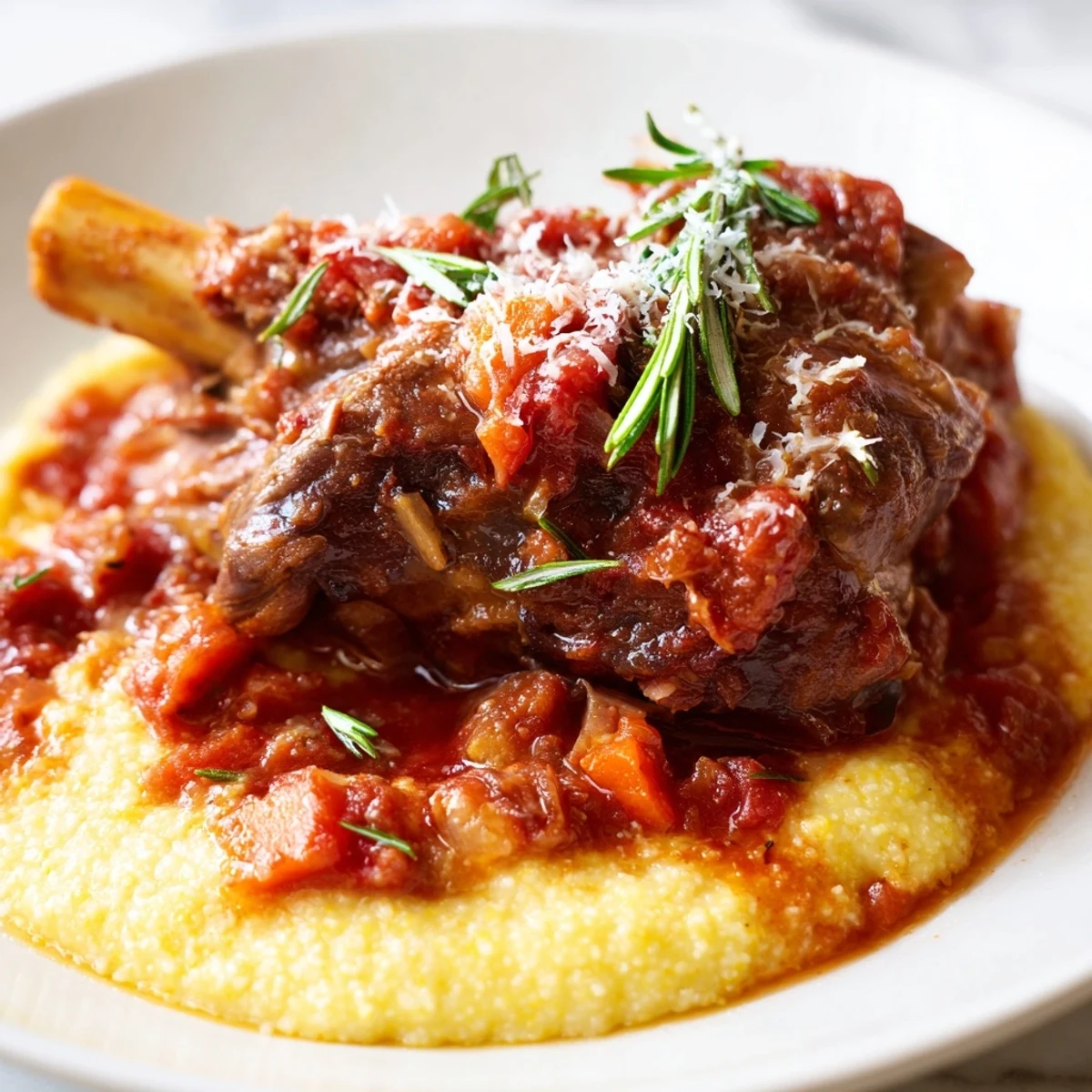
- Stir butter, Parmesan, and fresh rosemary into your polenta, then taste and adjust the seasoning. Spoon that creamy polenta onto plates, top with a tender lamb shank and plenty of sauce, and feel that moment of satisfaction when something you've been tending to finally comes together.
 Save to Pinterest
 The first time I served this to someone who said they didn't usually like lamb, watching them go back for seconds was a small victory that meant more than I expected. It reminded me that good food has this quiet power to change minds, not through trickery but through genuine care and time taken.
The Magic of Low and Slow Cooking
Braising is less about following exact times and more about understanding what you're looking for, which is meat so tender it practically separates from the bone at the gentlest tug. Every oven runs different, so check at the two-hour mark and again at two and a half hours, looking for that tender texture rather than a clock. The low temperature and enclosed environment essentially steam the meat in its own liquid, breaking down tough fibers into something silky.
Wine Pairing and Serving Ideas
A robust red wine alongside this dish isn't just tradition, it's actually the best companion because the tannins cut through the richness and the acidity brightens everything. Chianti brings an earthy elegance, while Shiraz adds a subtle spice that echoes the herbs in the braise. Serve this to people you want to impress or save it for nights when you need to feel a little fancy in your own home.
Variations and Personal Touches
This recipe is structured enough to be reliable but flexible enough to reflect what's in your kitchen and what you're craving. Orange zest adds a whisper of brightness that surprised me the first time I tried it, and it completely changed how I think about this dish, pulling the flavors in a lighter direction. Pecorino Romano swapped for Parmesan makes the polenta sharper and more assertive, which some nights feels exactly right.
- A strip of orange zest added to the braising liquid adds subtle brightness without becoming obvious.
- Pecorino Romano can replace Parmesan for a more pronounced, sharper flavor in the polenta.
- If you find yourself with leftover lamb, it shreds beautifully and makes incredible sandwiches the next day.
 Save to Pinterest
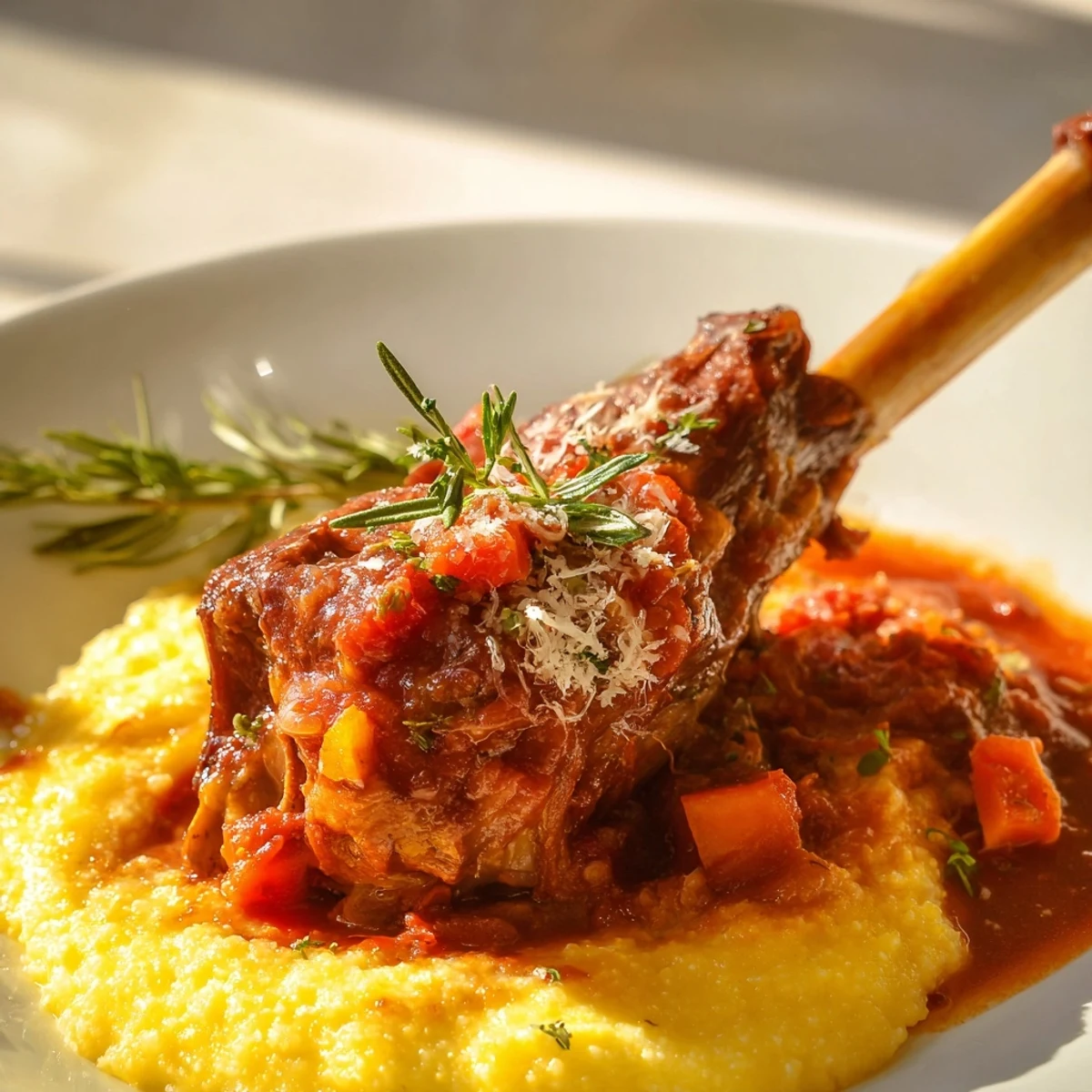
 This is the kind of meal that turns an ordinary evening into something worth remembering, the type of food that makes people linger at the table a little longer. Make it when you want to feel both capable and generous, because that's exactly what slow cooking teaches us to be.
Recipe FAQs
- → How do I ensure the lamb shanks are tender?
-
Slow braising at a low temperature for several hours allows the collagen in the lamb shanks to break down, resulting in tender, fall-off-the-bone meat.
- → Can I prepare the rosemary polenta ahead of time?
-
Yes, polenta can be cooked in advance and gently reheated with a splash of water or stock to restore its creamy texture before serving.
- → What wine pairs well with this dish?
-
Robust red wines like Chianti or Shiraz complement the rich flavors of the braised lamb and herbs perfectly.
- → How can I thicken the sauce if it’s too thin?
-
Simmer the sauce uncovered on the stovetop for a few minutes to reduce the liquid and concentrate the flavors.
- → Is it possible to substitute Parmesan cheese in the polenta?
-
Pecorino Romano can be used as a sharper alternative to Parmesan, adding a different but delicious flavor profile.