
 Save to Pinterest
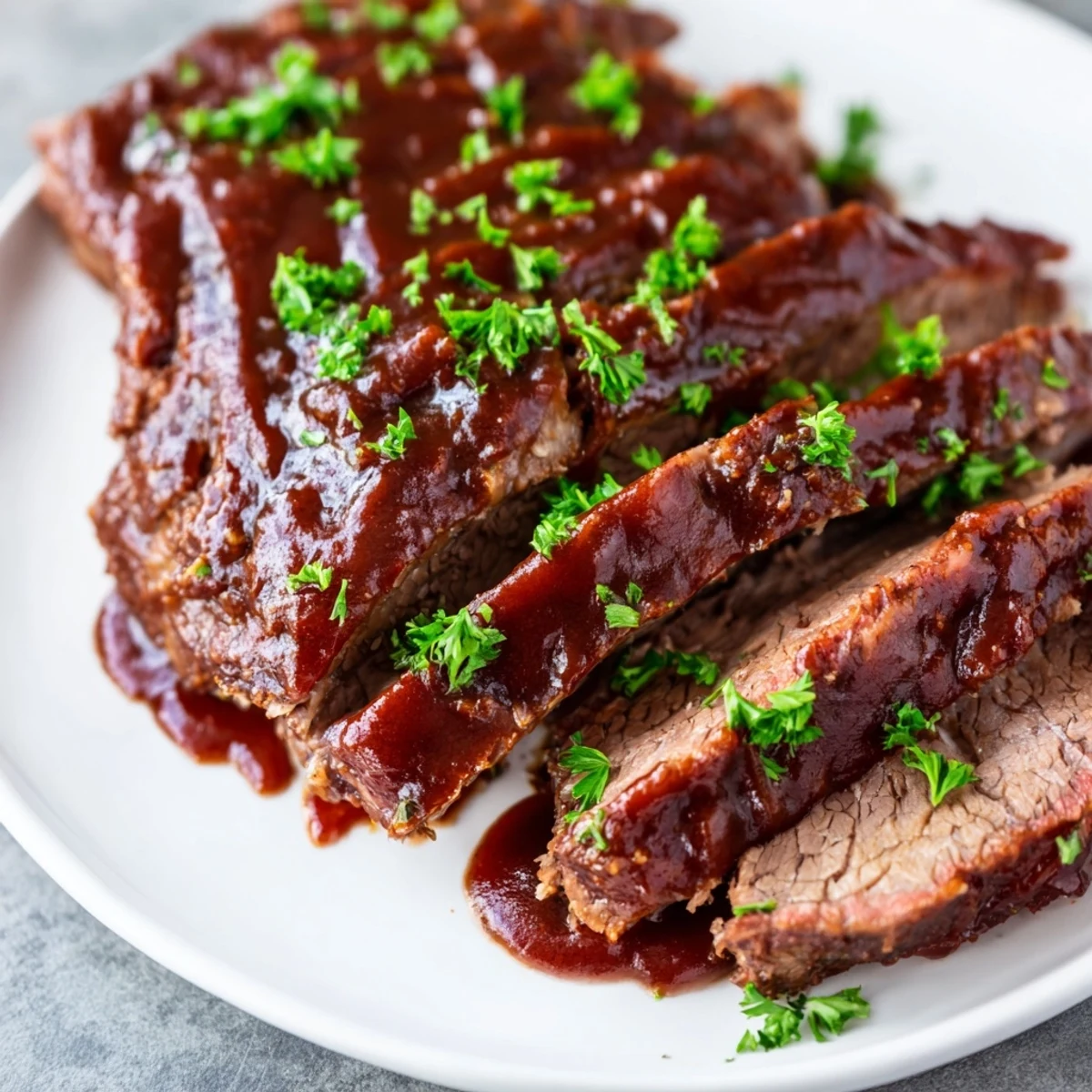
 This dish features a large beef brisket seasoned with a smoky dry rub, seared to lock in flavor, then slow-cooked in a rich and tangy BBQ sauce until tender. The result is juicy, melt-in-your-mouth meat infused with smoky, sweet, and savory notes. Served best with soft rolls, mashed potatoes, or coleslaw, it offers a comforting and flavorful dining experience perfect for gatherings or a hearty family meal.
The preparation involves coating the brisket with olive oil and spices, searing it for added depth, then slow cooking it gently for hours. The accompanying sauce balances apple cider vinegar’s tang with honey’s sweetness and the robust spices of smoked paprika and cumin. Garnish with fresh parsley for a touch of color and freshness.
The first time I made brisket in my slow cooker, I wasn't trying to impress anyone—I just needed dinner that wouldn't demand my attention all day. Eight hours later, the smell had completely taken over my kitchen, and my skeptical partner asked if I'd been cooking all afternoon. That's when I realized this dish does the work for you, transforming a tough cut of meat into something so tender it falls apart on a fork, all thanks to a smoky BBQ sauce that deepens and sweetens as it braises.
I made this for my sister's birthday dinner once, and honestly, I was nervous about timing everything with sides. But the beauty of slow-cooked brisket is that it finishes exactly when you need it to, and people always seem to gather in the kitchen drawn by that smoky aroma, leaning against counters with wine glasses, waiting for something they can practically smell cooking down to tenderness.
Ingredients
- Beef brisket, 1.5 kg trimmed: Look for a piece with a decent fat cap—that's where the flavor lives and where the meat stays moist through hours of cooking.
- Smoked paprika, 1 tbsp: Don't skip this; it's the foundation of that authentic smoky flavor that makes people think you spent hours tending a barbecue pit.
- Brown sugar, 1 tbsp: Works with the honey to balance the vinegar and create layers of sweetness that feel natural, not cloying.
- Kosher salt and black pepper, 2 tsp and 1 tsp: The backbone of any good rub—taste as you go when mixing.
- Garlic powder and onion powder, 1 tsp each: These dry ingredients amplify as the meat cooks, becoming almost concentrated in their savory punch.
- Cayenne pepper, ½ tsp optional: Add it if you want heat that builds slowly, or leave it out if your crowd prefers pure smoke and sweetness.
- Ground cumin, ½ tsp: A small amount adds earthiness that makes the sauce taste less like straight BBQ and more like something you crafted yourself.
- Barbecue sauce, 1½ cups: Choose a smoky variety and don't overthink it—this is your base, and everything else builds on it.
- Apple cider vinegar, ⅓ cup: This cuts through richness and adds a subtle tang that prevents the sauce from becoming one-dimensional.
- Beef broth, ¼ cup: Keeps the sauce loose enough to actually coat and penetrate the meat as it cooks.
- Worcestershire sauce, 2 tbsp: Read the label if you're cooking for people with restrictions—some versions contain gluten or anchovies.
- Dijon mustard, 2 tbsp: Adds a subtle sharpness and helps emulsify the sauce so it clings to the meat instead of pooling at the bottom.
- Tomato paste, 2 tbsp: Gives body and depth, transforming what might be a thin sauce into something that actually tastes like it took effort.
- Honey, 2 tbsp: The final sweetness that rounds out all the savory and tangy notes without being obvious about it.
Instructions
- Dry the meat and oil it down:
- Pat the brisket completely dry with paper towels—wet meat won't brown properly, and browning is where all the flavor comes from. Rub it generously with olive oil so the spices stick and the surface gets a proper sear.
- Build your rub:
- Mix all the dry rub ingredients in a small bowl, then taste it on your finger to make sure the salt and pepper balance feels right. Press the rub onto every surface of the brisket like you're giving it a massage, getting into crevices and making sure nothing falls off.
- Sear it hard:
- Heat your skillet until it's almost smoking, then lay the brisket down and leave it alone for about four minutes—don't poke it. You want a deep brown crust on every side, which takes patience but creates a flavor foundation that everything else builds on.
- Transfer to the slow cooker:
- Move the seared brisket carefully to your slow cooker, fat side up if possible, so the rendered fat bastes the meat as it cooks.
- Mix and pour the sauce:
- Whisk all the BBQ sauce ingredients together in a bowl, then pour it over the brisket until it's mostly covered. The meat will release liquid as it cooks, so you don't need to drown it, but enough sauce should surround it to do its work.
- Cook low and slow:
- Cover and let it go for eight to ten hours on LOW—this is the most forgiving setting. HIGH will work in four to five hours, but LOW gives you more leeway and more tender results, and the meat becomes so soft it starts falling apart on its own.
- Rest and slice:
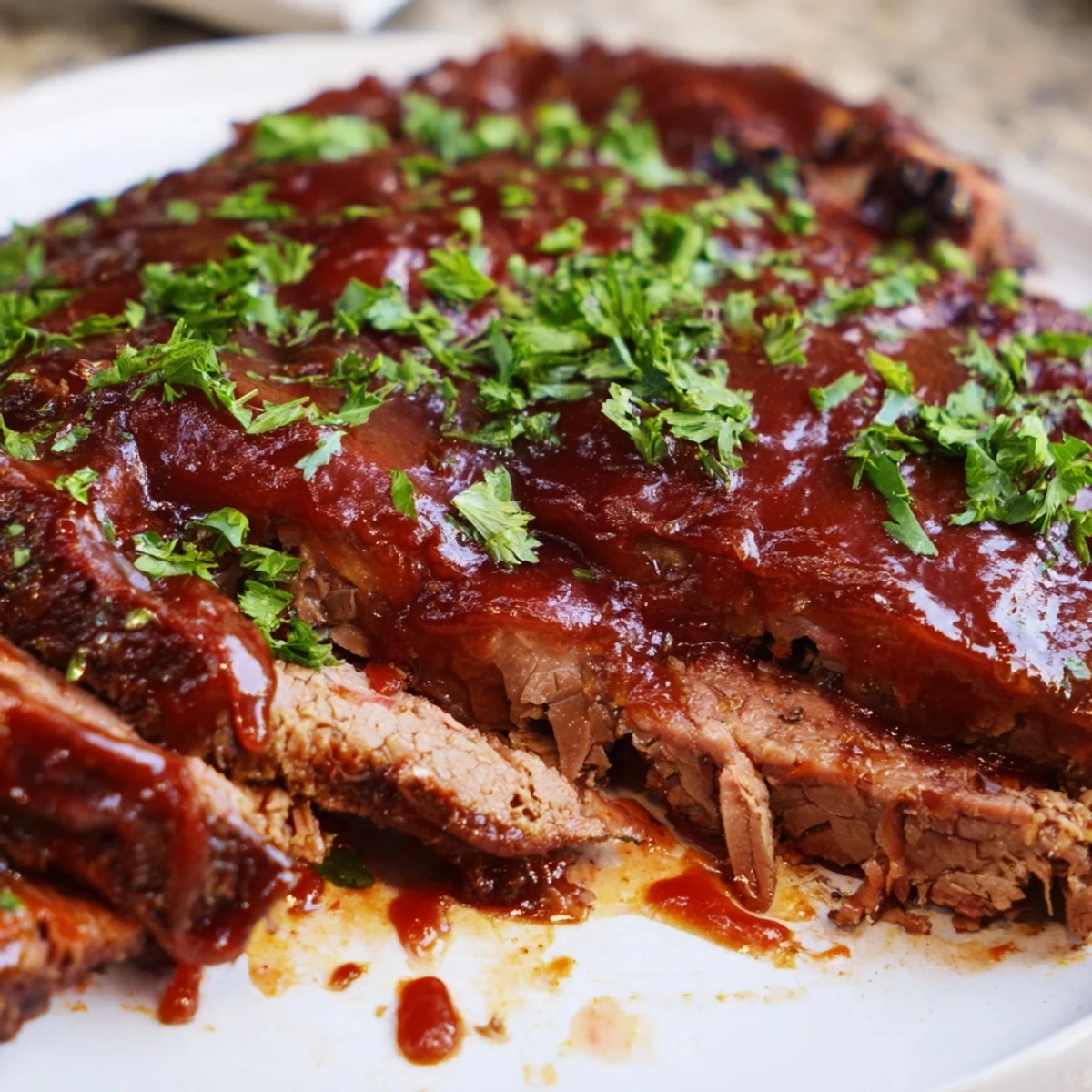
- Take the brisket out, let it rest for ten minutes on a cutting board (this keeps it from drying out), then slice it against the grain, which shortens the muscle fibers and makes each bite more tender. If it's falling apart, shred it instead—it's just as good, maybe better.
- Skim and serve:
- Tilt the slow cooker and skim off the excess fat from the surface of the sauce with a spoon, then spoon the sauce generously over each portion. Garnish with fresh parsley to add a bright note that cuts through all that richness.
 Save to Pinterest
 My neighbor once asked why I was making brisket on a random Tuesday, and I realized I'd stopped needing a special occasion to justify it. That's when a recipe becomes truly yours—when you make it because you love it, not because you're trying to prove something.
Making the Sauce Work for You
The sauce is where this dish gets its personality, and once you understand how the ingredients balance, you can adjust it without fear. The vinegar keeps everything from tasting heavy, the mustard adds complexity, and the honey rounds it all out into something that tastes considered but never fussy. If you like more smoke, add a teaspoon or two of liquid smoke near the end of cooking—you can always add more, but you can't take it out. Some people swap the honey for maple syrup and swear it's better, so experiment once you've made it the way I wrote it.
What to Serve Alongside
Soft rolls are the obvious choice—pile the brisket on them and eat like you're at a proper barbecue joint. But mashed potatoes work beautifully too, creating this comforting, almost creamy base for the smoky meat and sauce. Coleslaw provides a sharp, crunchy contrast that keeps the meal from feeling too heavy, and it honestly makes the difference between a good dinner and one people remember.
Stretching One Brisket Into Multiple Meals
Whatever you don't eat the first night doesn't go to waste in this house. Cool it completely, slice it, and refrigerate it with the sauce—it actually tastes better the next day as flavors continue to meld. The shredded brisket makes incredible tacos with pickled onions and cilantro, piles beautifully into sandwiches on toasted bread, and reheats without drying out as long as you do it gently with a splash of sauce.
- Shred any leftover brisket and layer it into quesadillas with cheese for a quick, totally different meal.
- Save the sauce separately and use it on pulled pork, ribs, or even roasted vegetables if you want.
- Freeze leftovers for up to three months, and they'll taste fresh when you thaw and reheat them slowly.
 Save to Pinterest
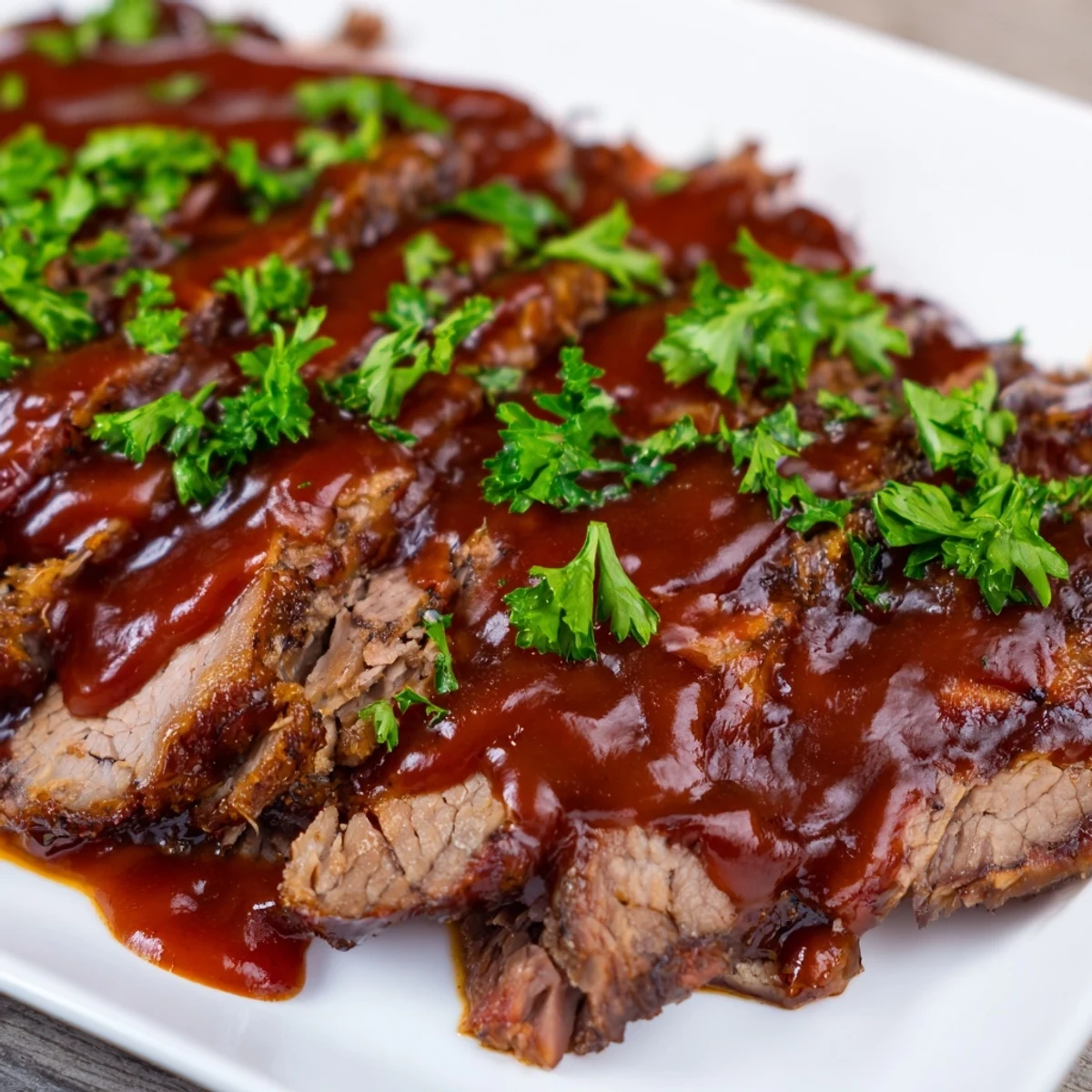
 This brisket exists in that sweet spot where it looks impressive enough to serve to people you want to impress, but it's simple enough that you're not stressed in the kitchen. That's the kind of recipe worth coming back to.
Recipe FAQs
- → How do I achieve tender brisket?
-
Slow cooking the brisket over low heat for 8+ hours breaks down connective tissue, resulting in tender, juicy meat.
- → What dry rub spices are best for brisket?
-
A blend of smoked paprika, brown sugar, garlic powder, onion powder, cumin, and a pinch of cayenne enhances smoky and spicy flavors.
- → Can I use a different cooking method besides slow cooker?
-
Yes, braising in an oven at low temperature for several hours yields similar tenderness and flavor.
- → What sides complement beef brisket well?
-
Soft rolls, mashed potatoes, and coleslaw balance the rich meat with softness and freshness.
- → How can I adjust the sauce for extra smokiness?
-
Adding 1–2 teaspoons of liquid smoke to the sauce enhances the smoky depth without overpowering.