
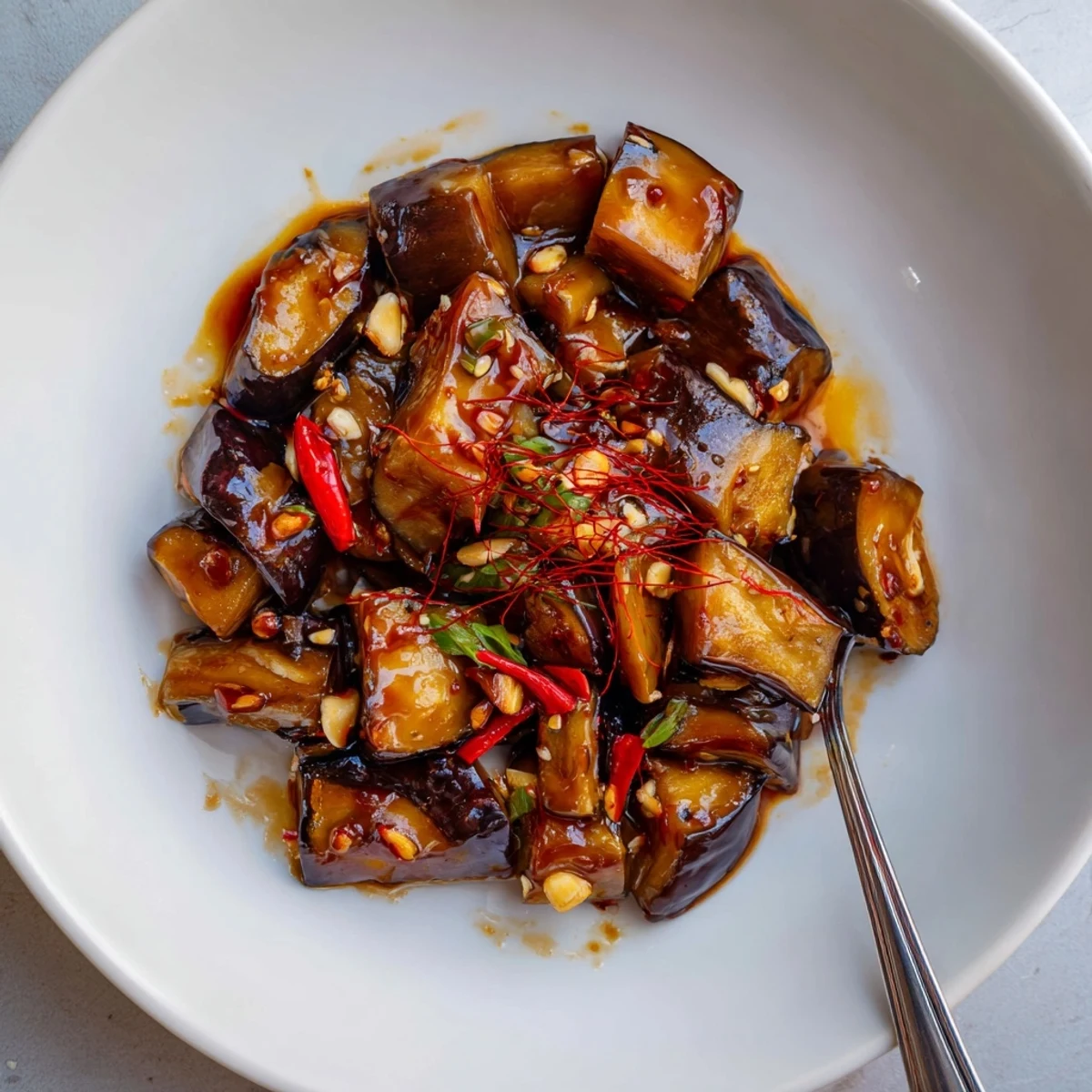
 Save to Pinterest
 Tender aubergine batons are salted, rinsed and pan-fried until golden, then briefly stir-fried with garlic, ginger and optional chili. Doubanjiang is cooked in the oil, then soy, dark soy, rice vinegar and stock are added. Simmer 8–10 minutes until very soft, thicken with a cornstarch slurry, finish with sesame oil and spring onions. Ready in about 40 minutes for four servings; serve with steamed rice or noodles.
Crackling oil and the deep peppery scent of Sichuan pepper always bring a sense of anticipation into my kitchen, especially when aubergines are the star. Chopping the glossy purple eggplants on a summer afternoon, it's almost impossible not to sneak a taste of their silky, spicy transformation before dinner. The way the sauce bubbles and thickens always draws a curious crowd around the stove. Some meals just feel lively and vibrant from the very first sizzle, and this is surely one of them.
One weeknight, while a friend recounted her tales of getting lost in Chengdu, I handed her a bowl of these saucy aubergines topped with a fistful of spring onions. We didn’t say much until the last bite was gone, except for the occasional appreciative sigh—some dishes demand your full attention and a second helping.
Ingredients
- Aubergines (eggplants): Salting and patting them dry is my trick for creamy texture with no bitterness lurking beneath the skin.
- Spring onions: Scatter them just before serving for a hit of fresh flavor and crunch.
- Garlic: Always use freshly minced for punch; pre-chopped will flatten the dish.
- Ginger: Finely chopped ginger brings warmth and complexity—don’t skip or skimp.
- Red chili: Completely optional, but thin slices add exciting heat and lovely color.
- Doubanjiang: The heart of this dish—look for it at any good Asian market, and use sparingly since it’s potent.
- Soy sauce: Adds salt and umami—regular for brightness, dark for color.
- Rice vinegar: It lifts all the bold flavors so the sauce tastes balanced, not heavy.
- Sugar: Just a whisper to round out the heat and tang.
- Vegetable stock or water: Stock is richer, but water works too if you season well.
- Vegetable oil: Enough for frying—aubergine drinks up oil, but don’t let that scare you.
- Sesame oil: Just a drizzle at the end brings gorgeous aroma.
- Salt: Use sparingly, since both soy and doubanjiang are salty.
- Cornstarch: Essential for that clingy, glossy sauce.
- Water (for slurry): Mix carefully to avoid lumps; it makes all the difference.
Instructions
- Prep the Aubergines:
- Sprinkle your batons lightly with salt, then let them rest—this little wait is worth it for their gentle, custardy interior. Rinse them off and pat completely dry; aubergines love to hold onto extra moisture.
- Golden Fry:
- Heat most of your oil until shimmering, then lower in the aubergine—be patient, let them brown and soften without stirring too much. Set aside once their skins gently wrinkle and their flesh yields to a fork.
- Sizzle the Aromatics:
- With just a slick of oil left, toss in ginger, garlic, and chili; the aroma will make you pause and breathe in—let them go just until everything smells absolutely irresistible.
- Building the Sauce:
- Add doubanjiang and stir; the oil will turn beautifully red as it toasts. Stir constantly—this is where the sauce gets its personality.
- Simmer Together:
- Return the aubergine, then tip in soy sauces, vinegar, sugar, and stock. Turn gently so every piece picks up sauce, then cover and let it all slowly mingle until the aubergine is wonderfully soft.
- Thicken the Sauce:
- Mix the cornstarch with water, pour in, and watch as the bubbling sauce turns glossy almost instantly. Stir until everything is coated and luscious.
- Finish and Serve:
- A swirl of sesame oil at the end gives it shine, and a shower of spring onions makes it feast-ready. Serve steaming hot with plain rice.
 Save to Pinterest
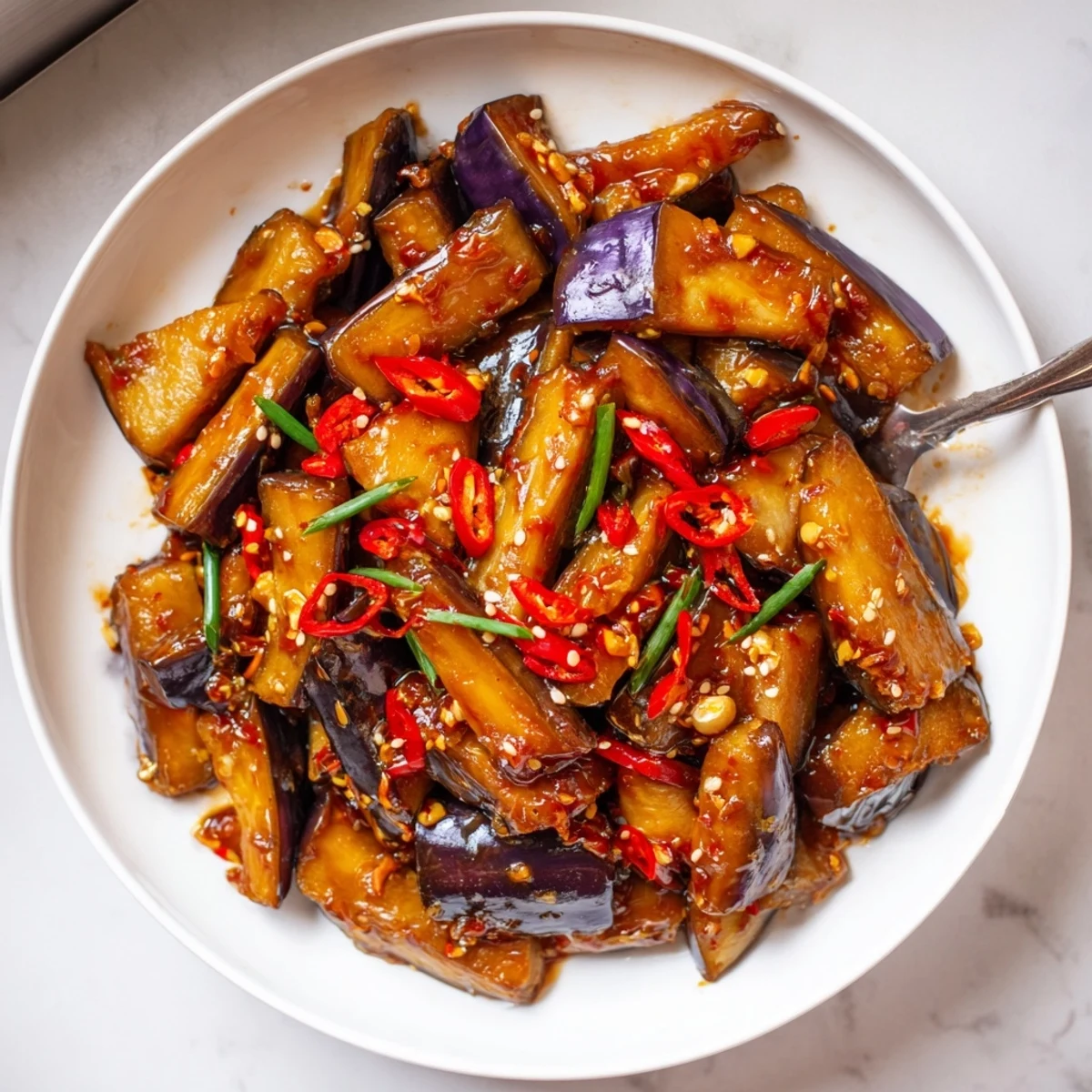
 One lazy Saturday, I brought a platter of these to a potluck, only to learn that even diehard meat eaters went back for thirds. That little victory convinced me that bold flavors and tender, saucy vegetables can win over any crowd.
Mastering the Frying Stage
Getting the aubergine golden without going soggy is all about high heat and not overcrowding the pan. I like to fry in batches and always blot with paper towels—it makes a world of difference for that silky-but-not-greasy texture.
Customizing the Sauce
Don’t be afraid to adjust doubanjiang or use chili garlic sauce if it’s all you have. I’ve swapped stock for water and even tinkered with more vinegar when craving brightness—this sauce is open to improv, as long as you taste as you go.
My Favorite Finishing Touches
For an extra hit of Sichuan magic, try dry-toasting Sichuan peppercorns and sprinkling them just before serving. Toasted peanuts add not just crunch, but a nutty backdrop to the spicy sauce.
- If you’re short on spring onions, a handful of cilantro works beautifully too.
- Aubergine leftovers warm up perfectly in the microwave, developing deeper flavor overnight.
- Keep the sauce thick—it makes every grain of rice a treat.
 Save to Pinterest
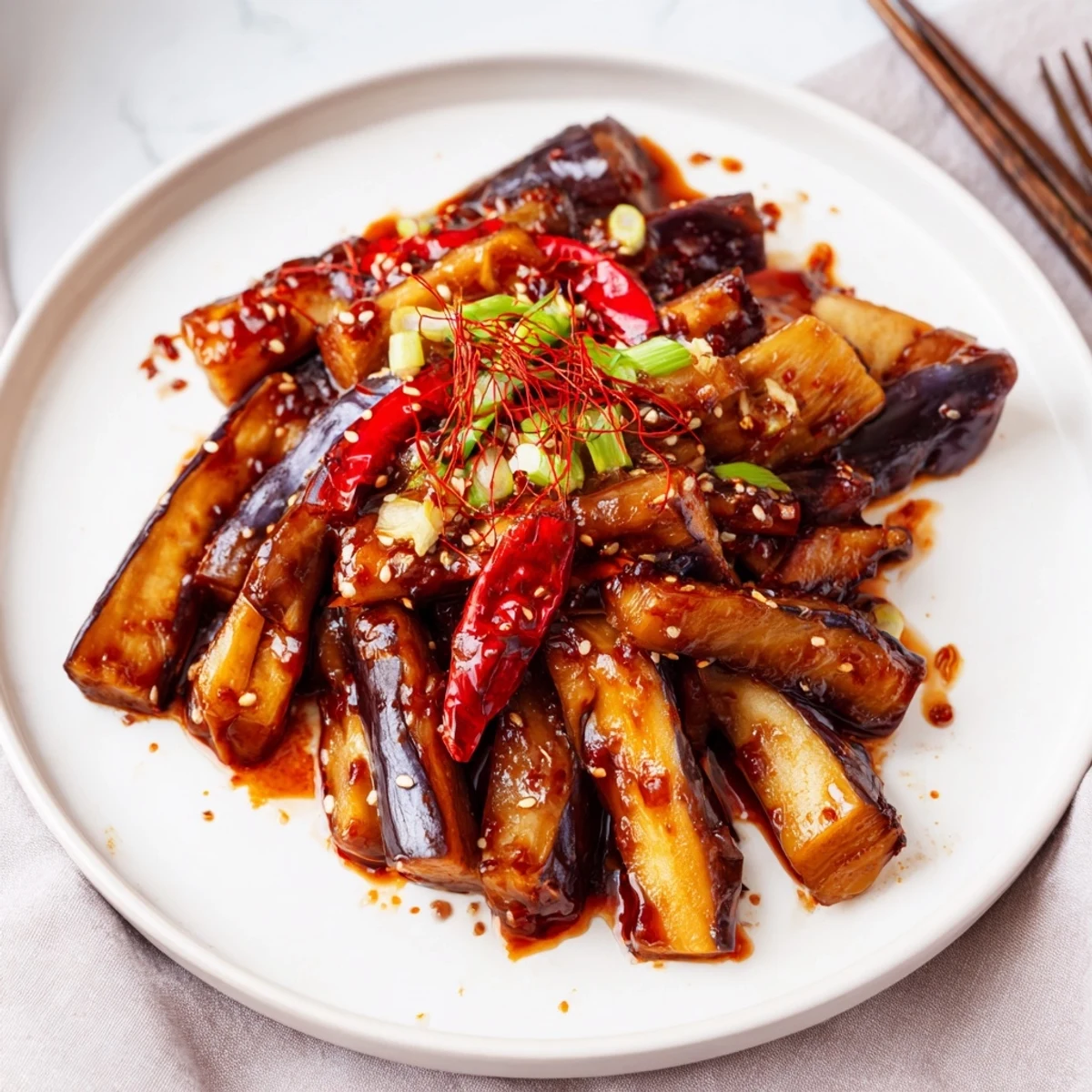
 This dish turns even an ordinary weeknight into something lively and special. Hope every bite brings smiles to your own table, just as it has to mine.
Recipe FAQs
- → Can I use different eggplant varieties?
-
Yes. Asian (Chinese) aubergines are thinner and cook faster; globe eggplants work too but may need longer frying. Cut into consistent batons so pieces soften evenly.
- → How do I prevent the aubergine from soaking up too much oil?
-
Salt the pieces and let them sit to draw out moisture, then rinse and pat dry. Fry in a hot pan in batches so pieces brown quickly rather than absorb oil. Alternatively roast or air-fry before finishing in the sauce.
- → What can I substitute for doubanjiang?
-
Use a chili bean or chili garlic sauce plus a touch of miso or fermented bean paste to mimic the savory depth. Adjust salt and heat to taste, since flavors will differ.
- → How can I make this gluten-free?
-
Replace regular soy sauce and dark soy with tamari or other gluten-free soy alternatives and check the doubanjiang label—some brands contain wheat. Use gluten-free stock if needed.
- → How should I store and reheat leftovers?
-
Cool quickly and refrigerate in an airtight container for up to 3 days. Reheat gently in a skillet with a splash of stock or water to revive the sauce; avoid prolonged high heat to prevent drying.
- → What additions work well to boost texture or protein?
-
Fold in pan-fried firm tofu or crispy tempeh for protein, or sprinkle toasted peanuts or sesame seeds for crunch. Thinly sliced bell pepper or snow peas add color and snap if added near the end of simmering.