
 Save to Pinterest
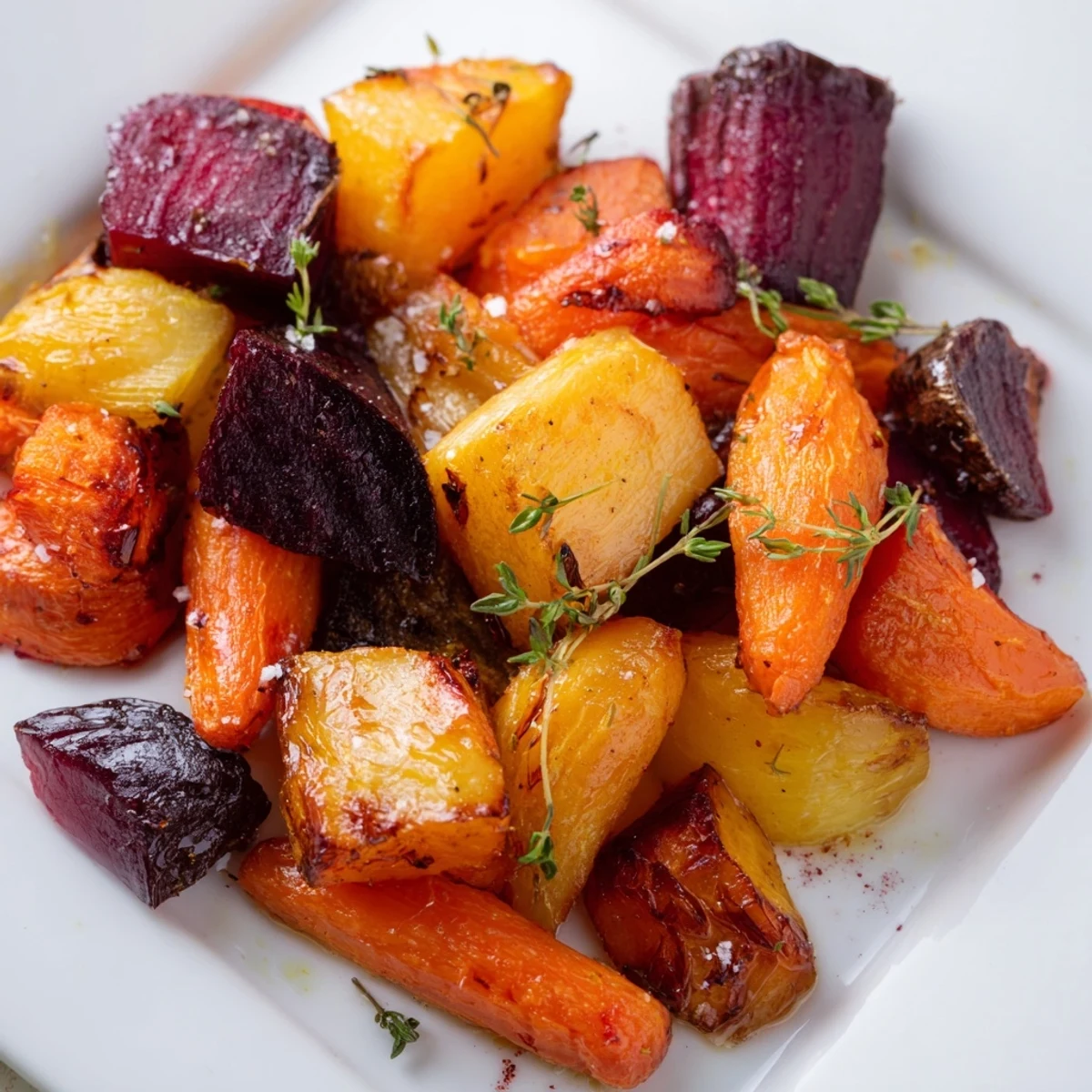
 This dish features a colorful mix of carrots, parsnips, beets, and sweet potato, all roasted to tender perfection. Infused with fragrant thyme and a touch of garlic, the vegetables develop a natural sweetness enhanced by the roasting process. Easy to prepare, this side complements a variety of meals and fits vegan and gluten-free diets. The method involves coating chopped roots with olive oil, thyme, salt, and pepper before roasting until golden and tender. Serve warm for a hearty and flavorful addition to your meal.
There's something almost meditative about chopping root vegetables on a quiet afternoon—the earthy smell that rises from each piece, the satisfying crunch of the knife against the cutting board. I discovered this recipe during one of those times when I wanted something simple but felt tired of the same old sides. Tossing these golden chunks with thyme and garlic, then sliding them into a hot oven, turned what could have been ordinary into something my guests kept reaching for.
I made this once for a potluck during the first cold snap of autumn, and someone asked for the recipe before they'd even finished their plate. That's when I realized it wasn't just me being sentimental about roasted vegetables—there's something genuinely comforting about them, especially when you're all gathered around a table as the weather turns.
Ingredients
- Carrots: Their natural sweetness deepens with roasting, and cutting them into chunks means they caramelize evenly without turning mushy.
- Parsnips: Slightly nutty and creamy when roasted, they're the secret ingredient that makes people wonder what you did differently.
- Beets: Earthy and bright, they'll bleed a little color onto the other vegetables, which is part of their charm and flavor.
- Sweet potato: Adds a gentle sweetness that plays beautifully against the savory thyme and salt.
- Olive oil: Use a good one—it's not hidden in a sauce, so it matters to the final taste.
- Fresh thyme: If you can find it, fresh thyme leaves are worth the effort; dried works but feels like a different dish.
- Garlic cloves: Smashed whole, they perfume everything without overpowering, and you can remove them if you prefer.
- Sea salt and black pepper: These aren't just seasoning—they're what bring out the vegetables' best qualities.
Instructions
- Get your oven ready:
- Preheat to 425°F and line your baking sheet with parchment paper so nothing sticks and cleanup is effortless.
- Prep your vegetables:
- Cut everything into roughly equal 1-inch chunks—this is where patience pays off, because uneven pieces cook unevenly. It takes about 10 minutes and feels meditative once you get into a rhythm.
- Toss it all together:
- Combine vegetables in a large bowl, then drizzle with olive oil and scatter thyme, salt, pepper, and smashed garlic over top. Toss with your hands or a spatula until everything glistens and the seasonings cling to each piece.
- Spread and roast:
- Arrange vegetables in a single layer on the baking sheet—this matters because crowding them creates steam instead of the golden caramelization you want. Roast for 35 to 40 minutes, stirring once halfway through, until the edges are deeply golden and a fork slides through easily.
- Finish and serve:
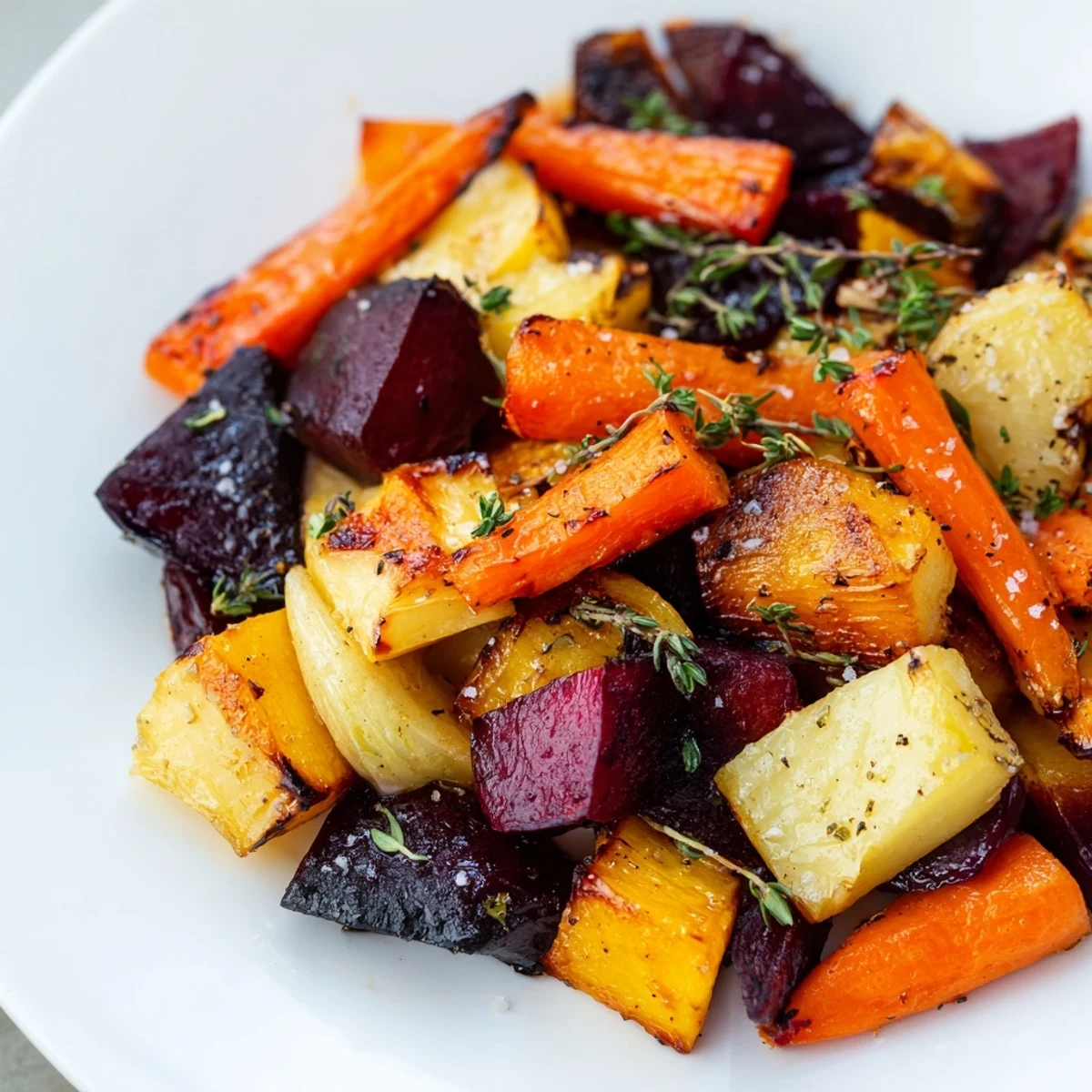
- Remove from the oven and let rest for just a moment. Fish out the garlic cloves if you want, sprinkle with fresh thyme if you have it, and serve while everything is still warm and the edges are slightly crispy.
 Save to Pinterest
 The moment I realized these roasted roots had become something special was when my young nephew asked for seconds without prompting, then asked me to make them again the next time he visited. There's a quiet satisfaction in knowing that simple food, made with attention, can become a memory.
Why Root Vegetables Are Worth Your Time
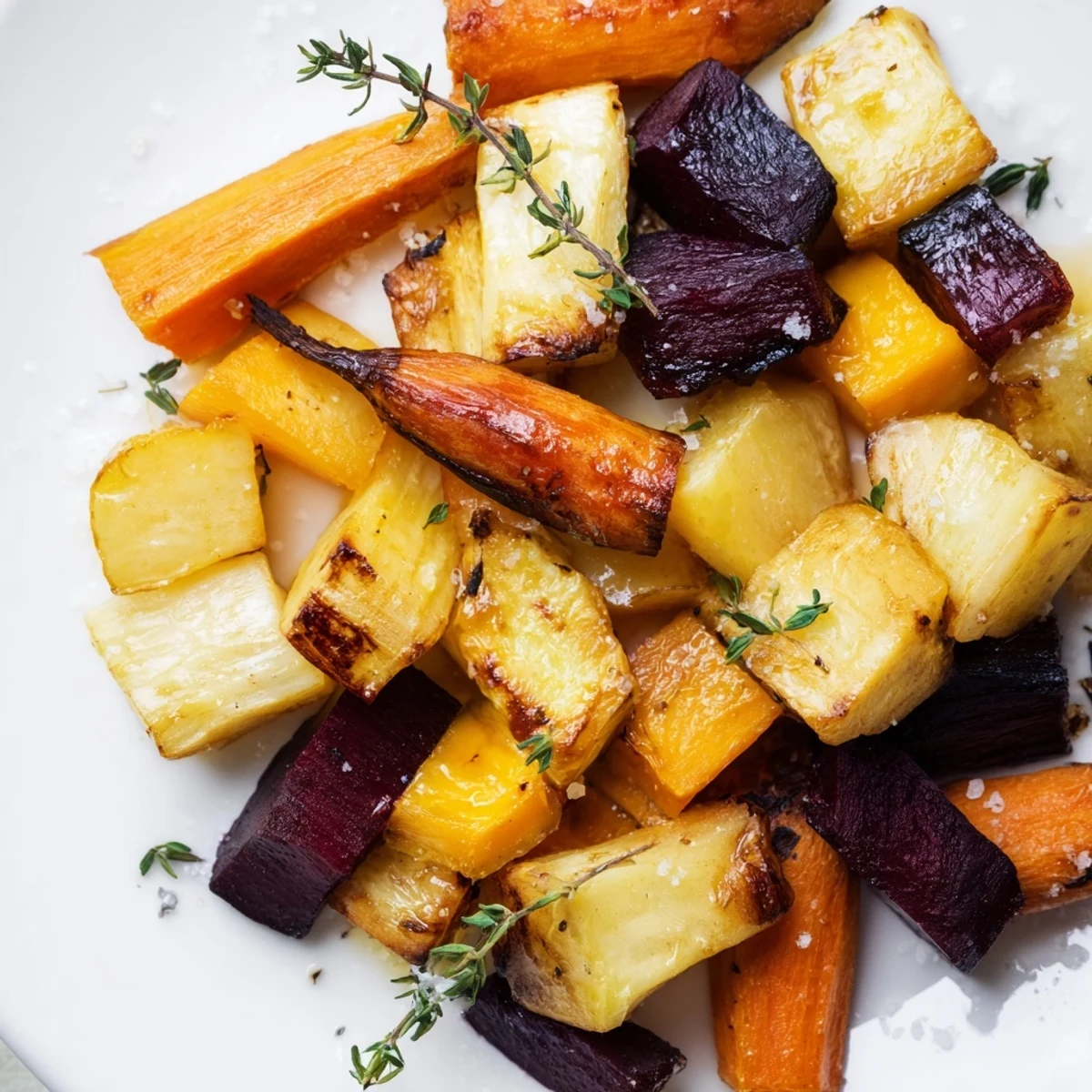
Root vegetables get overlooked because they're humble and ordinary in the produce section, but roasting transforms them into something almost luxurious. The oven's dry heat concentrates their natural sugars, creating crispy, caramelized edges while the insides turn creamy and tender. There's no technique to master, no special equipment needed—just time and temperature doing the work for you.
Variations and Flexibility
Once you understand how this basic formula works, you can play with it. Turnips and rutabagas are excellent additions if you want to experiment, and some people swear by adding a drizzle of honey or balsamic vinegar before roasting for extra depth. The beauty is that root vegetables are forgiving—they all roast at the same temperature and similar timeline, so swapping one for another rarely disrupts the timing.
Serving Suggestions and Storage
These vegetables work as a side to nearly any protein, but they're also hearty enough to become a meal on their own when served over grains or tucked into a salad. Leftovers keep well in an airtight container for three to four days and taste just as good cold or gently reheated in a low oven.
- Serve alongside roasted chicken, lamb, or grilled fish for an effortless dinner.
- Toss with cooked grains and a simple vinaigrette to make a substantial salad.
- Layer into grain bowls or use as a hearty topping for roasted vegetables alongside creamy hummus or yogurt.
 Save to Pinterest
 This recipe proves that the best dishes don't need to be complicated—they just need good ingredients and a little patience. Once you've made it once, you'll understand why it became a weeknight staple in my kitchen.
Recipe FAQs
- → What root vegetables work best for roasting?
-
Carrots, parsnips, beets, and sweet potatoes roast beautifully, becoming tender while caramelizing their natural sugars.
- → How do I ensure even roasting of the vegetables?
-
Cut vegetables into uniform chunks and spread them in a single layer on the baking sheet, turning once halfway through cooking.
- → Can I substitute fresh thyme with dried thyme?
-
Yes, use about one-third the amount of dried thyme compared to fresh to maintain balanced flavor.
- → Is it necessary to remove the garlic after roasting?
-
No, removing garlic is optional. Leaving it adds a mellow, roasted garlic flavor.
- → How can I add a hint of sweetness without honey?
-
Roasting the vegetables naturally brings out their sweetness; alternatively, adding a pinch of brown sugar or maple syrup before roasting works well.