
 Save to Pinterest
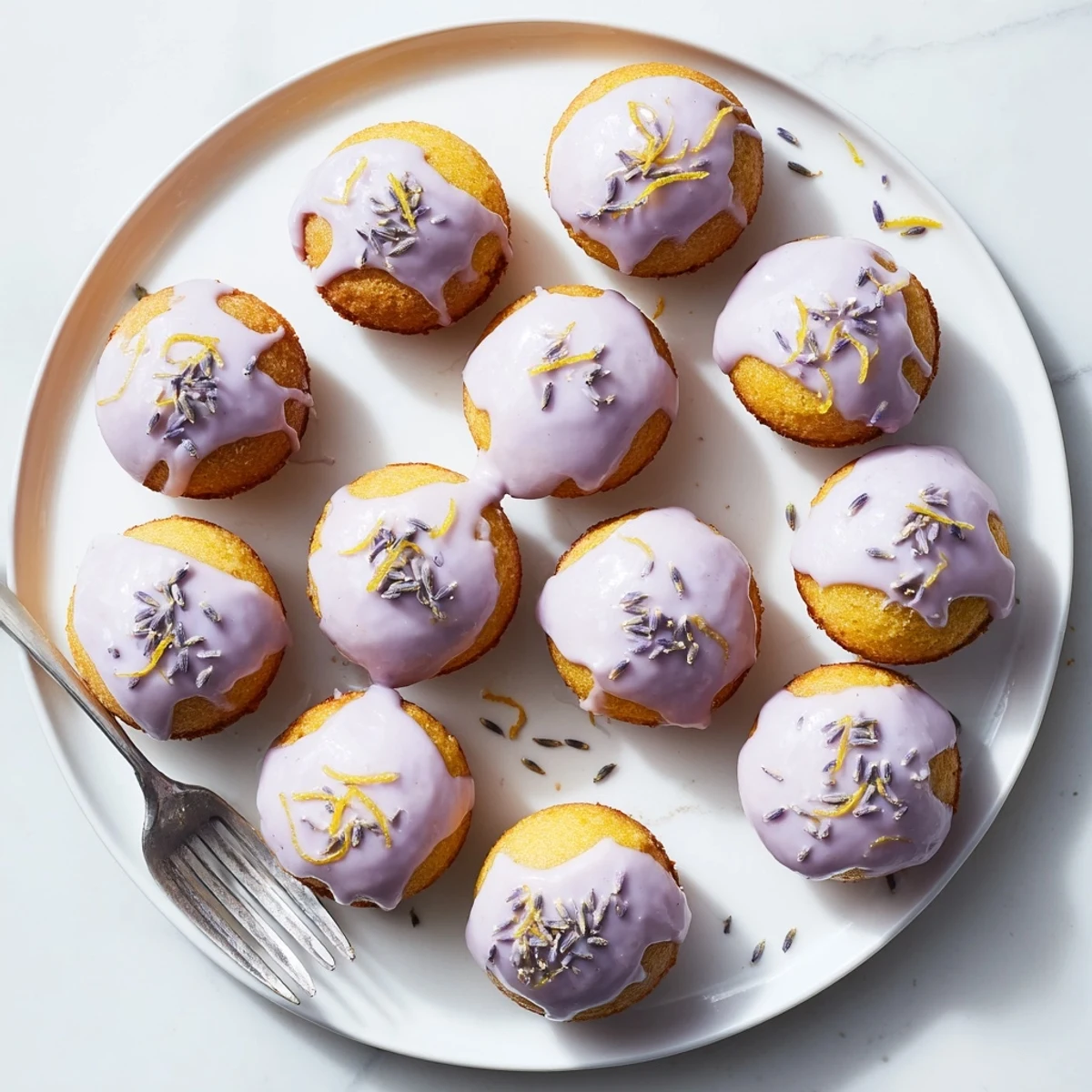
 These mini lemon cakes are wonderfully tender and fragrant, finished with a delicate lavender glaze that adds a floral, aromatic twist. The batter comes together quickly with everyday pantry staples — flour, butter, eggs, and bright lemon zest and juice. After a short 18-minute bake, the cooled cakes are drizzled with a smooth glaze made from powdered sugar, ground culinary lavender, and a splash of lemon juice. The result is a sophisticated little treat that pairs beautifully with hot tea or sparkling wine. You can make the cakes ahead and store them unglazed for up to two days, then glaze just before serving for the freshest flavor and finish.
There was a stretch one June where my kitchen smelled like a Provencal hillside and I had no one to blame but myself. I had bought a tiny jar of culinary lavender on a whim and suddenly everything from shortbread to iced tea got the treatment. These mini lemon cakes were the recipe that finally made that impulse purchase feel justified.
I brought a batch to a friend's porch gathering and watched two people who claimed they hated floral flavors go back for thirds. The secret is that the lemon keeps everything grounded so the lavender reads as fragrance rather than perfume.
Ingredients
- All-purpose flour (130 g): Provides the soft structure these little cakes need without making them heavy or breadlike.
- Granulated sugar (100 g): Sweetens just enough to balance the tart lemon and floral notes.
- Unsalted butter (60 g), softened: Room temperature butter is non negotiable here for that light creamy batter.
- Large eggs (2): Bring moisture and lift so the cakes stay tender.
- Milk (60 ml): Whole milk gives the best crumb texture.
- Fresh lemon juice (2 tbsp): Brightness that cuts through the butter and sugar.
- Lemon zest (1 tbsp): This is where the real lemon punch lives, so zest generously.
- Baking powder (1/2 tsp) and baking soda (1/4 tsp): The double leavening gives these a gentle dome.
- Fine salt (1/4 tsp): Enhances every other flavor without making anything taste salty.
- Vanilla extract (1/2 tsp): Rounds out the lemon and lavender so nothing feels sharp.
- Powdered sugar (120 g), sifted: Must be sifted or the glaze will have stubborn lumps.
- Whole milk (1 1/2 tbsp) for glaze: Start with this amount and add drops more if the glaze feels too thick.
- Culinary lavender buds (1/2 tsp), finely ground: Grind between your fingers or in a mortar until it resembles coarse sand.
- Extra lavender buds or lemon zest: A few scattered on top makes people think you tried much harder than you did.
Instructions
- Get the oven ready:
- Preheat to 350°F (175°C) and grease every mold of a 12 cup mini cake pan or muffin tin thoroughly. Missing a spot means stuck cakes and a ruined afternoon.
- Cream the butter and sugar:
- Beat them together until the mixture turns pale and fluffy, about two minutes with a mixer. This step builds the air that makes the cakes soft.
- Add the wet ingredients:
- Drop in the eggs one at a time, mixing well after each, then stir in the lemon zest, lemon juice, and vanilla.
- Whisk the dry ingredients:
- Combine the flour, baking powder, baking soda, and salt in a separate bowl so everything distributes evenly.
- Bring it all together:
- Alternate adding the dry mix and milk to the wet ingredients, starting and ending with the flour. Stop mixing the moment you see no more dry streaks.
- Fill the molds:
- Divide the batter evenly among the twelve molds, filling each about three quarters full.
- Bake:
- Bake for 16 to 18 minutes until a toothpick comes out clean. Let them rest in the pan for five minutes before moving to a wire rack to cool completely.
- Make the lavender glaze:
- Whisk the sifted powdered sugar, milk, ground lavender, and lemon juice until smooth and pourable. Adjust with tiny splashes of milk if needed.
- Finish the cakes:
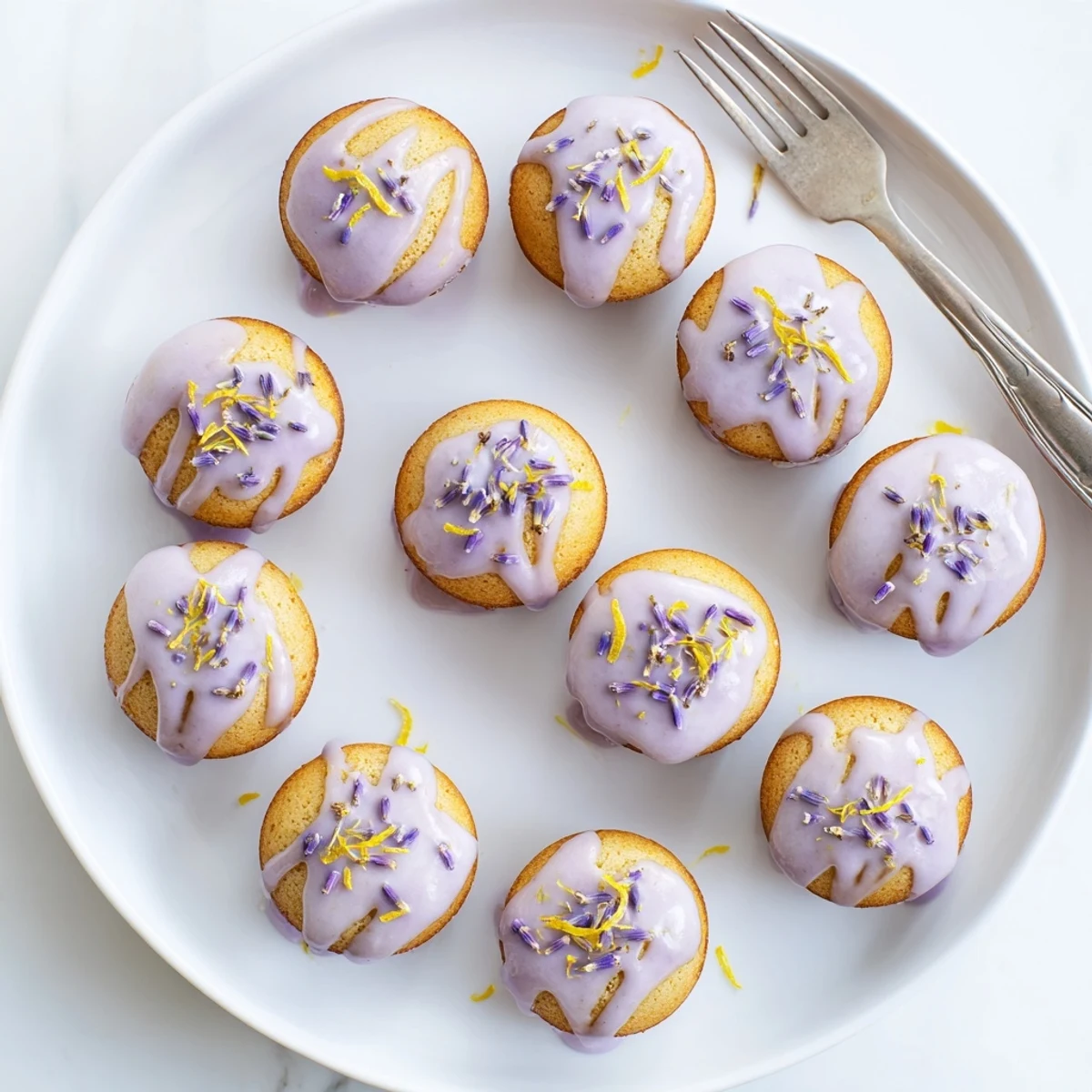
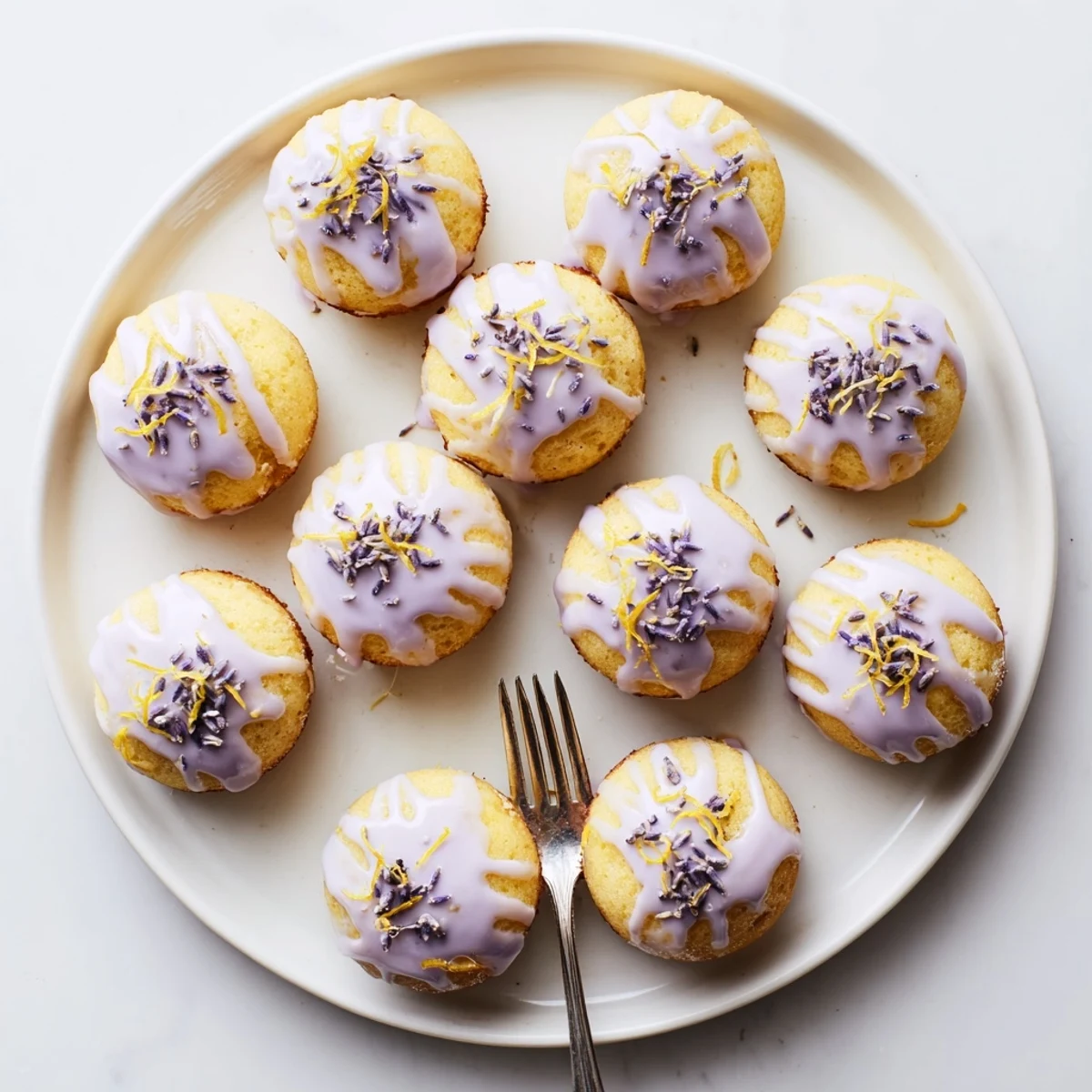
- Drizzle or spoon the glaze over each cooled cake and scatter a few lavender buds or lemon zest pieces on top.
 Save to Pinterest
 My neighbor knocked on the door the day I was testing the glaze consistency and ended up staying for forty five minutes, eating cake after cake with her hands. She still brings up those lemon cakes every time we talk.
Getting the Lavender Right
Culinary lavender is different from the stuff in sachets, so do not substitute craft store dried flowers. I once made that mistake and the entire batch tasted like soap wrapped in a drawer liner. A little goes a long way, and grinding the buds releases their oils without turning the glaze gritty.
Make Ahead Strategy
The cakes themselves store beautifully unglazed in an airtight container for up to two days. I always bake them the night before a gathering and glaze them the next morning so they look freshly made. The glaze sets up nicely within about twenty minutes at room temperature.
Serving Suggestions
A strong black tea with a little milk is the most natural pairing I have found. The tannins cut the sweetness and the whole thing feels like a proper afternoon moment.
- A glass of chilled prosecco turns these into an unexpected dessert course.
- Pile them on a tiered stand for instant visual impact.
- Keep extra glaze in a small jar in case you want to add a second drizzle before serving.
 Save to Pinterest
 These little cakes have a way of making an ordinary Tuesday afternoon feel like something worth remembering. Sometimes the smallest recipes leave the biggest impression.
Recipe FAQs
- → Can I use dried lavender from my garden?
-
Only if you're certain it's culinary-grade lavender that hasn't been treated with pesticides. Culinary lavender buds are specifically grown and processed for food use and have a milder, sweeter flavor than ornamental varieties.
- → How do I avoid overmixing the batter?
-
Mix the wet and dry ingredients just until no streaks of flour remain. A few small lumps are perfectly fine. Overmixing develops excess gluten, which makes the cakes dense and tough instead of tender.
- → Can I make these in a standard muffin tin?
-
Yes, a standard muffin tin works well. You'll get fewer, slightly larger cakes, so adjust the baking time to about 20–22 minutes and check with a toothpick for doneness.
- → How can I intensify the lavender flavor?
-
Warm the milk for the glaze with whole lavender buds, let it steep for 10–15 minutes, then strain before whisking into the powdered sugar. This infusion draws out more of the floral essence.
- → Can I store these glazed cakes?
-
It's best to store the cakes unglazed in an airtight container for up to two days, then add the glaze shortly before serving. The glaze can soften the cake tops if applied too far in advance.
- → What pairs well with these mini cakes?
-
A pot of Earl Grey or chamomile tea complements the citrus and floral notes beautifully. For something celebratory, a glass of prosecco or sparkling wine makes an excellent pairing.