
 Save to Pinterest
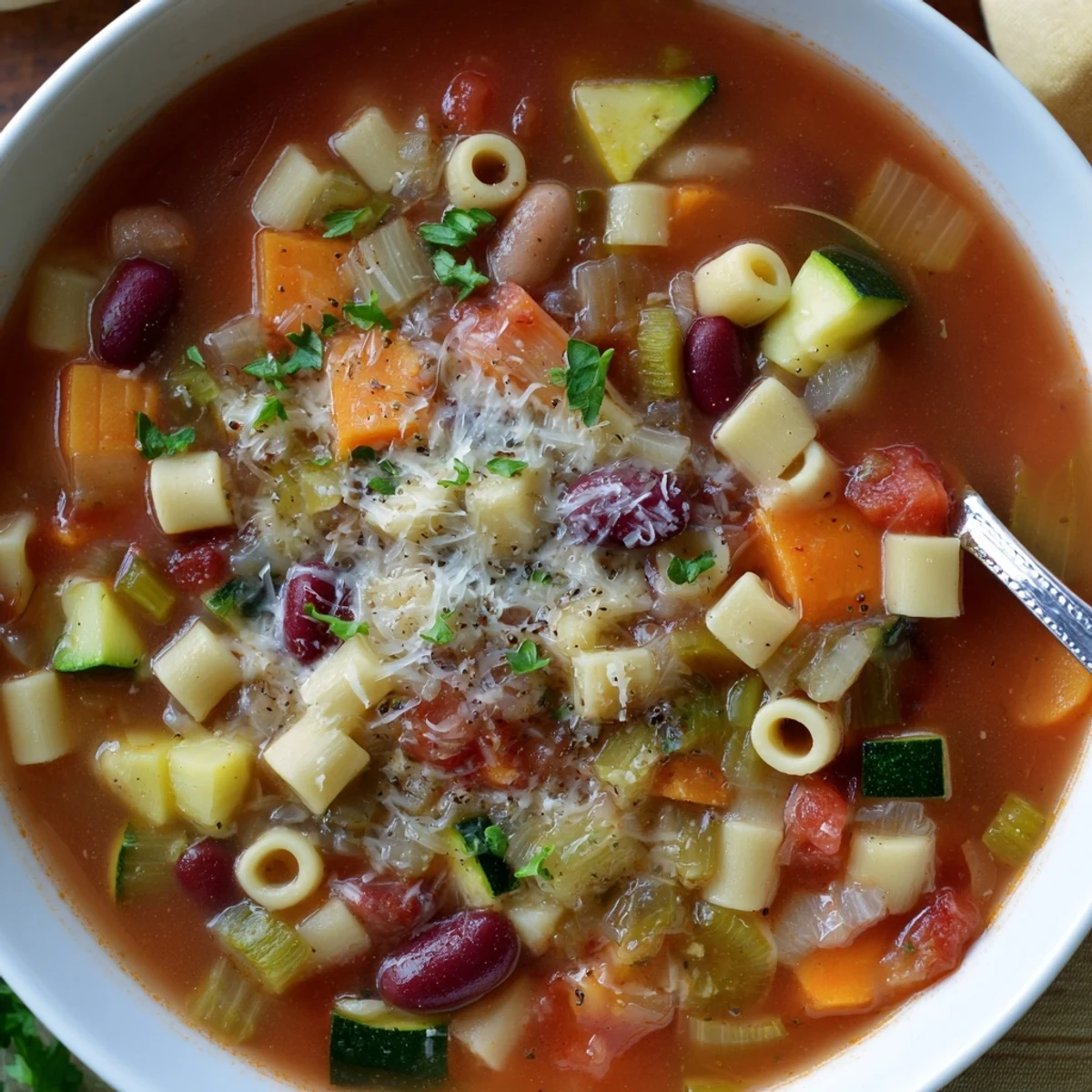
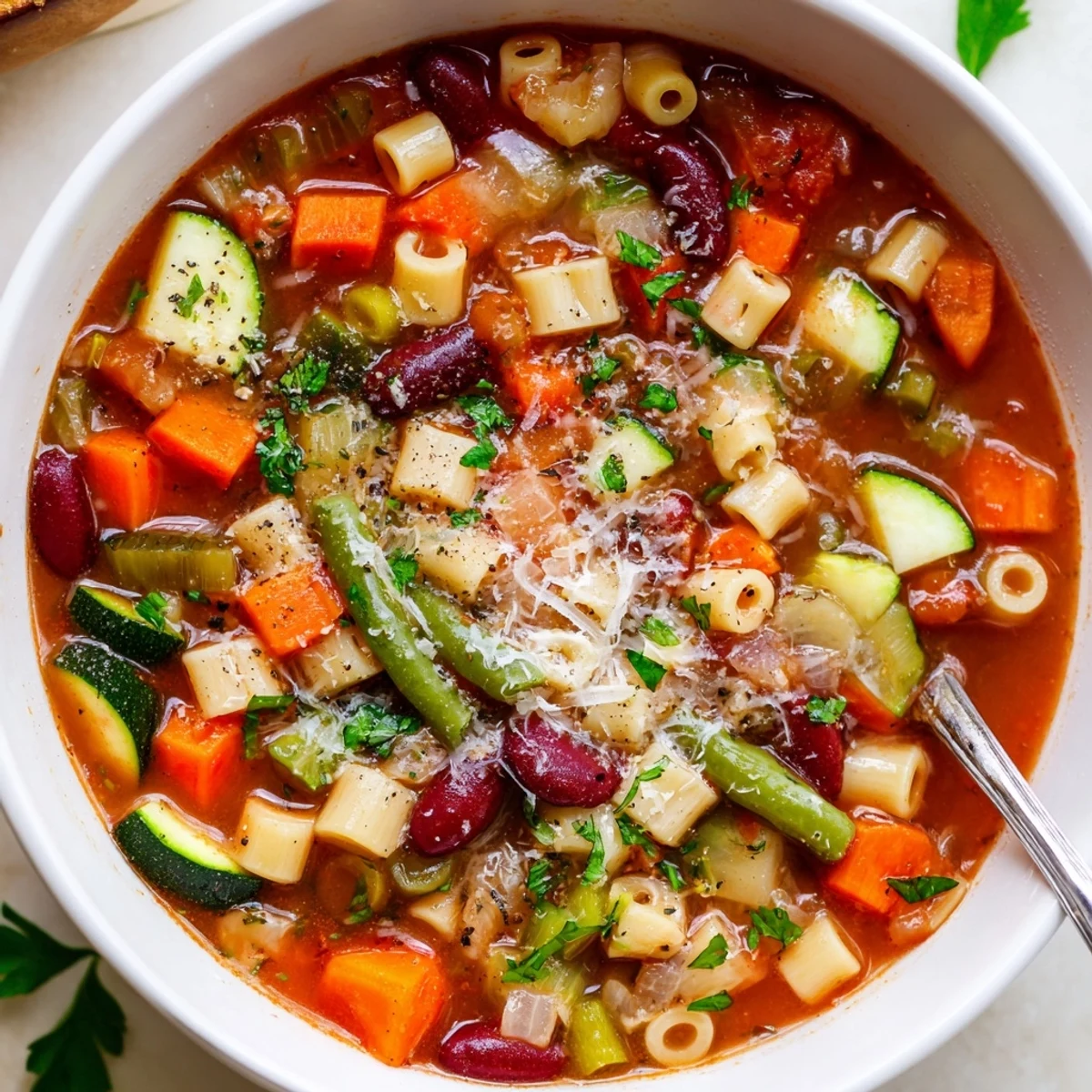
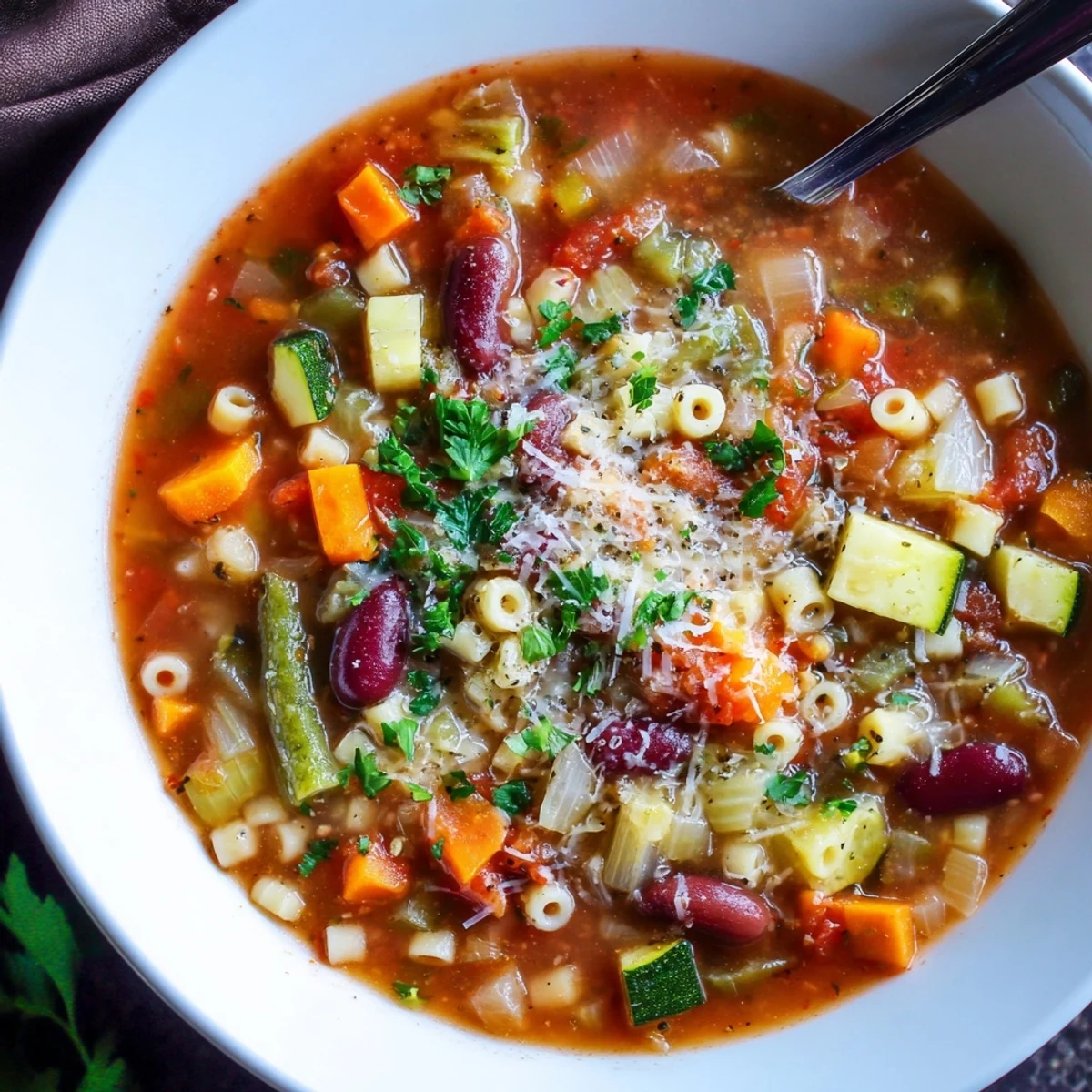
 Minestrone combines sautéed onion, carrot and celery with garlic, zucchini, potato and green beans, then simmers with canned tomatoes, cannellini and kidney beans in vegetable broth. Small pasta is added near the end so it cooks tender without turning mushy. Serve hot with chopped parsley and optional grated Parmesan. Swap seasonal greens, use gluten-free pasta for wheat-free or omit cheese for a vegan finish. Yields six servings; total time about one hour.
The rain was hammering against my kitchen window so hard that October afternoon that I almost didnt hear the pot boiling over. I had been staring at a sad collection of half used vegetables in my crisper drawer, wondering if they could amount to anything worth eating, when the idea for minestrone practically shouted itself at me. Two hours later, my neighbor knocked on my door asking what smelled so incredible, and I ended up feeding half the hallway. That pot of soup turned a gloomy Tuesday into something worth remembering.
I started making this minestrone every Sunday through one particularly long winter, filling mason jars and handing them out like some kind of soup fairy. My friend Marcus, who normally survives on takeout, texted me a photo of his own attempt at it three weeks later with the caption: look at me im a chef now. That jar of soup sitting in his otherwise empty fridge told me everything I needed to know about how food finds its way into peoples lives when you share it without thinking too hard.
Ingredients
- Olive oil (2 tbsp): Dont skimp here because this is the flavor foundation that everything else builds on, and a good extra virgin makes a quiet but real difference.
- Onion (1 medium, diced): Yellow onion works best for its natural sweetness, and cutting it small ensures it melts into the broth rather than chunking up.
- Carrots (2 medium, diced): They add a subtle sweetness that balances the acidity of the tomatoes, and dicing them to match the celery keeps every spoonful consistent.
- Celery (2 stalks, diced): This is the quiet hero of the soffritto base, and skipping it will leave your soup tasting like something is mysteriously missing.
- Garlic (2 cloves, minced): Fresh garlic only, pressed or sliced paper thin, because the pre jarred stuff tastes like disappointment in comparison.
- Zucchini (1 small, diced): It breaks down beautifully during simmering and thickens the broth in the most satisfying way.
- Potato (1 small, peeled and diced): A waxy variety like Yukon Gold holds its shape while releasing just enough starch to give body to the liquid.
- Green beans (1 cup, chopped): Snap off the ends before chopping, and cut them into bite sized pieces so you dont end up chasing strings around your bowl.
- Diced tomatoes (1 x 14 oz can, with juices): The liquid from the can goes straight in because it is packed with concentrated tomato flavor.
- Vegetable broth (6 cups): A good quality boxed broth works great, and if you have homemade stock hidden in your freezer this is its moment to shine.
- Cannellini beans (1 x 15 oz can, drained and rinsed): Rinsing removes the starchy liquid that can make soup cloudy, and these cream colored beans practically dissolve into the broth.
- Red kidney beans (1 x 15 oz can, drained and rinsed): They hold their shape and add a meaty texture that makes this vegetarian soup feel genuinely substantial.
- Small pasta (3/4 cup, such as ditalini): Tiny shapes work best because they distribute evenly throughout the soup instead of clumping together at the bottom.
- Dried oregano (1 tsp): Rub it between your palms before adding to wake up the essential oils and release far more flavor than shaking it straight from the jar.
- Dried basil (1 tsp): It infuses the broth with a gentle herbal note that ties all the vegetables together without overpowering anything.
- Bay leaf (1): Do not forget to fish this out before serving because biting into one is an unpleasant surprise I have made more times than I care to admit.
- Salt and black pepper (to taste): Season gradually and taste as you go because you can always add more but you can never take it back.
- Fresh parsley (2 tbsp, chopped, optional): A handful stirred in at the end brightens everything up and makes it taste freshly finished.
- Parmesan cheese (grated, to serve, optional): A generous shower of it over each bowl adds a salty, nutty finish that pulls the whole dish together beautifully.
Instructions
- Build the flavor base:
- Warm the olive oil in your largest pot over medium heat until it shimmers, then add the onion, carrots, and celery. Stir them occasionally for about 5 minutes, watching the onion turn translucent and catching that first sweet, savory aroma that tells you the foundation is set.
- Welcome the hearty vegetables:
- Stir in the garlic, zucchini, and potato, letting them cook together for another 3 minutes. The garlic will fill your kitchen with that unmistakable fragrance, and the edges of the potato will just begin to soften.
- Add the green beans and tomatoes:
- Toss in the chopped green beans and pour the entire can of diced tomatoes in with their juices, stirring everything until the colors mingle into a vibrant, promising medley.
- Pour in the broth and beans:
- Add the vegetable broth, both cans of rinsed beans, oregano, basil, bay leaf, and a generous pinch of salt and pepper. Give it one thorough stir, then bring the whole pot to a rolling boil before dropping the heat to a gentle simmer for 15 minutes.
- Cook the pasta right in the soup:
- Stir in the small pasta and let everything bubble gently for another 10 minutes until the noodles are tender and the vegetables yield easily to a fork. The pasta will release starch into the broth and thicken it slightly, which is exactly what you want.
- Finish and serve:
- Remove and discard the bay leaf, then taste the broth and adjust the salt and pepper. Ladle into wide bowls, scatter with parsley and a generous blanket of grated Parmesan if you are using it, and serve while steam is still rising.
 Save to Pinterest
 One evening I brought a thermos of this minestrone to a friend who was recovering from surgery and could barely stand long enough to boil water. She called me the next morning to say she had eaten three bowls while binge watching cooking shows, and that the soup had somehow made her feel like the world was still turning in the right direction.
Making It Your Own
The beauty of minestrone is that no two pots ever have to be the same, and the best versions I have made came from simply using whatever needed to be used up. Toss in a handful of spinach during the last two minutes, swap the potato for sweet potato in autumn, or throw in half a cup of shredded cabbage for extra heartiness. Once you understand the basic rhythm of building flavor and simmering until everything melds, the recipe becomes a conversation between you and whatever is in your kitchen.
Storing and Reheating
This soup keeps beautifully in the refrigerator for up to four days, and I genuinely believe it reaches its peak flavor around day two when all the ingredients have had time to get acquainted. Let it cool completely before transferring to airtight containers, and always reheat gently on the stove rather than nuking it at full power, which can turn the pasta to mush. A splash of extra broth or water when reheating brings it back to the perfect consistency if it has thickened overnight.
Serving Suggestions and Final Thoughts
A hunk of crusty bread on the side is not optional in my house because you need something to mop up every last drop of that brothy, beany liquid. A simple side salad with a sharp vinaigrette cuts through the richness and turns this into a complete meal that feels far more intentional than it actually is.
- Drizzle each bowl with your best olive oil right before serving for a silky, restaurant quality finish.
- A pinch of red pepper flakes added to each bowl gives the whole thing a gentle, warming kick.
- Always taste the soup one last time right before serving because seasonings can settle and shift as it sits.
 Save to Pinterest
 Minestrone is less of a recipe and more of a philosophy about gathering whatever is good and letting it become something greater together. Make it once and it becomes yours forever.
Recipe FAQs
- → Can I make this ahead?
-
Yes. The flavors deepen after resting. Cool quickly, refrigerate in an airtight container for up to 4 days, and reheat gently. If possible, hold pasta separate and add when serving to preserve texture.
- → How do I prevent mushy pasta?
-
Add the small pasta only during the final 10 minutes of cooking and test for al dente. Alternatively, cook pasta separately and stir into the soup just before serving.
- → What bean swaps work well?
-
Cannellini and kidney beans are classic, but borlotti, navy beans or chickpeas are fine. Use canned beans for convenience or pre-soak and cook dried beans until tender before adding.
- → Which seasonal vegetables can I use?
-
Summer: add zucchini, summer squash or fresh tomatoes. Fall/winter: use cabbage, kale or pumpkin. Add delicate greens like spinach at the end so they wilt but retain color.
- → How can I make it gluten-free or dairy-free?
-
Use gluten-free small pasta or skip pasta and add extra beans and vegetables. For dairy-free, omit the Parmesan or use a plant-based alternative for serving.
- → Storage and freezing tips?
-
Refrigerate for up to 4 days or freeze portions for 2–3 months. If freezing, consider undercooking the pasta slightly or omitting it, then add freshly cooked pasta when reheating.