
 Save to Pinterest
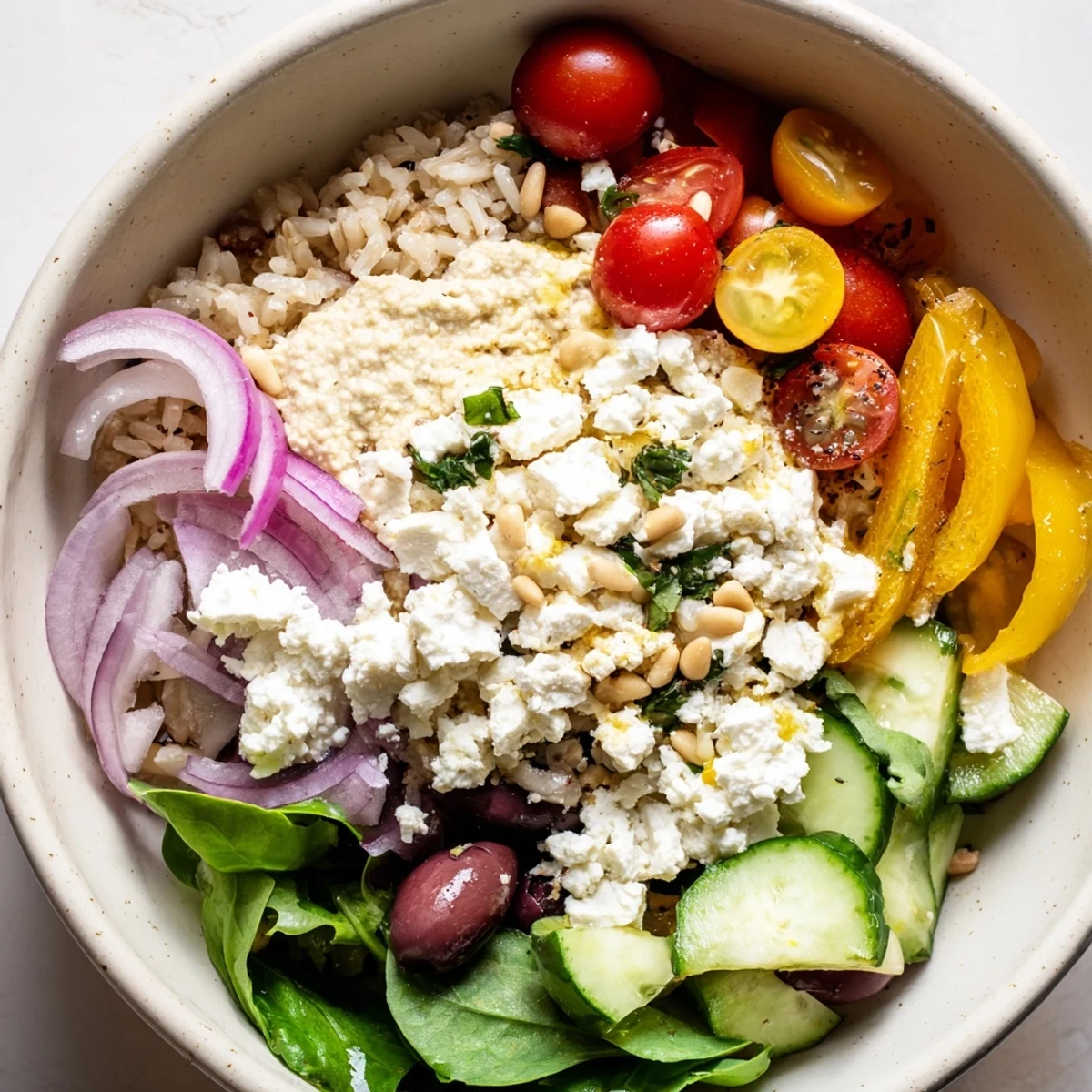
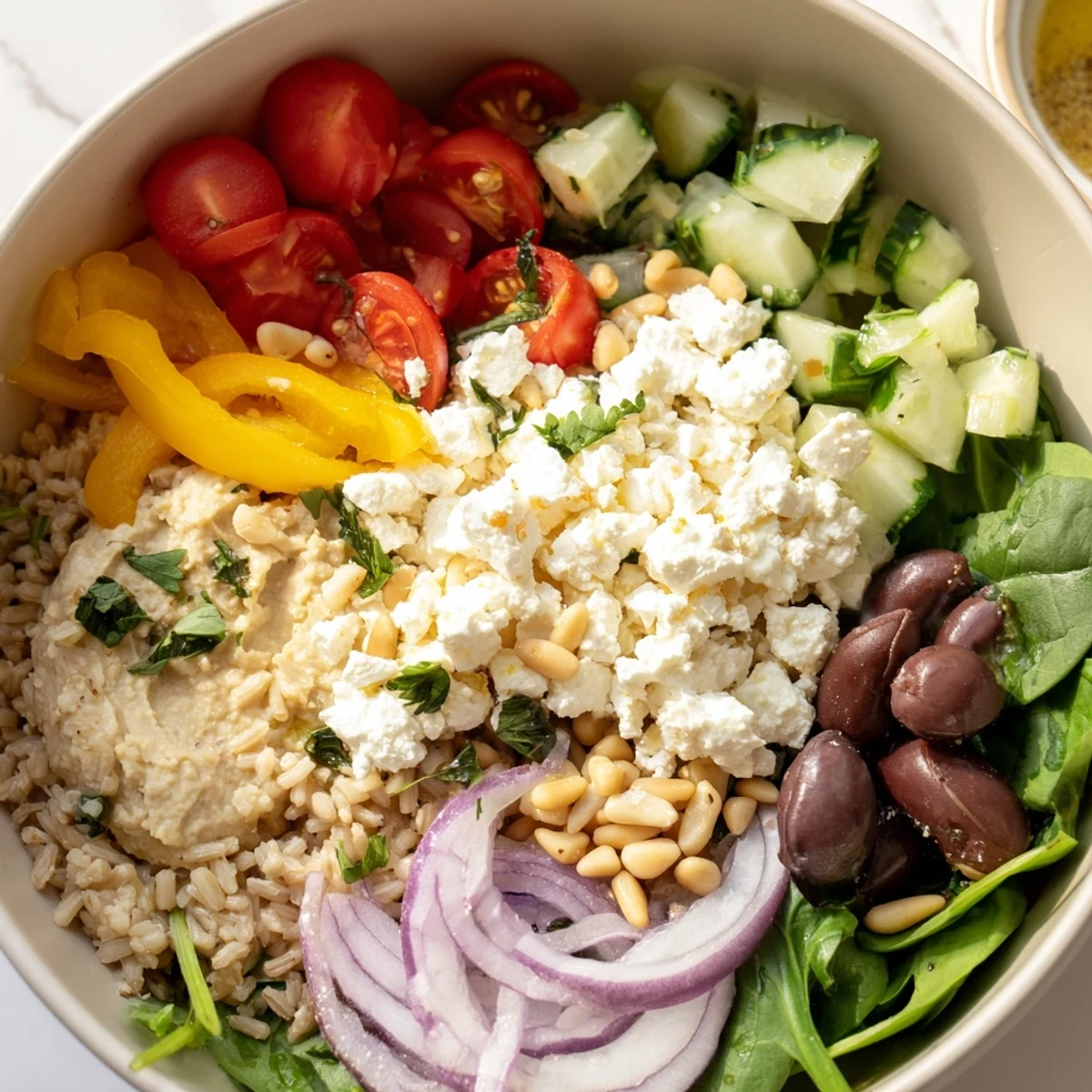
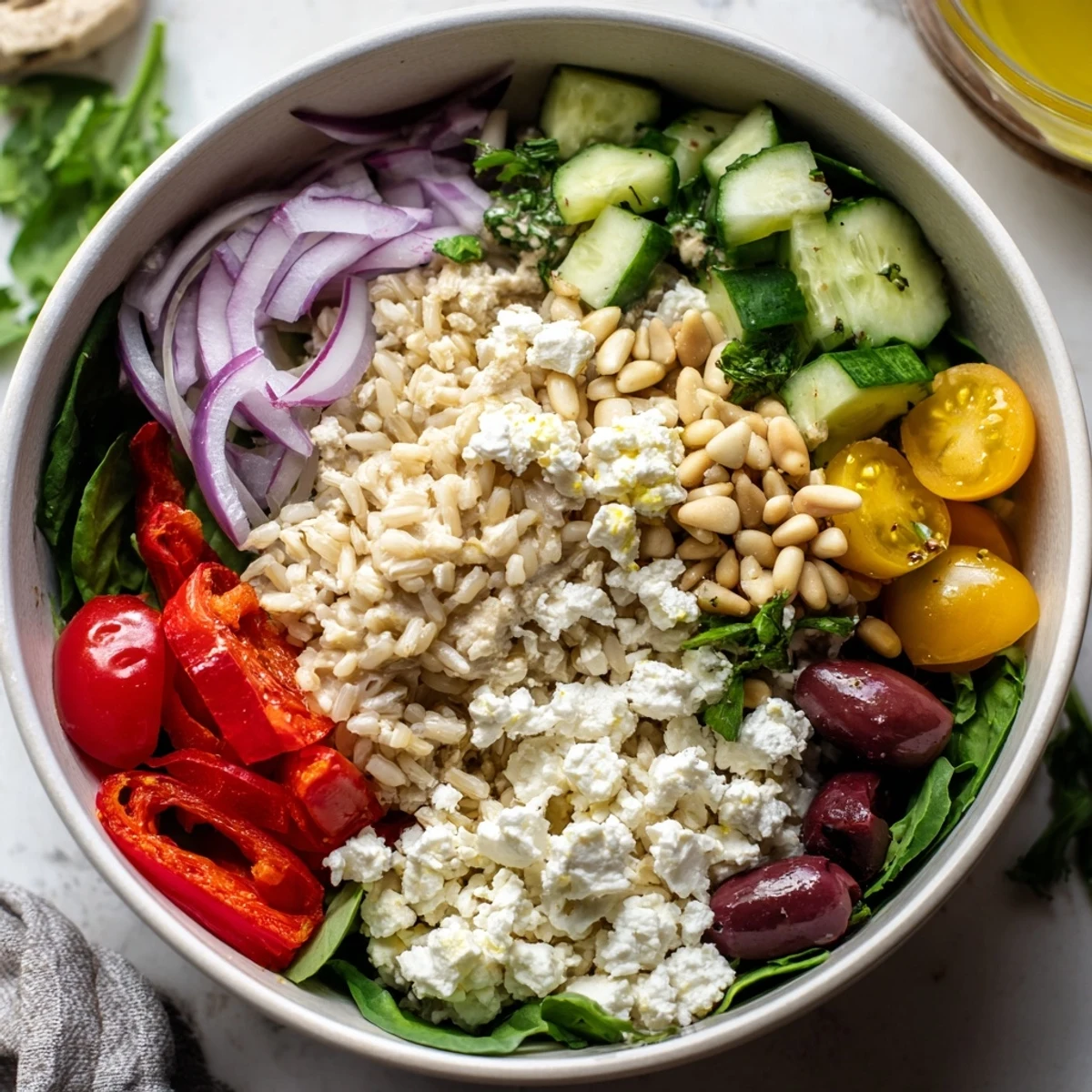
 This Mediterranean hummus bowl combines creamy hummus with fresh cherry tomatoes, cucumber, red onion, and mixed greens. Topped with Kalamata olives, feta cheese, roasted red peppers, pine nuts, and parsley, it’s drizzled with a lemon-garlic olive oil dressing. A light yet satisfying dish ready in 20 minutes, perfect for lunch or dinner. Optional grains and variations accommodate dietary preferences, offering a wholesome, flavorful meal.
There's something about a bowl of hummus that stops me mid-afternoon, every single time. I discovered this particular arrangement while standing in my kitchen on a Tuesday, staring at half a container of hummus and thinking about how tired I was of the same sad desk lunch. The vegetables came together almost by accident—whatever was in the crisper drawer that hadn't started to wilt—but the moment I drizzled that garlicky olive oil over everything, I understood why Mediterranean cooking feels like a conversation between flavors instead of a recipe.
I made this for my sister on a Saturday when she texted that she was bringing her new partner over and everyone needed to eat something. I was nervous about impressing someone I'd never met, so naturally I chose a bowl of vegetables and chickpea paste—but something about the casualness of it, the way you could see every component and choose what you wanted, made the whole thing feel generous instead of lazy. By the end of lunch, they were both scraping the bottom of their bowls and asking if I could email them the recipe.
Ingredients
- Hummus (2 cups): Buy it or make it, but either way, this creamy base is your canvas—it should be smooth enough to spread but thick enough to hold the vegetables' weight without slumping.
- Cooked brown rice or quinoa (2 cups, optional): Add this if you want the bowl to feel more like dinner, less like a fancy snack; it also soaks up that dressing beautifully.
- Cherry tomatoes (1 cup, halved): Pick them when they're almost too sweet to eat raw, because that's exactly when they belong in this bowl.
- Cucumber (1 cup, diced): The cool, watery crunch that makes everything else taste brighter and keeps your mouth from getting overwhelmed by richness.
- Red onion (1/2 cup, thinly sliced): A little sharp bite that wakes up your palate, though you can soak the slices in ice water for five minutes if you prefer them gentler.
- Baby spinach or mixed greens (1 cup): These add a subtle earthiness and the visual reminder that yes, there are vegetables in here.
- Kalamata olives (1/2 cup, pitted and sliced): Briny and slightly fruity, they're the flavor note that makes people sit up straighter and ask what you put in this.
- Feta cheese (1/2 cup, crumbled): The salty, tangy anchor that keeps everything from tasting one-dimensional; use vegan feta if you need to, but this is where it earns its place.
- Roasted red peppers (1/4 cup, sliced): Buy them jarred if your life is busy—there's no shame in it, and they're already caramelized and perfect.
- Toasted pine nuts (1/4 cup): Toast them yourself for thirty seconds in a dry pan and fill your kitchen with a smell that makes you understand why people write poetry about food.
- Fresh parsley (2 tbsp, chopped): The green flick at the end that says someone cared about how this looked, even if it's just you eating it alone.
- Extra virgin olive oil (3 tbsp): Use one you actually like drinking, because you can taste the difference here, and cheap oil will betray you.
- Lemon juice (1 tbsp): Freshly squeezed if you have the energy, bottled if you don't, but either way it brightens everything like someone turned up the volume on the colors.
- Garlic clove (1, minced): Raw garlic in the dressing is what separates this from a sad vegetable platter—don't skip it and don't be shy.
- Sea salt and black pepper (1/4 tsp each): Season as you taste; these are just the starting point.
Instructions
- Make the dressing first:
- Whisk the olive oil, lemon juice, minced garlic, salt, and pepper in a small bowl until they stop looking like three separate things and become something golden and unified. This takes about a minute, and you'll know it's right when the garlic is evenly distributed and the whole thing smells like a Mediterranean afternoon.
- Build your canvas:
- Divide the hummus among four bowls in an even layer, using the back of a spoon to create a shallow well in the center if you're feeling artistic. If you're adding rice or quinoa for substance, layer that under the hummus so it catches the dressing and becomes part of the whole picture instead of just sitting on top.
- Arrange the vegetables with intention:
- Place the tomatoes, cucumber, red onion, and greens around the hummus like you're setting a table for someone you actually like; the way it looks matters because you eat with your eyes first. This is where you get to decide if you want everything neat and organized or tumbled together like you just grabbed things from the market.
- Crown it with the good stuff:
- Scatter the olives, feta, roasted peppers, and pine nuts over the top, making sure each component is visible and gets its moment. This is the part where your bowl stops being practical and starts being something you want to photograph, even if you're not that person.
- Dress and serve:
- Drizzle the dressing over everything in a slow spiral, letting it pool slightly in that well you made in the hummus. Finish with a shower of fresh parsley and serve right away while the vegetables still have their snap and the feta is still cold against the warm dressing.
 Save to Pinterest
 My favorite moment with this bowl happened on a quiet evening when I made one just for myself and sat by the window with no phone in sight, just eating slowly and noticing how each flavor took its turn. It turned out I'd been so busy feeding other people, I'd forgotten that feeding myself well was also a form of saying yes to good things.
Why This Works as a Meal
This bowl exists in that perfect space between a salad and a proper dinner—it has enough going on to feel substantial, but it's light enough that you don't need a nap afterward. The hummus provides fat and protein, the vegetables give you nutrients and texture, and the olive oil dressing ties everything together with enough flavor that you're not eating out of obligation. I've learned that the best meals are the ones where every component is there because you actually want to taste it, not because a recipe told you to include it.
Building Flexibility Into Your Bowl
The honest truth is that this recipe is more of a template than a mandate—I've made it with roasted chickpeas instead of feta, with shredded carrots when cucumber wasn't in season, with berbere-spiced chickpeas when I was feeling a little less Mediterranean and a little more adventurous. The structure stays the same (hummus as base, vegetables arranged around it, dressing that brings everything into focus), but the details can shift based on what's in your kitchen or what you're craving that day.
Elevating It Beyond the Basic
If you want to turn this into something heartier, grilled chicken or falafel are obvious choices, but I've also added soft-boiled eggs, roasted chickpeas with smoked paprika, or even crumbled tempeh for a different kind of protein. The grain layer underneath can be whatever you have—couscous, millet, barley—and it all works because the dressing is flexible enough to taste right with any of it. Sometimes I add a drizzle of tahini under the main dressing, or a pinch of sumac over the top when I want everything to taste a little brighter and sharper.
- Pair this with warm pita bread if you want to scoop instead of eat with a fork, and suddenly it's a different meal entirely.
- A glass of cold white wine or sparkling water with lemon makes this feel like an event instead of just lunch.
- If you're making this for other people, set out small bowls of extra toppings and let everyone build their own—it turns lunch into something interactive and generous.
 Save to Pinterest
 There's something quietly powerful about sitting down to a bowl where you can see every ingredient and taste each one clearly, without anything hidden or overdone. This recipe taught me that sometimes the most satisfying meals are the simplest ones, built on good ingredients and the knowledge that you made something that fed both your body and your actual desire to eat something delicious.
Recipe FAQs
- → Can I substitute the feta cheese?
-
Yes, for a vegan or dairy-free option, substitute feta with plant-based cheese or omit it entirely.
- → What grains can I add for more substance?
-
Cooked brown rice or quinoa can be layered under the hummus to make the bowl heartier.
- → How should I prepare the dressing?
-
Whisk together extra virgin olive oil, lemon juice, minced garlic, salt, and pepper in a small bowl before drizzling over the bowl.
- → Can the vegetables be varied?
-
Absolutely, seasonal vegetables or preferred fresh produce can be substituted to suit taste and availability.
- → What are suitable serving suggestions?
-
Serve immediately, optionally alongside warm pita bread or fresh greens for a complete meal experience.