
 Save to Pinterest
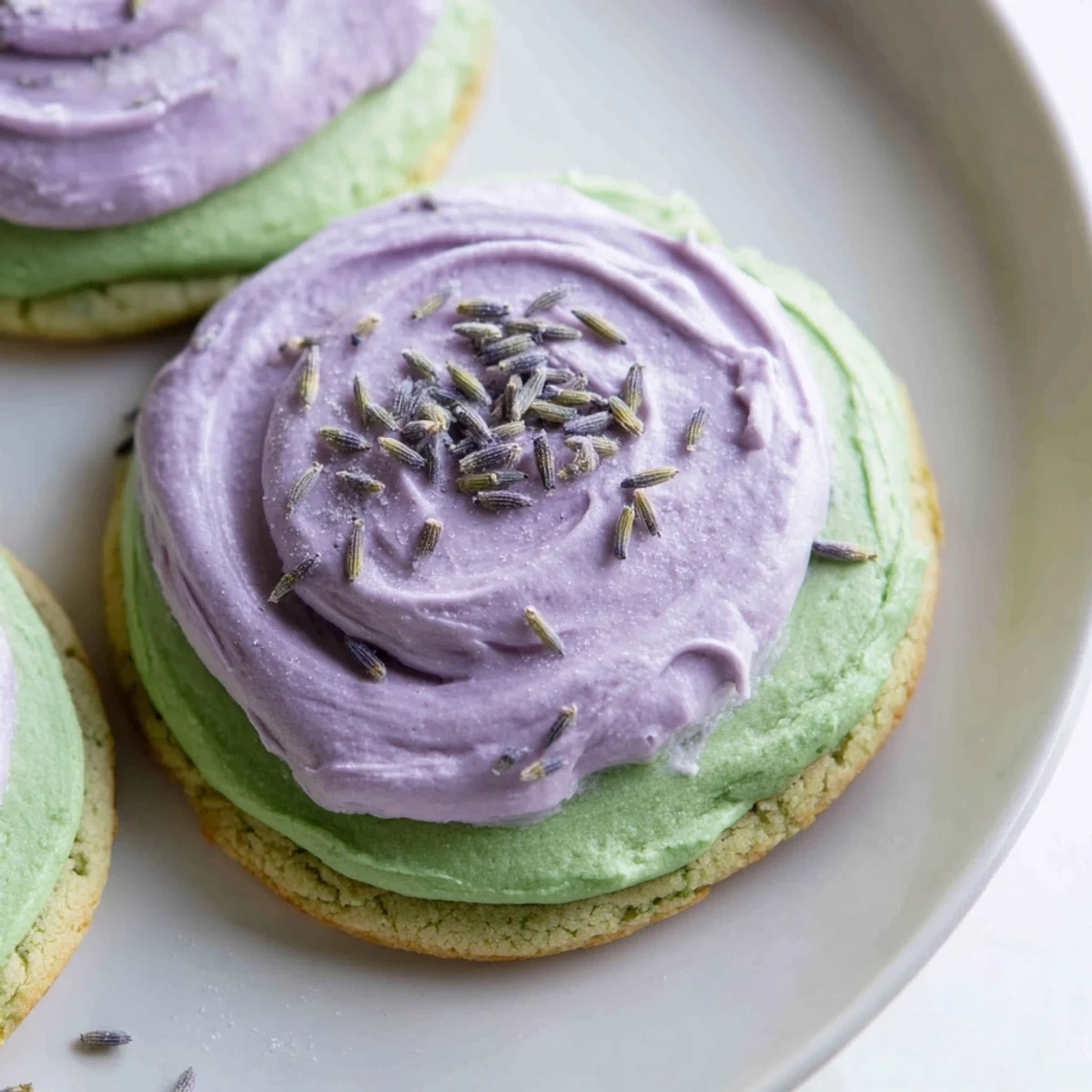
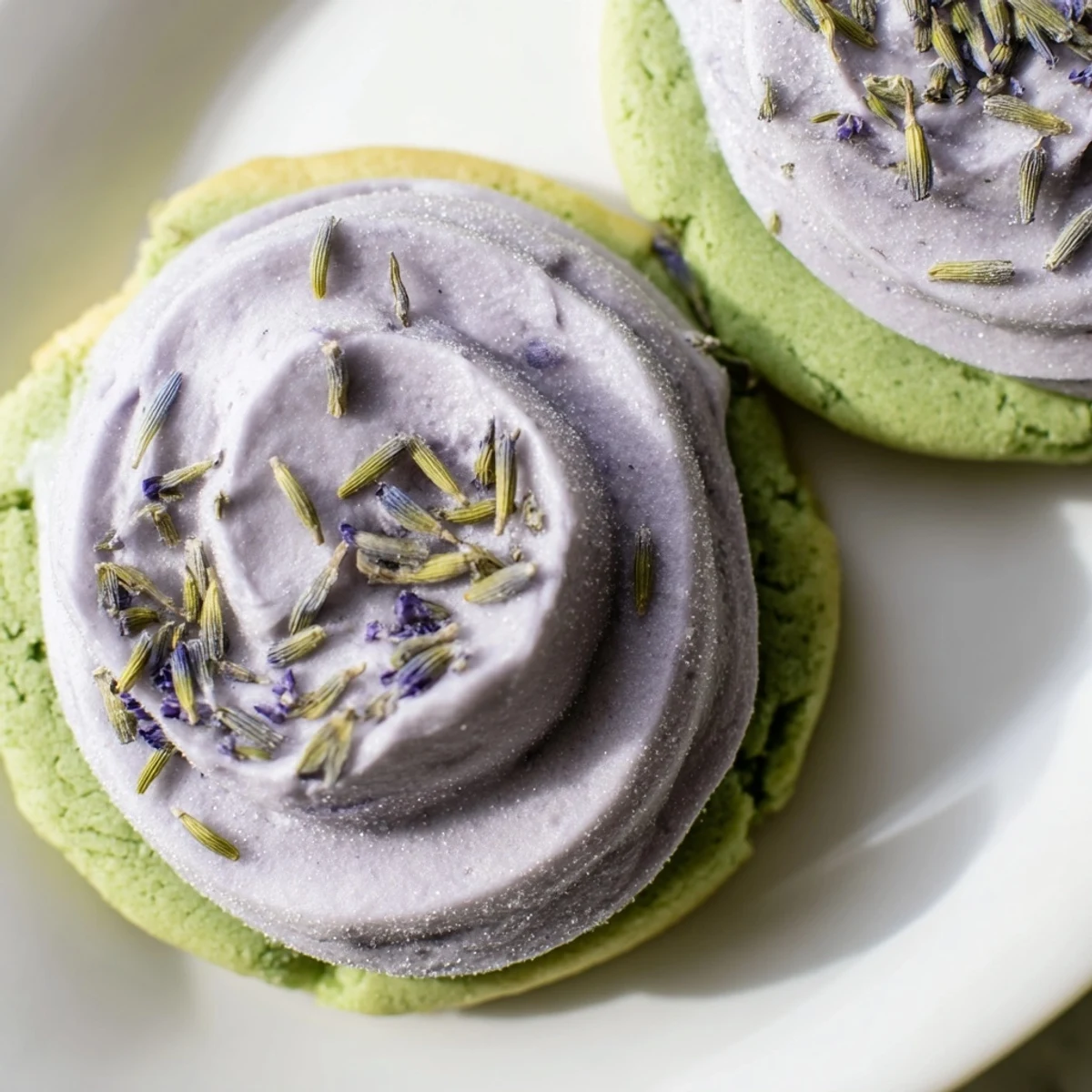
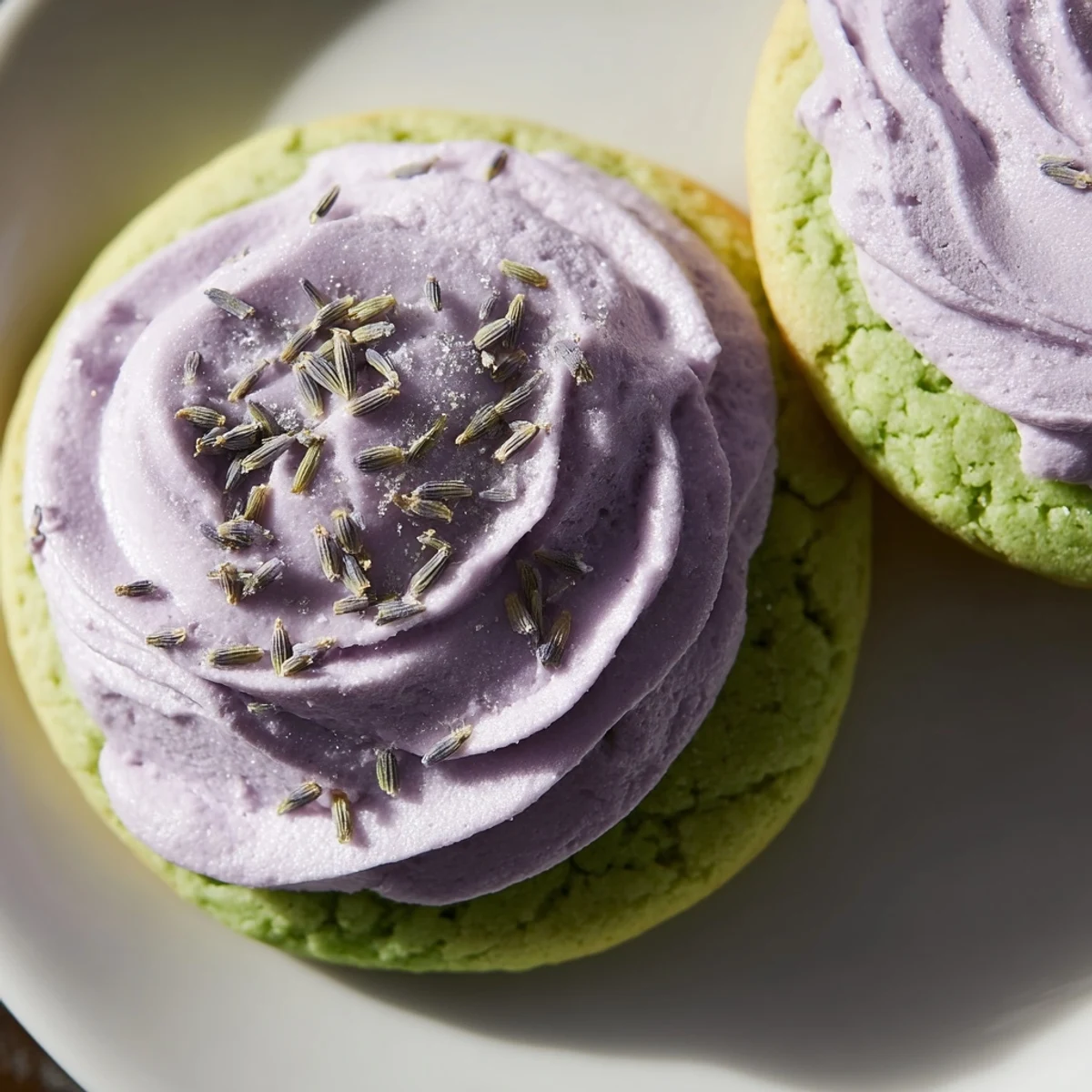
 These delicate matcha sugar cookies combine Japanese green tea powder with classic French buttercream techniques. The earthy matcha flavor balances beautifully against the floral lavender frosting, creating an elegant fusion dessert. Each batch yields 24 perfectly portioned treats ideal for afternoon tea service or special gatherings. The dough comes together quickly with just 25 minutes of prep, followed by a short 12-minute bake. Allow adequate cooling time before applying the silky lavender buttercream, which gets its subtle floral notes from finely ground culinary lavender buds and a hint of vanilla.
The first time I brought these to a book club meeting, my friend Sarah actually paused mid conversation to stare at her cookie. She couldn't place the flavor at first, then her eyes lit up when the lavender hit her. Now she requests them for every gathering, and I've learned to double the batch because they disappear faster than any other treat I make.
Last spring I made these for my mother's birthday instead of a traditional cake. She's always been skeptical of anything 'trendy' like matcha, but she took one bite and quietly reached for a second cookie. Sometimes the best combinations are the ones that surprise you in the moment.
Ingredients
- All-purpose flour: The foundation of any good sugar cookie, providing structure while staying tender
- Culinary-grade matcha powder: Don't skimp here—ceremonial grade gives the best vibrant green color and smooth flavor
- Baking powder: Just enough to give these cookies a slight lift without making them cakey
- Sea salt: A pinch balances the sweetness and makes the matcha flavor pop
- Unsalted butter: Room temperature is non-negotiable for proper creaming and texture
- Granulated sugar: Creates that crisp edge and chewy center we love in sugar cookies
- Large egg: Binds everything together and adds richness
- Pure vanilla extract: A classic supporting player that enhances both matcha and lavender
- Powdered sugar: Sifting first prevents lumps in your silky frosting
- Culinary lavender buds: Grind these finely yourself for the freshest floral flavor
- Milk: Just enough to thin the frosting to spreadable consistency
Instructions
- Prep your space:
- Preheat oven to 350°F (175°C) and line two baking sheets with parchment paper
- Whisk the dry ingredients:
- In a medium bowl, combine flour, matcha powder, baking powder, and salt until well blended
- Cream butter and sugar:
- Beat butter and sugar with an electric mixer for 2-3 minutes until light and fluffy
- Add egg and vanilla:
- Mix until fully incorporated and the mixture looks smooth and glossy
- Combine everything:
- Gradually add dry ingredients on low speed, mixing just until the flour streaks disappear
- Shape the cookies:
- Scoop tablespoon portions, roll into balls, and place 2 inches apart on prepared sheets
- Flatten gently:
- Press each ball slightly with your palm or the bottom of a glass
- Bake to perfection:
- Bake for 10-12 minutes until edges are set but centers still look slightly soft
- Cool completely:
- Let them rest on the baking sheets for 3 minutes, then move to a wire rack
- Make the frosting:
- Beat butter until creamy, then gradually add powdered sugar, milk, ground lavender, vanilla, and salt until fluffy
- Frost and finish:
- Once cookies are completely cool, spread with frosting and garnish with lavender buds
 Save to Pinterest
 My neighbor's daughter asked if she could have the recipe to make for her school's international day. She came back beaming, saying her teacher kept the sample to show other classes. There's something special about a recipe that travels across generations and cultures so effortlessly.
Getting The Right Texture
I've learned that the humidity in your kitchen affects these more than most cookies. On rainy days, I chill the dough for 15 minutes before baking to prevent spreading too thin. The texture should be crisp at the edges and pleasantly chewy in the center, with that melt-in-your-mouth quality that makes people reach for seconds.
Working With Matcha
Matcha oxidizes and loses its vibrant color when exposed to air and light, so keep your container tightly sealed and store it in a dark place. I buy small quantities and use them within a month of opening. The brighter your matcha, the more gorgeous these cookies look on the plate.
Frosting Like A Pro
The secret to bakery-worthy frosting is temperature—everything should be cool but not cold. I grind my lavender buds in a clean coffee grinder right before mixing, which releases those aromatic oils that make the frosting taste freshly picked. A small offset spatula gives you those swoops and swirls that look professional but take seconds to achieve.
- Add a drop of purple food coloring for an extra touch of whimsy
- If frosting is too thick, add milk one teaspoon at a time
- Room temperature frosting spreads much more smoothly than cold
 Save to Pinterest
 Whether for afternoon tea or a midnight snack, these cookies have a way of making any moment feel just a little more special. Enjoy every bite.
Recipe FAQs
- → What does matcha taste like in baked goods?
-
Matcha imparts a subtle earthy, grassy flavor with slight bitterness that balances sweetness. In these sugar cookies, it creates a delicate green tea taste that pairs harmoniously with the floral lavender notes.
- → Can I use dried lavender instead of fresh?
-
Yes, culinary-grade dried lavender buds work perfectly. Grind them finely before incorporating into the buttercream to ensure smooth texture. Always verify your lavender is labeled culinary-grade to avoid pesticides.
- → How should I store these cookies?
-
Store frosted cookies in an airtight container at room temperature for up to 3 days. For longer storage, keep unfrosted cookies in the freezer for up to 2 months and frost when ready to serve.
- → What makes these cookies fusion cuisine?
-
The combination showcases Japanese matcha powder blended with French buttercream frosting techniques, while lavender adds a classic Provencal touch. This East-meets-West approach creates distinctive flavor profiles.
- → Why is culinary-grade matcha important?
-
Culinary-grade matcha is specifically milled for baking and cooking, offering robust flavor that withstands heat. Lower grades may become bitter or lose vibrancy during baking, affecting both taste and presentation.