
 Save to Pinterest
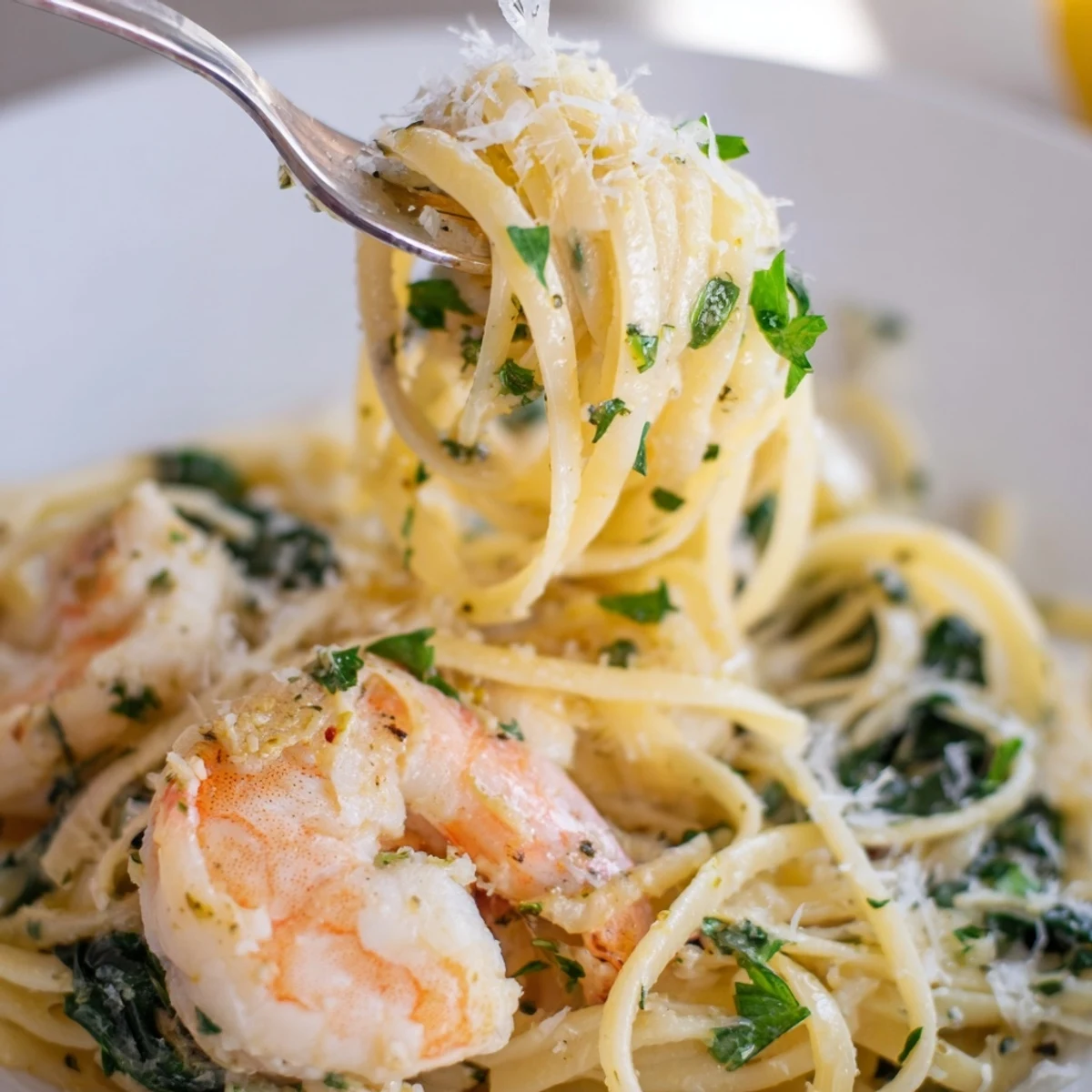
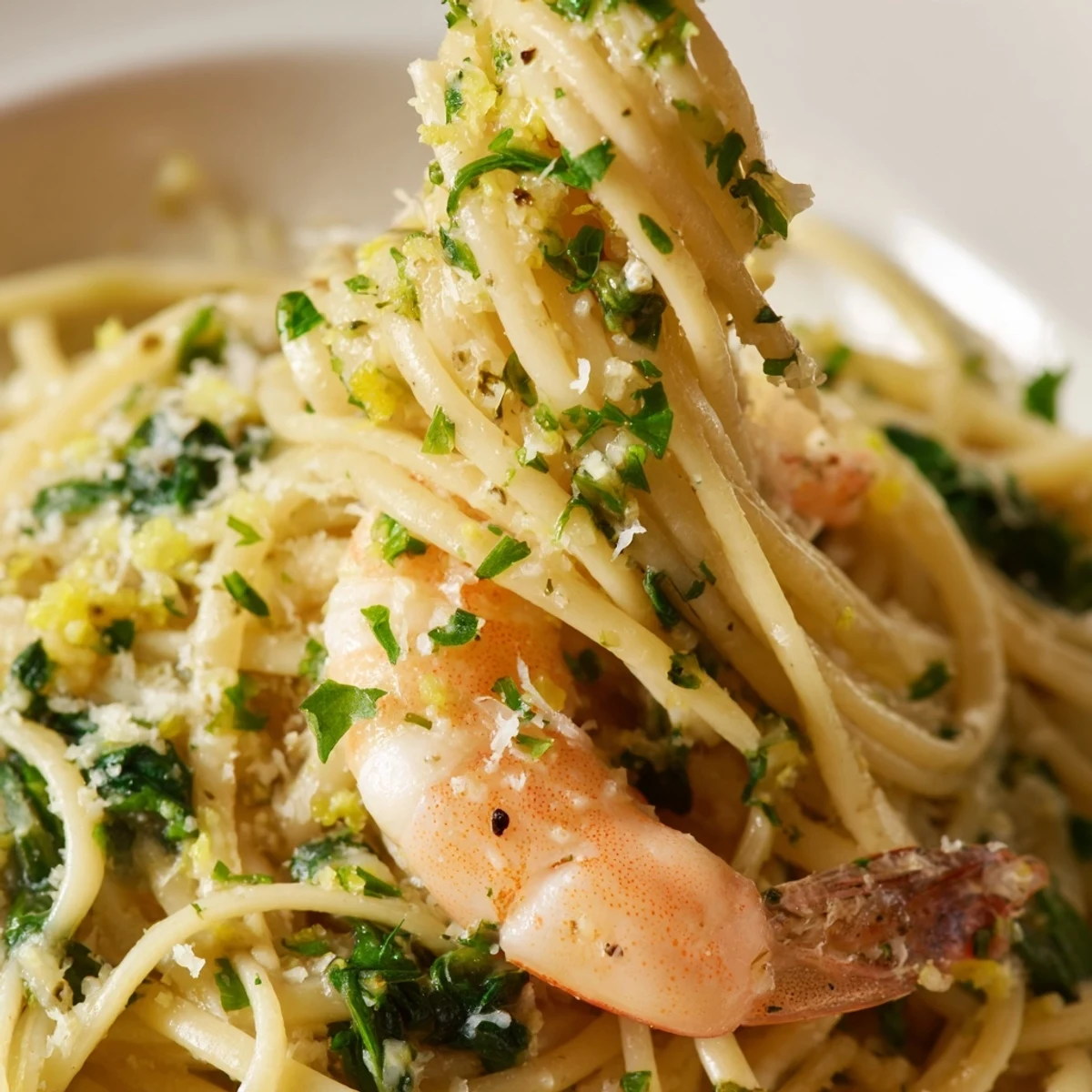
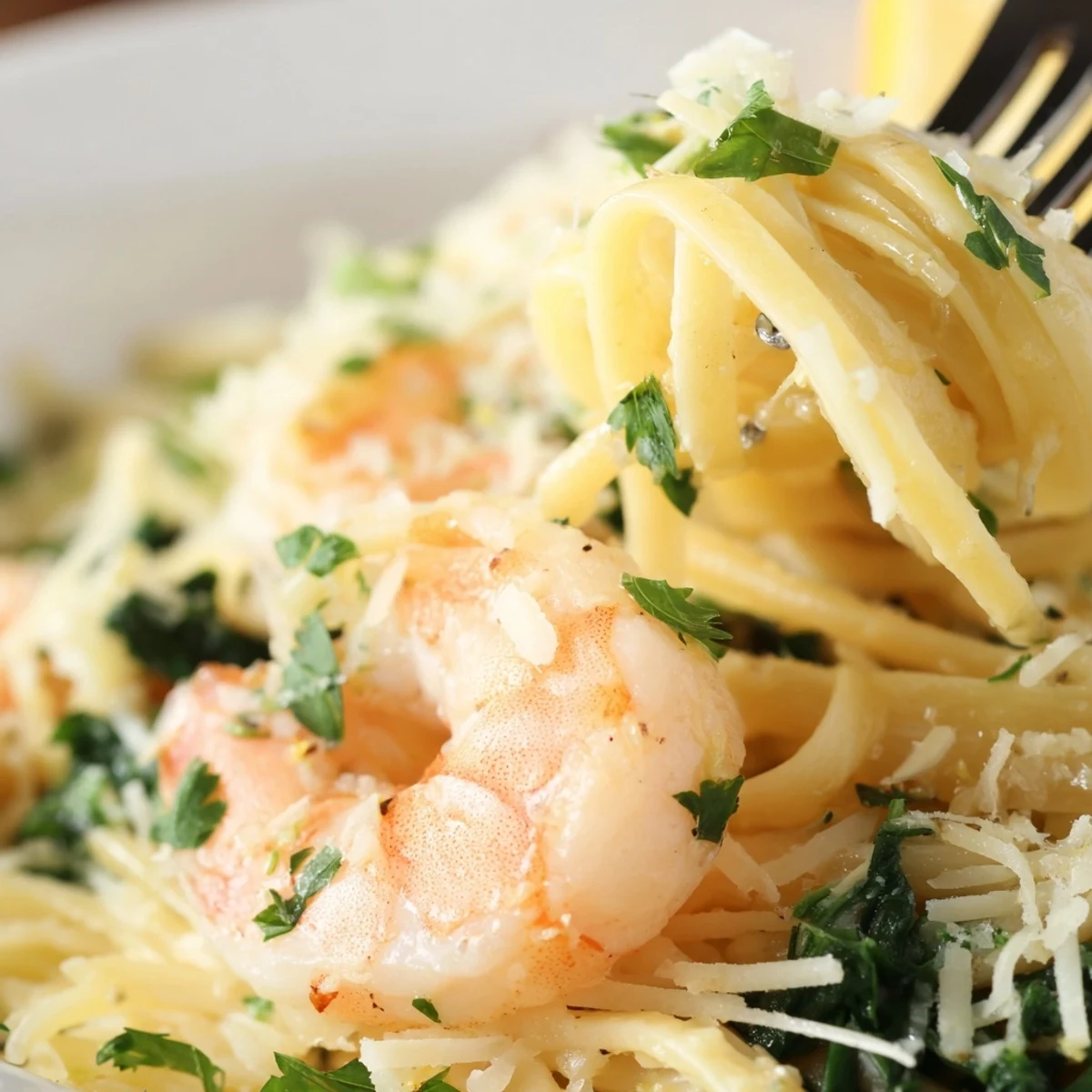
 This dish combines tender shrimp with fresh spinach and linguine, all coated in a bright, silky lemon-garlic sauce. Garlic and a hint of red pepper flakes add warmth while white wine enhances the depth. The spinach wilts gently, adding vibrant color and nutrition. Butter enriches the sauce, making every bite smooth and flavorful. Ready in about 30 minutes, it’s an easy, elegant meal perfect for pescatarian menus. Optional touches include Parmesan cheese and extra cream for richness.
There's something about the smell of garlic hitting hot oil that makes me stop whatever I'm doing in the kitchen. One weeknight, I was rushing through dinner prep when I tossed shrimp into a skillet with nothing but olive oil and garlic, and somehow the simplicity of it—the way those pale pink curves turned golden in seconds—made me slow down. That's when this dish came together, a pasta that feels indulgent but takes barely half an hour from start to finish.
I made this for someone who said they didn't eat seafood, and after one bite of that buttery, lemony pasta dotted with spinach, they asked for seconds. It was one of those small kitchen victories that reminded me how often we underestimate what a good meal can do—not just satisfy hunger, but shift someone's mind.
Ingredients
- Linguine or spaghetti (340 g): Thinner pasta holds onto the sauce better than thicker shapes, and it cooks in roughly the same time as everything else in the pan.
- Large shrimp (450 g), peeled and deveined: Buy them this way if your budget allows—it cuts your active cooking time in half and means you can focus on getting the sauce right.
- Kosher salt and freshly ground black pepper: Season the shrimp generously before cooking; it's your only chance to build flavor into them before they hit the pan.
- Olive oil (2 tbsp): Use something you like to taste, not your most expensive bottle but not the bottom-shelf stuff either.
- Garlic (4 cloves), minced: Mince it fresh and add it right when you're ready to cook so the smell doesn't fade before the oil even gets hot.
- Red pepper flakes (1/4 tsp, optional): A pinch adds a whisper of heat that wakes up the lemon without overwhelming it; skip this only if you're cooking for someone who finds any spice threatening.
- Dry white wine or chicken broth (120 ml): The wine brings complexity and a slight acidity that brightens the sauce, but honest broth works just as well and costs less.
- Lemon (1 large): Zest it before you juice it, and don't skip either—the zest gives brightness while the juice provides acidity that ties everything together.
- Fresh baby spinach (100 g): It wilts down to almost nothing, so don't be shy with how much you add; what looks like too much pasta topping becomes the perfect amount.
- Unsalted butter (2 tbsp): This final addition is what makes the sauce feel silky and luxurious without needing cream.
- Fresh parsley (2 tbsp), chopped: Sprinkle it on at the very end so it stays bright and doesn't fade into the warm pasta.
- Parmesan cheese: Optional, but the nutty, salty funk of it against the lemon is something special.
Instructions
- Get your pasta water ready:
- Fill a large pot with salted water—it should taste like a salty sea—and bring it to a rolling boil. You'll need this starchy water later to build your sauce, so don't skip reserving a cup of it after you drain the pasta.
- Cook the pasta:
- Add linguine or spaghetti and stir it once so it doesn't stick to itself. Cook until al dente, about 9 to 12 minutes depending on the brand, but start tasting at the 8-minute mark so you catch it at that perfect tender-but-still-has-a-bite moment.
- Season and sear the shrimp:
- Pat your shrimp dry with paper towels—this is the one step that changes everything about how they brown. Scatter salt and pepper over them, then place them in a hot oil-slicked skillet in a single layer and resist the urge to move them for a full minute; let them take on that beautiful golden color before flipping for another minute.
- Build the garlic foundation:
- Once the shrimp are transferred to a plate, add minced garlic and red pepper flakes to the same skillet and cook for just 30 seconds, stirring constantly. You want the garlic fragrant but not brown, which happens faster than you'd think.
- Deglaze and reduce:
- Pour in your wine or broth, using a wooden spoon to scrape up all the caramelized shrimp bits stuck to the bottom of the pan. Let it bubble away for a couple of minutes so the raw wine taste mellows and some of the liquid evaporates.
- Add brightness and greens:
- Stir in the lemon zest and juice, then add the spinach in handfuls, stirring as it wilts down into silky ribbons. The whole thing should smell alive and sunny at this point.
- Bring it all together:
- Return the shrimp to the pan, add your drained pasta and butter, and toss everything so the butter melts into the sauce. If it looks dry, add reserved pasta water a splash at a time until you have a silky, clingy sauce that coats every strand.
- Finish and serve:
- Turn off the heat, scatter parsley over the top, and serve immediately with grated Parmesan if you like. This is not the kind of pasta that waits well, so eat it while it's still hot.
 Save to Pinterest
 The best version of this dish happened by accident one evening when I had only half the spinach I usually use but extra lemon because I'd squeezed it and forgot I'd already added the juice. Instead of being a disaster, that imbalance turned into something even brighter, and it taught me that recipes are more like suggestions than laws, and sometimes the best meals come from small mistakes.
Why This Pasta Works Every Time
The speed is part of the appeal, but what really makes this dish work is the balance between acid, salt, and fat. The lemon cuts through the richness of the butter and oil, the garlic adds depth, and the shrimp brings sweetness that plays beautifully against all of it. There's nothing complicated happening here, just five or six simple flavors layered in the right order, which is often the secret to a meal that feels both easy and impressive.
Variations That Still Taste Like Home
This dish is forgiving enough to handle a few substitutions without losing its soul. You can swap the spinach for arugula if you want something peppery, or use white beans instead of shrimp if you need to keep it vegetarian. A splash of heavy cream stirred in at the end adds richness, though honestly the pasta water does most of that work already. Some evenings I add a handful of cherry tomatoes that I've sautéed until they burst, and suddenly the dish feels different but still recognizably itself.
A Few Last Details
The texture of this pasta depends on how much of that reserved starchy water you use—add it slowly and taste as you go, because once you've added too much, you're stuck with a thin sauce. If you're making this for someone who avoids gluten, the dish works perfectly well with a good gluten-free pasta, though the texture of the sauce might cling slightly differently. Don't let that stop you.
- If your shrimp are smaller than large, reduce the cooking time by 30 seconds per side so they don't turn into tiny, rubbery circles.
- Zest your lemon over the pan of sauce so the oils from the zest fall directly into the heat and bloom.
- Serve in shallow bowls rather than on flat plates, so the silky sauce pools where it should instead of spreading everywhere.
 Save to Pinterest
 This is the kind of dinner that reminds you why cooking for yourself or someone else matters, not because it's complicated, but because it's simple enough that you can focus on the people across the table instead of the stove. That's where the real meal lives.
Recipe FAQs
- → What pasta works best with lemon garlic shrimp?
-
Linguine or spaghetti are ideal as they hold the sauce well and complement the shrimp texture.
- → How can I make the sauce silkier?
-
Adding reserved pasta water and butter gradually helps create a smooth, glossy sauce that coats all ingredients.
- → Can I substitute white wine in the sauce?
-
Chicken broth or vegetable broth can be used as an alternative, providing a mild flavor without alcohol.
- → What’s the best way to cook shrimp for this dish?
-
Cook shrimp quickly over medium-high heat until just opaque to maintain tenderness and flavor.
- → How do I incorporate spinach without overcooking?
-
Add fresh baby spinach towards the end and cook just until wilted to preserve its vibrant color and texture.