
 Save to Pinterest
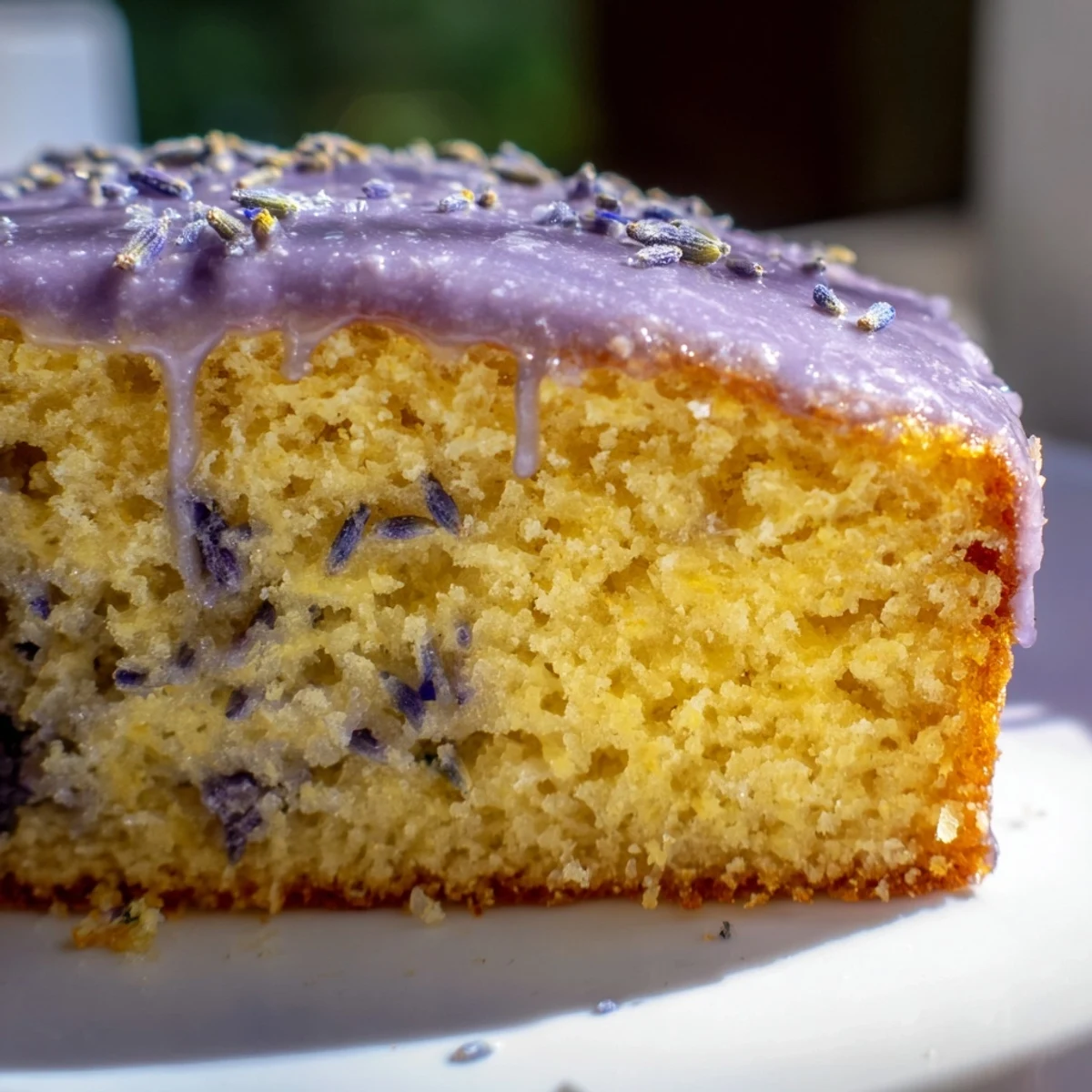
 This delicate lavender cake combines the subtle floral notes of culinary lavender buds with a tender, moist crumb. The optional lavender syrup soaking adds extra moisture and depth of flavor, while the fresh lemon glaze provides a bright, tangy contrast that perfectly complements the floral sweetness.
Ideal for afternoon tea, spring celebrations, or as an elegant finish to any meal, this cake serves eight and comes together in just 50 minutes. The medium difficulty level makes it accessible for home bakers looking to explore floral flavors in their baking.
Customize the intensity by adjusting the lavender quantity, or pair with Earl Grey tea for a sophisticated tasting experience. The vegetarian-friendly batter can be adapted for lactose-free diets with simple substitutions.
My grandmother grew lavender in that impossible corner of her garden where nothing else seemed to thrive. Id help her snip the fragrant buds in early summer, and she would slip them into sugar jars, letting the scent infuse for weeks before baking day. This cake captures that same dreamy quality floral without being overpowering, sweet without being cloying.
I first made this for a book club meeting, entirely unsure if floral dessert would be welcome. One bite in and the conversation stopped cold. We spent the next hour discussing tea parties, garden planning, and the surprising sophistication of flowers in cake.
Ingredients
- All-purpose flour: The foundation that holds everything together without competing with the delicate lavender flavor
- Baking powder and salt: Just enough lift and balance to keep the crumb tender and light
- Unsalted butter: Room temperature is non-negotiable here for proper creaming and aeration
- Granulated sugar: Creamed thoroughly into the butter until the mixture looks almost snowy
- Large eggs: Added one at a time, each fully incorporated before the next goes in
- Culinary lavender buds: Food grade only, and chop them finely to distribute the flavor evenly
- Vanilla extract: Pure vanilla bridges the gap between floral notes and sweet butter
- Whole milk: Brings moisture and richness to the batter without overwhelming the lavender
- Water and extra sugar: For the optional syrup that keeps the cake exceptionally moist
- Powdered sugar: Sift it first or you will never get the glaze perfectly smooth
- Fresh lemon juice: The bright acidity cuts through the floral sweetness perfectly
Instructions
- Getting your oven ready:
- Preheat to 350°F and generously grease your 8-inch pan, then dust it with flour for easy release later
- Whisking the dry ingredients:
- Combine flour, baking powder, and salt in a bowl, then set it aside while you work on the wet ingredients
- Creaming butter and sugar:
- Beat them together until the mixture is pale and fluffy, which usually takes about 3 to 5 minutes of serious mixing
- Adding the eggs:
- Beat in one egg at a time, letting each disappear completely before adding the next
- Infusing the batter:
- Mix in the chopped lavender buds and vanilla until they are evenly distributed throughout
- Combining everything:
- Add the flour mixture and milk alternately, starting and ending with the flour, and stop mixing the moment you see no dry streaks
- Baking the cake:
- Pour the batter into your prepared pan, smooth the top, and bake for 25 to 30 minutes until a toothpick comes out clean
- Preparing the syrup:
- While the cake bakes, simmer water, sugar, and lavender for 3 minutes, then strain it and set aside
- Soaking the cake:
- Let the cake cool for 10 minutes, poke it gently all over with a skewer, and brush the warm syrup over the surface
- Making the glaze:
- Whisk powdered sugar, lemon juice, and chopped lavender until completely smooth, then drizzle it over the cooled cake
- Serving:
- Wait for the glaze to set completely before slicing, which keeps the pieces clean and pretty
 Save to Pinterest
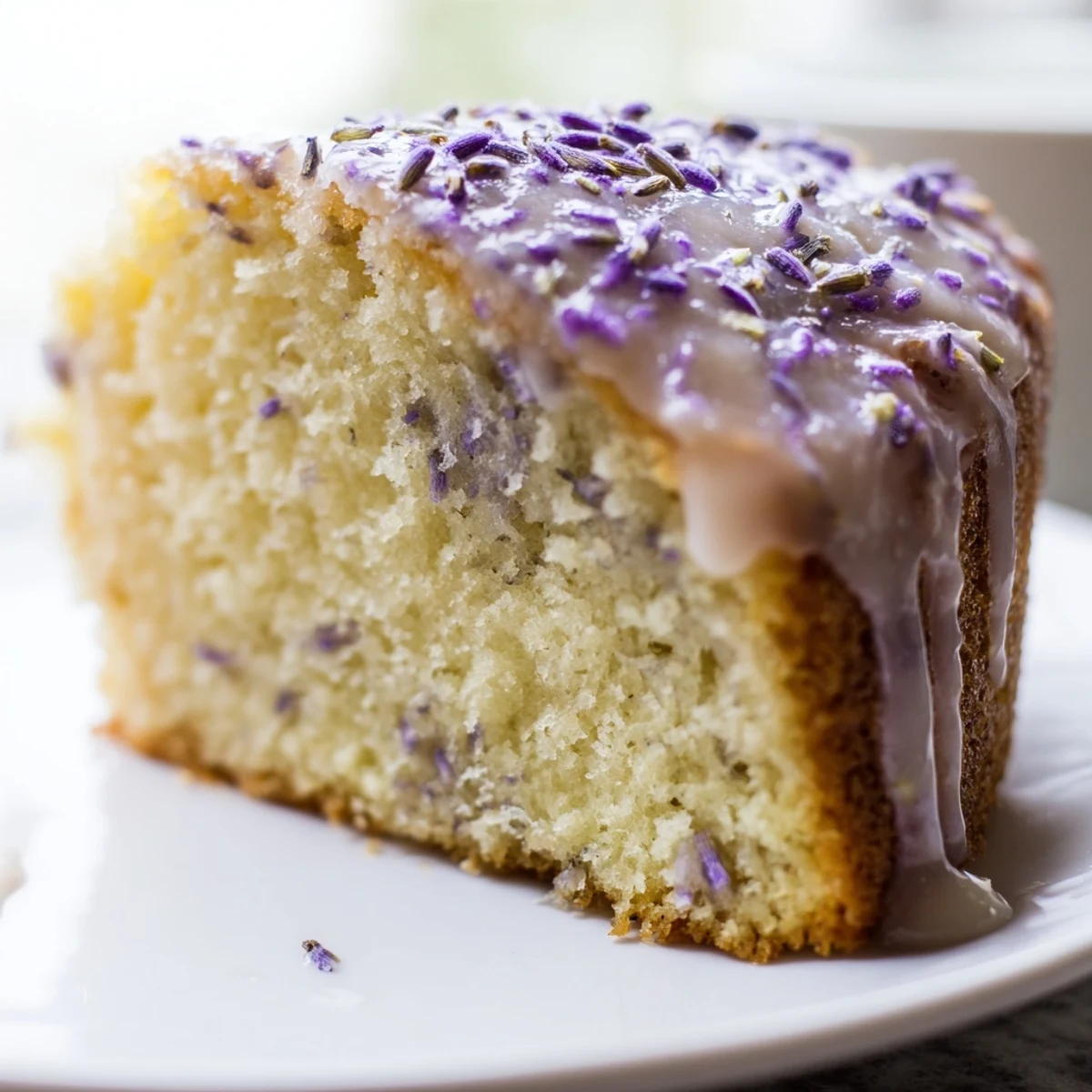
 This cake has become my go-to when I want to serve something that feels special but not fussy. The way the perfume hits you when you take it out of the oven is pure magic.
Getting the Lavender Balance Right
I once made the mistake of doubling the lavender because I love the scent. The result was so overpowering that only one brave friend finished her slice. Trust the measured amount, and remember that the flavor intensifies as the cake sits.
Making It Ahead
The cake actually improves after a day, as the lavender has time to mellow into the crumb. Wrap it tightly once glazed, and bring it to room temperature before serving for the best texture and flavor.
Serving Suggestions
A slice of this cake alongside a cup of Earl Grey is one of those combinations that just makes sense. The bergamot in the tea echoes the citrus in the glaze.
- Thin slices are best since the cake is quite rich
- Serve it in the afternoon when natural light shows off that lovely lavender speckled crumb
- Keep a small sprig of fresh lavender for garnish if you want to impress your guests
 Save to Pinterest
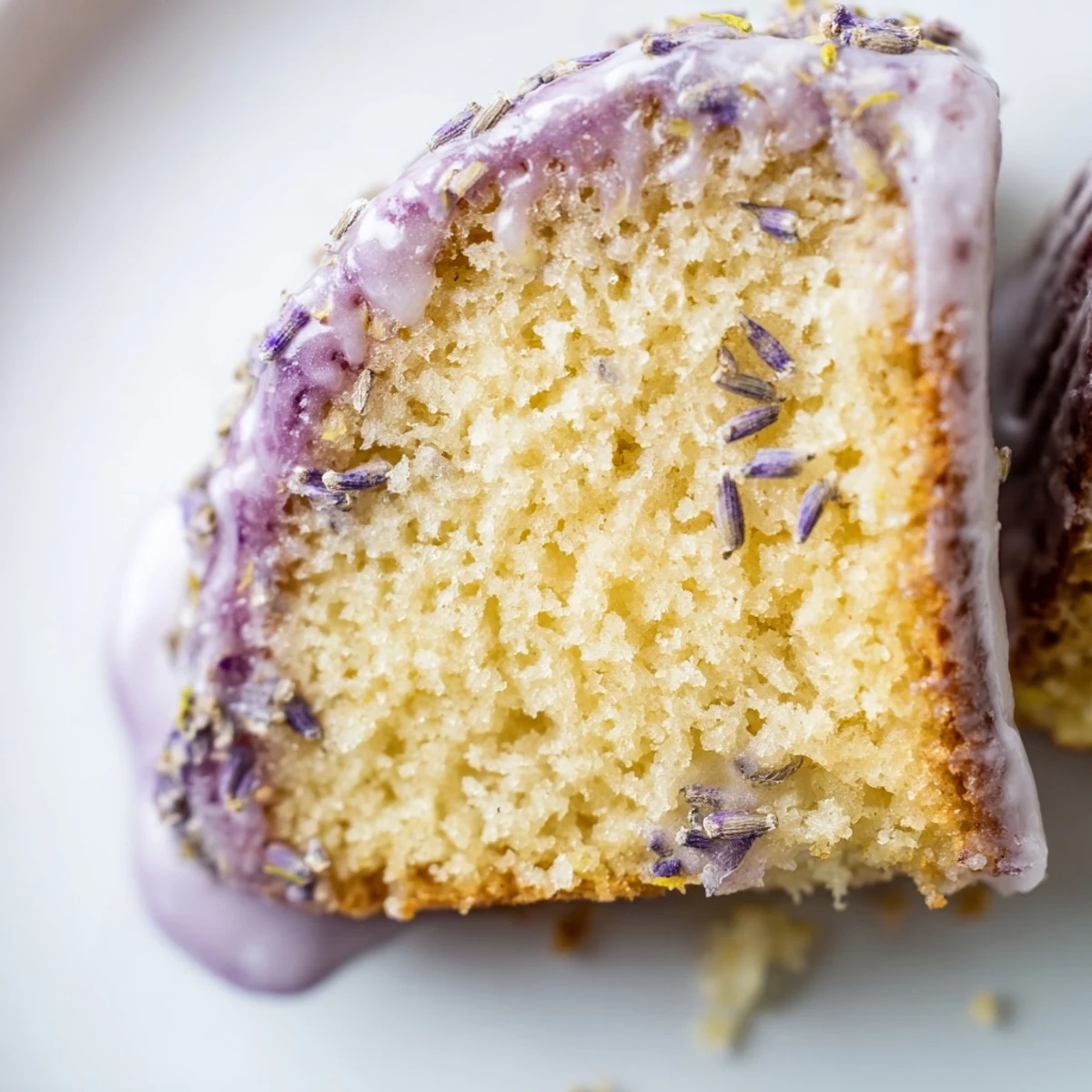
 There is something deeply satisfying about serving a cake that tastes like a garden in bloom.
Recipe FAQs
- → What type of lavender should I use?
-
Use only culinary-grade lavender buds specifically labeled for food use. Regular lavender from gardens may contain pesticides or have an overpowering flavor. Culinary lavender is grown and processed specifically for baking and cooking.
- → Can I make the cake ahead of time?
-
Yes, the cake can be baked 1-2 days in advance. Wrap tightly in plastic wrap once completely cooled and store at room temperature. Add the glaze on the day of serving for the freshest appearance and texture.
- → How do I adjust the lavender flavor intensity?
-
For a more subtle flavor, reduce the lavender buds to 1 tablespoon in both the cake and glaze. For a stronger floral taste, increase to 3 tablespoons. Always remember that the flavor intensifies slightly as the cake rests.
- → What can I substitute for whole milk?
-
Almond milk, oat milk, or soy milk work well as substitutes. For a dairy-free version, also replace the butter with a plant-based alternative and ensure your powdered sugar is vegan-friendly.
- → Why is my cake dense or dry?
-
Overmixing the batter can create a dense texture. Mix only until ingredients are just combined. Dryness usually results from overbaking—start checking for doneness at 25 minutes and remove when a toothpick shows moist crumbs rather than being completely dry.
- → Can I freeze this lavender cake?
-
Freeze the unglazed cake by wrapping tightly in plastic wrap and foil for up to 3 months. Thaw overnight at room temperature before adding the glaze. The glazed cake is best enjoyed fresh but can be refrigerated for 2-3 days.