
 Save to Pinterest
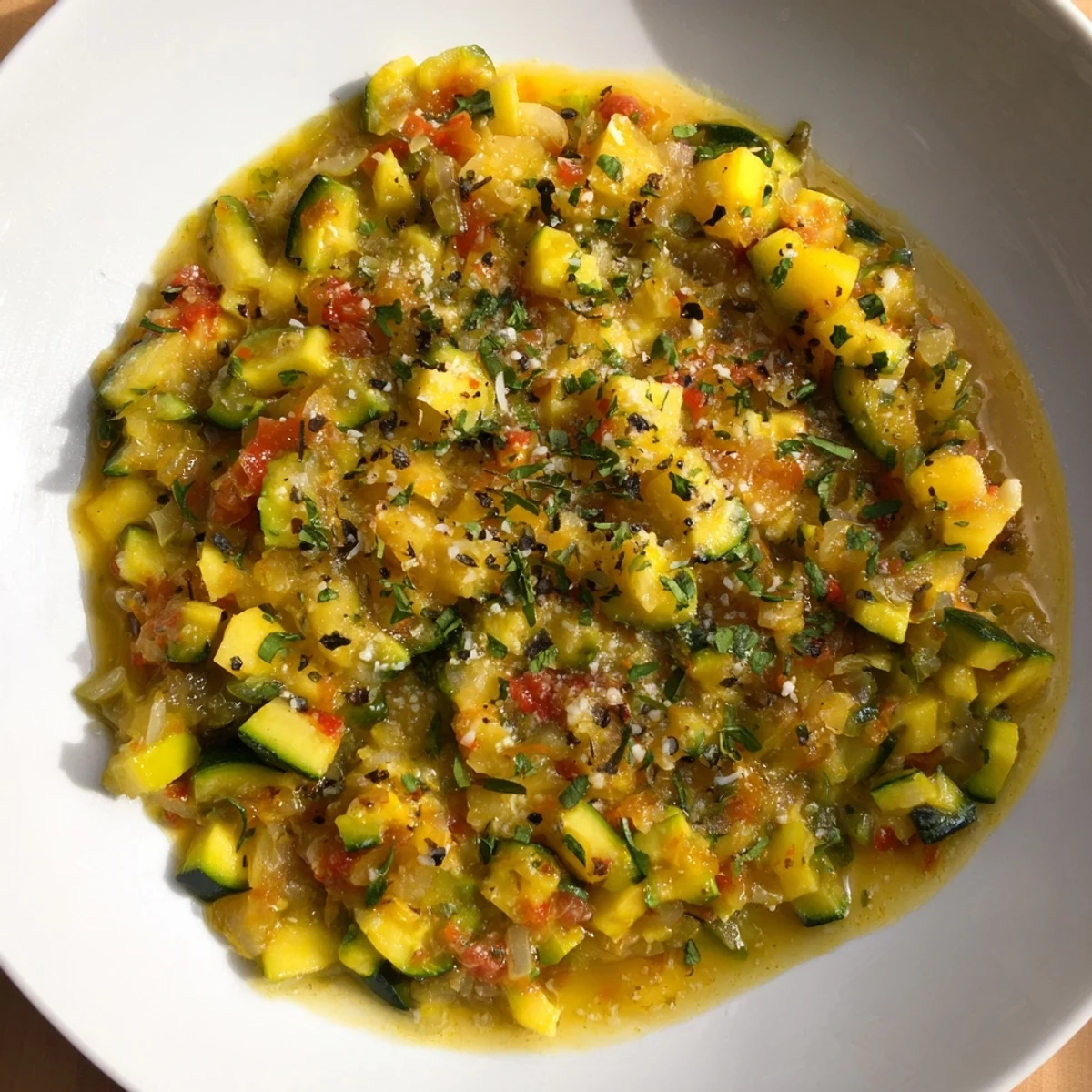
 This versatile Italian-style sauce transforms fresh zucchini into a rich, flavorful condiment perfect for elevating everyday meals. The combination of sautéed vegetables creates a robust base, while aromatic herbs like oregano and basil lend authentic Mediterranean notes. Whether tossed with al dente pasta, spooned over grilled chicken, or spread on crusty bread for bruschetta, this adaptable preparation delivers restaurant-quality results with minimal effort. The natural sweetness from grated carrot balances the acidity of tomatoes, while optional red pepper flakes adds gentle warmth for those who enjoy subtle heat.
The first time I made this sauce, I was drowning in summer zucchini from my aunt's garden. She had dropped off a grocery bag full of them, and I was desperately trying to figure out what to do with yet another squash. This sauce transformed my problem into something my family now asks for by name, even in February when I have to buy the zucchini myself.
Last summer my neighbor smelled this simmering through our open windows and actually knocked on the door to find out what I was making. Now we make it together during zucchini season, each cooking a huge batch and swapping half. Its become the kind of tradition that makes a neighborhood feel like home.
Ingredients
- 2 medium zucchini: Use fresh firm ones without soft spots because they hold their texture better during cooking
- 1 medium yellow onion: Finely chopped onion creates the sweet aromatic foundation that everything else builds upon
- 2 cloves garlic: Minced fresh garlic adds that essential Italian base note that dried garlic can never quite replicate
- 1 (400 g) can diced tomatoes: Good quality canned tomatoes work perfectly year round and actually have more consistent flavor than fresh tomatoes in winter
- 1 small carrot grated: The secret ingredient my grandmother swore by for balancing acidity and adding natural sweetness
- 2 tbsp extra virgin olive oil: This carries all the flavors and creates that silky restaurant texture that makes people ask what you did differently
- 1 tsp dried oregano: Dried oregano actually works better here than fresh because it holds up to the long simmer time
- 1 tsp dried basil: Use fresh basil instead if you have it adding it at the very end preserves its bright flavor
- 1/2 tsp red pepper flakes: Just enough warmth to make things interesting without overwhelming the vegetables
- Salt and freshly ground black pepper: Taste as you go because this simple seasoning makes or breaks the final dish
- 2 tbsp fresh parsley chopped: Added at the end for a fresh bright pop that cuts through the rich cooked flavors
- 1 tbsp grated Parmesan cheese: Optional but adds that savory umami finish that makes everything taste more complete
Instructions
- Start with the foundation:
- Pour the olive oil into your largest skillet and set it over medium heat. You want the oil to shimmer slightly but not smoke before adding the onion.
- Build the aromatics:
- Add the chopped onion and let it cook slowly for 3 to 4 minutes until it turns translucent and sweet. Stir in the garlic and watch carefully for just 1 minute until you can smell it throughout your kitchen.
- Add the vegetables:
- Toss in the zucchini and grated carrot letting them sauté for 5 to 7 minutes. The zucchini should start softening but still hold its shape.
- Create the sauce base:
- Pour in the entire can of diced tomatoes with their juices. Sprinkle in the oregano basil red pepper flakes salt and pepper stirring everything together.
- Let it meld together:
- Bring the mixture to a gentle bubble then lower the heat to maintain a slow simmer. Let it cook uncovered for 20 minutes until the sauce thickens and the zucchini becomes tender.
- Finish with fresh touches:
- Taste your sauce and adjust any seasonings that need it. Stir in the fresh parsley right before serving to preserve its bright green color and fresh flavor.
- Serve it up:
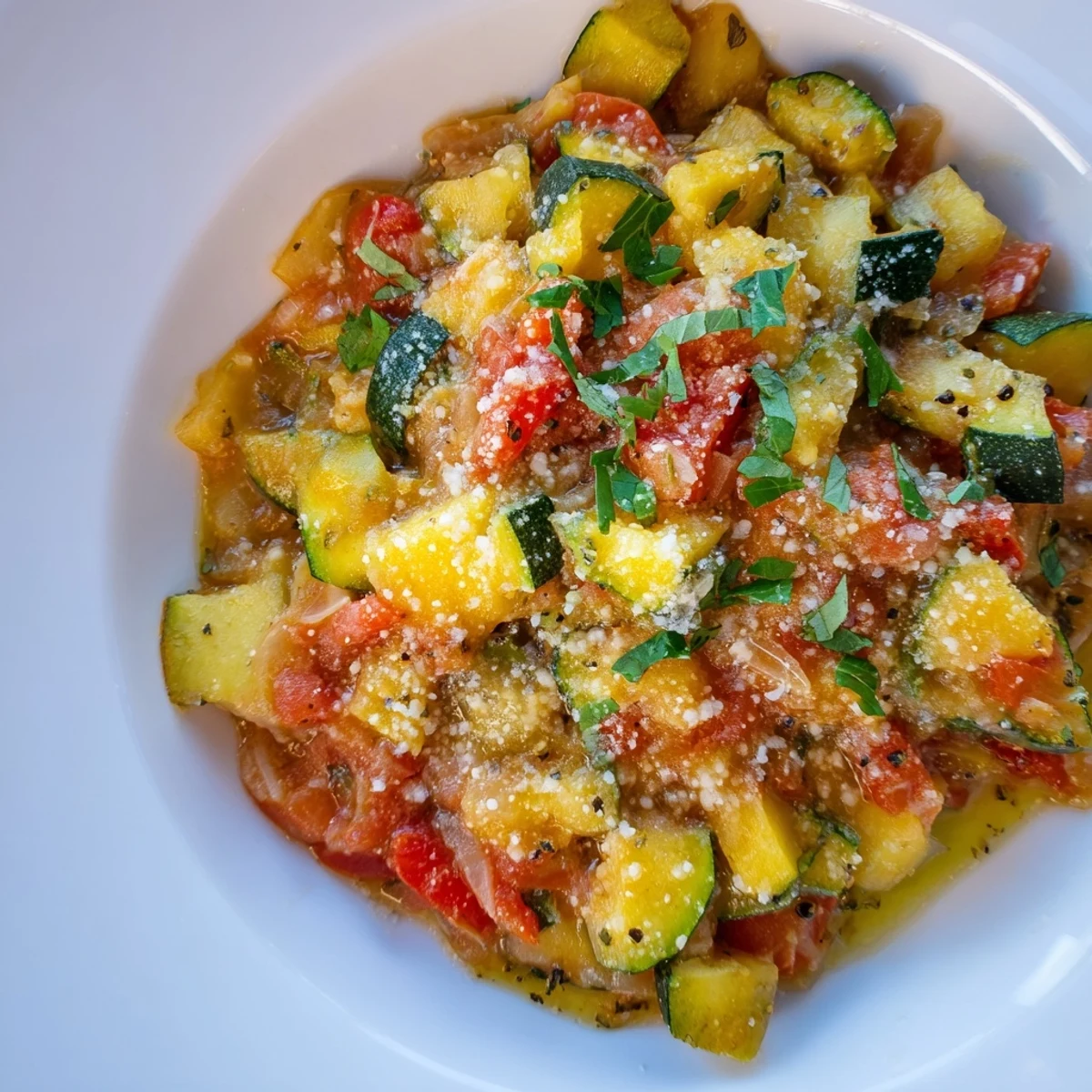
- Spoon the hot sauce over cooked pasta grilled chicken or onto toasted bread slices. Add Parmesan on top if you like and watch it disappear.
 Save to Pinterest
 My daughter who spent years claiming she hated zucchini literally licked her plate clean the first time I served this. Sometimes the best way to get someone to love a vegetable is to cook it with enough garlic and olive oil they forget what they are eating.
Making It Your Own
Sometimes I throw in a handful of spinach or chopped kale during the last five minutes of cooking. The greens wilt right into the sauce and nobody notices they are eating something extra healthy. I have also added bell peppers or eggplant when the garden produced too much of everything at once.
Texture Choices
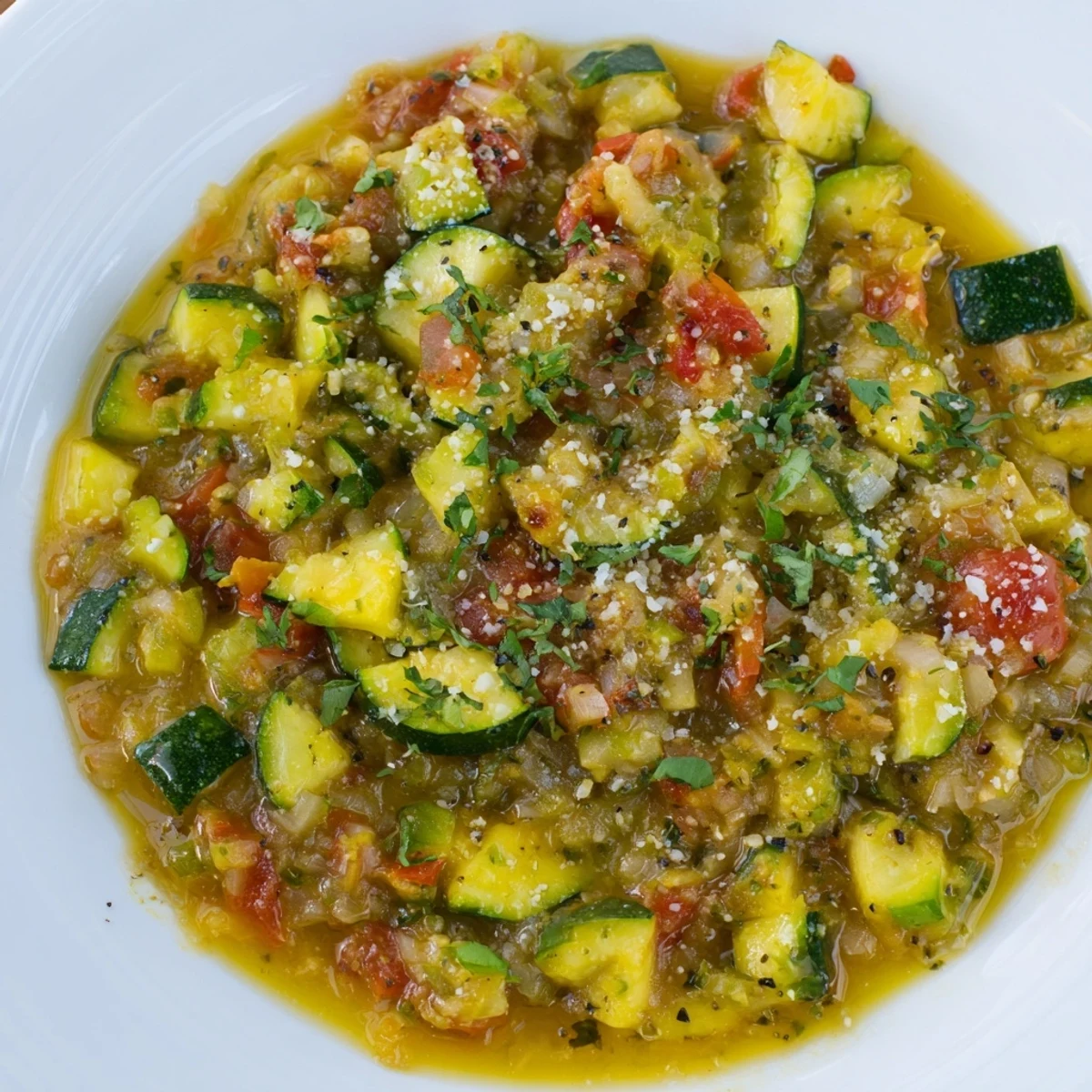
The recipe makes a chunky rustic sauce that lets you taste each vegetable distinctly. But when my kids were going through their smooth everything phase I would puree it with an immersion blender before adding the parsley. They still loved it even though they had no idea they were eating several servings of vegetables in one bowl.
Storage And Make Ahead Tips
This sauce actually tastes better the next day once all the flavors have had time to really get to know each other. I usually double the recipe and freeze half in freezer bags laying them flat to save space.
- Let the sauce cool completely before freezing to prevent ice crystals from forming
- Thaw overnight in the refrigerator then reheat gently with a splash of water
- The sauce keeps in the refrigerator for up to five days if it lasts that long
 Save to Pinterest
 There is something deeply satisfying about turning a few simple vegetables into something that makes people happy. This recipe reminds me that good cooking does not need to be complicated.
Recipe FAQs
- → Can I freeze this sauce for later use?
-
Absolutely. Allow the sauce to cool completely before transferring to airtight containers or freezer bags. It freezes well for up to 3 months. Thaw overnight in the refrigerator and reheat gently on the stovetet, adding a splash of water or olive oil if needed to restore consistency.
- → What pasta shapes work best with this sauce?
-
The sauce clings beautifully to short pasta shapes like penne, rigatoni, or fusilli due to their textured surfaces. Long strands such as spaghetti or linguine also work wonderfully, allowing the sauce to coat each strand evenly. For a rustic presentation, try it with gemelli or trofie pasta.
- → How can I make this sauce creamier?
-
For a velvety texture, blend portion of the sauce with an immersion blender before adding the fresh parsley. Alternatively, stir in a tablespoon of heavy cream or a dollop of ricotta during the final minutes of cooking. Another option is to add a pat of butter for richness without overwhelming the fresh vegetable flavors.
- → Can I substitute fresh tomatoes for canned?
-
Yes, use approximately 4 ripe fresh tomatoes, peeled and chopped. Fresh tomatoes may require slightly longer cooking time to break down and thicken properly. For best results, choose vine-ripened tomatoes during peak season when they're at their sweetest and most flavorful.
- → What herbs can I use besides basil and oregano?
-
Fresh thyme adds earthy notes, while marjoram offers a milder sweetness similar to oregano. For a brighter flavor profile, try adding fresh Italian parsley or a small amount of rosemary. During summer months, fresh basil from the garden makes a significant difference compared to dried versions.
- → Is this suitable for meal prep?
-
This sauce actually improves after a day or two in the refrigerator as flavors meld together. Prepare a batch on Sunday and portion it for quick weekday dinners. Store in the refrigerator for up to 5 days in a sealed container. The sauce can be served cold or gently reheated.