
 Save to Pinterest
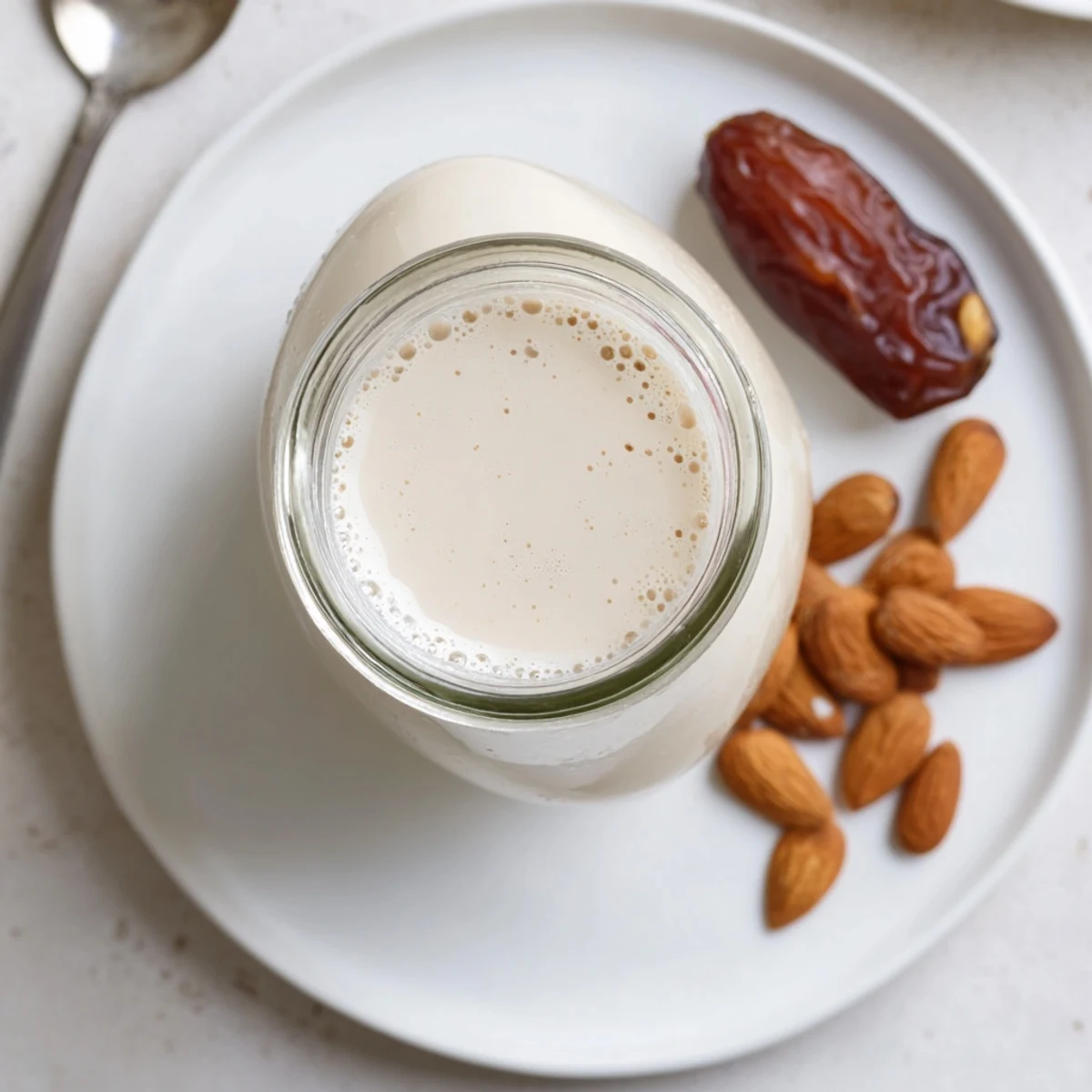
 Soak raw almonds for at least 8 hours, drain and rinse. Blend with filtered water until very smooth, then strain through a nut milk bag or fine cloth, squeezing out all liquid. Season with dates, vanilla or a pinch of salt if desired. Chill in a sealed jar and use within 3-4 days; save the leftover almond pulp for baking or smoothies. Adjust water for desired creaminess.
My blender was humming at six in the morning before I realized making almond milk at home would ruin store-bought for me forever. The smell of fresh almonds whirring into something silky and alive was nothing like the carton version I had been pouring into my coffee for years. It took ten minutes of actual work and a overnight soak I kept forgetting to start. Now I keep a jar in the fridge year round and wonder why I ever paid six dollars for the watery stuff.
My sister visited last spring and watched me strain a batch at the kitchen counter while she held her coffee mug and waited. She took one sip of the finished milk in her cup and immediately asked if I could show her before she flew home the next morning. We stood side by side at the blender at seven in the morning in our pajamas and it became the unexpected highlight of her trip.
Ingredients
- Raw almonds (1 cup or 150 g): Use truly raw unsalted almonds because roasted ones will give the milk a heavy toasty flavor that overpowers everything.
- Filtered water (4 cups or 1 liter plus soaking water): Good water matters here since it is the base of the entire drink and tap water can carry flavors you do not want.
- Dates 1 to 2 pitted (optional): These add a gentle natural sweetness without refined sugar and blend seamlessly into the milk.
- Vanilla extract 1 tsp (optional): A small splash rounds out the flavor beautifully and makes the milk taste like a treat rather than a project.
- Sea salt a pinch (optional): Salt may seem odd in a drink but a tiny pinch lifts every other flavor and makes the milk taste complete.
Instructions
- Soak the almonds:
- Cover the almonds with plenty of water in a bowl and leave them on the counter for at least eight hours or tucked in the fridge overnight until they look plump and tender between your fingers.
- Drain and rinse:
- Pour off the soaking water and rinse the almonds under cool running water until it runs clear because that soaking liquid carries a slight bitterness you want gone.
- Blend everything together:
- Toss the almonds into your blender with four cups of fresh filtered water and add the dates vanilla and salt if you are using them then blend on high for one to two minutes until the mixture looks completely smooth and frothy on top.
- Strain the milk:
- Pour the blended mixture through a nut milk bag or a double layer of cheesecloth into a large bowl and squeeze firmly with your hands until the pulp feels nearly dry and you have extracted every last drop of liquid.
- Store and enjoy:
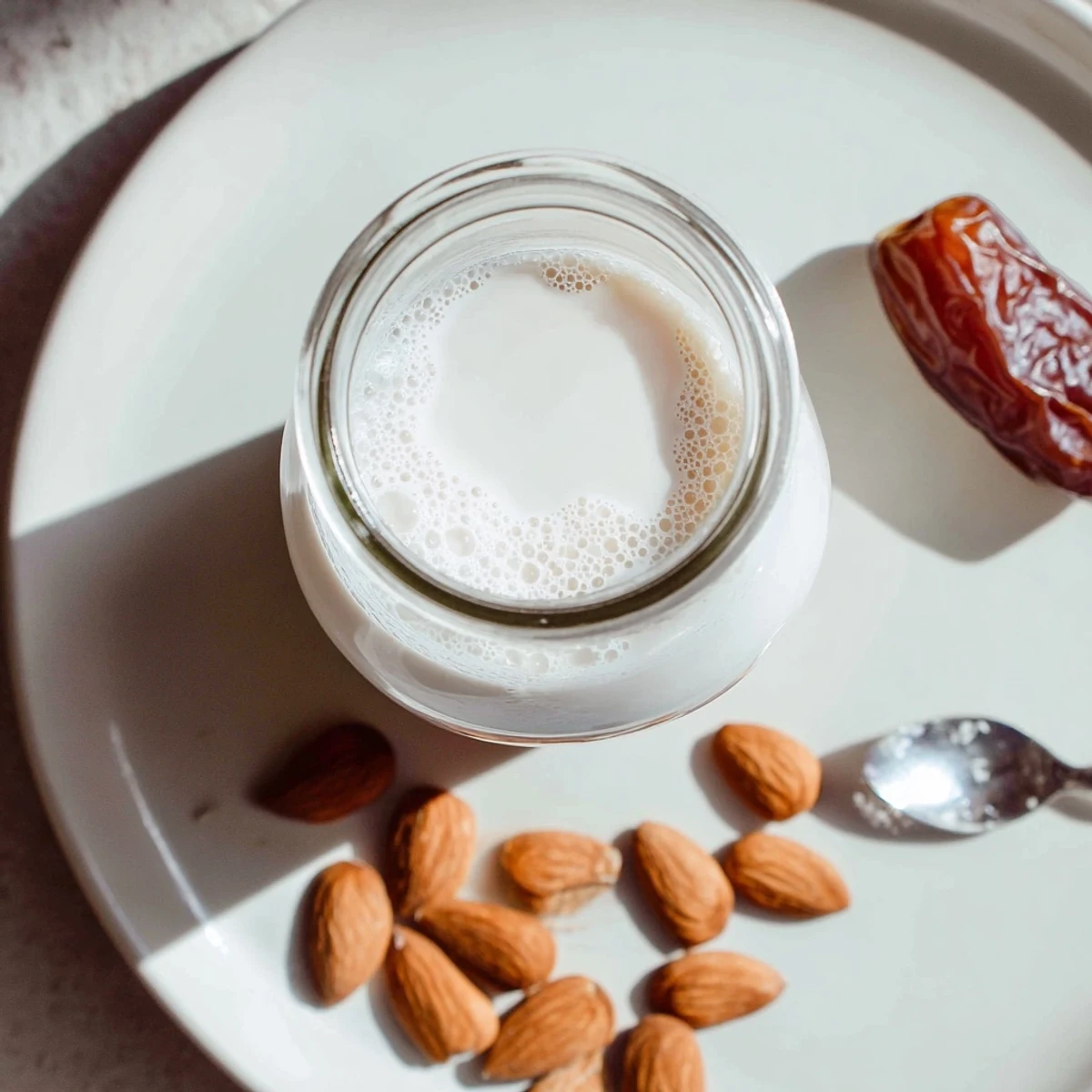
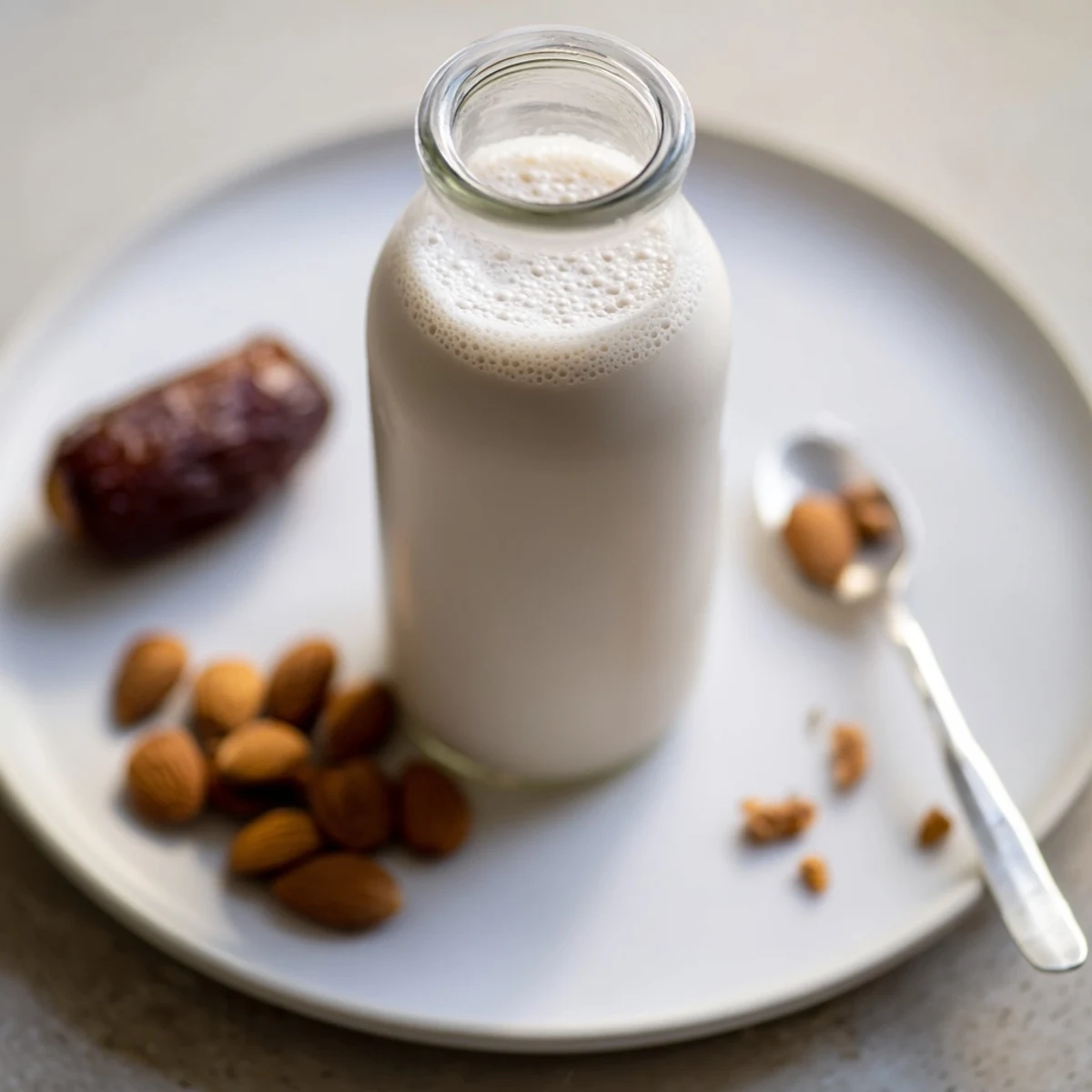
- Transfer the strained milk into a clean bottle or jar and keep it refrigerated giving it a good shake before each pour since it separates naturally with no emulsifiers holding it together.
 Save to Pinterest
 I started saving the leftover almond pulp in a container in my freezer without any plan for it and eventually started folding it into pancake batter and muffins. Nothing wasted and somehow the pancakes tasted better than my usual recipe.
Getting the Texture Just Right
The ratio of almonds to water is your dial for thickness. Four cups of water to one cup of almonds gives you something close to whole milk in richness. If you want something lighter for drinking straight go up to five cups and if you want it creamy enough for a latte try three and a half cups. Play with it a few times and you will find your personal sweet spot.
What to Do With the Leftover Pulp
Squeezing out every drop of milk leaves you with a damp pile of ground almonds that feels like a shame to throw away. Spread it on a baking sheet and dry it in a low oven then pulse it in the blender into homemade almond flour. It works beautifully in cookies and quick breads and makes you feel like you got two recipes out of one batch.
Storing and Shelf Life
Homemade almond milk lasts three to four days in the fridge which sounds short but a full liter disappears fast in my house between coffee smoothies and cereal. Keep it in a sealed glass jar for the cleanest flavor and always give it a shake. A couple of things to keep in mind.
- If the milk smells sour or tastes off before day four trust your nose and discard it.
- Freezing almond milk in ice cube trays works surprisingly well for smoothies down the line.
- Label your jar with the date you made it so you are never guessing at freshness.
 Save to Pinterest
 Making almond milk from scratch is one of those small kitchen rituals that turns a mundane grocery item into something you actually look forward to. Pour it into your morning coffee and notice the difference.
Recipe FAQs
- → How long should almonds be soaked?
-
Soak at least 8 hours or overnight for best creaminess; softer almonds break down more easily. For a quicker method, a hot-water soak of about 1 hour can work but yields a slightly different texture.
- → How can I sweeten the milk naturally?
-
Blend in pitted dates, a splash of maple syrup, or a little honey after blending. Vanilla extract also lifts flavor—add gradually and taste as you go.
- → How do I make the milk creamier?
-
Use less water (try 3 cups per cup of almonds), blend longer at high speed, or add a few soaked cashews for extra body. Straining less finely will also increase richness.
- → What can I do with the leftover almond pulp?
-
Dry the pulp in a low oven to make almond flour, or stir it into muffins, cookies, granola, or smoothies for fiber and nutty flavor.
- → How should almond milk be stored and how long does it last?
-
Keep in a sealed bottle in the refrigerator and shake before use. Fresh almond milk keeps 3-4 days; discard if it develops an off smell or slimy texture.
- → Can I use roasted almonds instead of raw?
-
Raw, soaked almonds give the mildest, clean flavor. Roasted almonds can be used but yield a toastier taste and may not blend into as smooth a texture.