
 Save to Pinterest
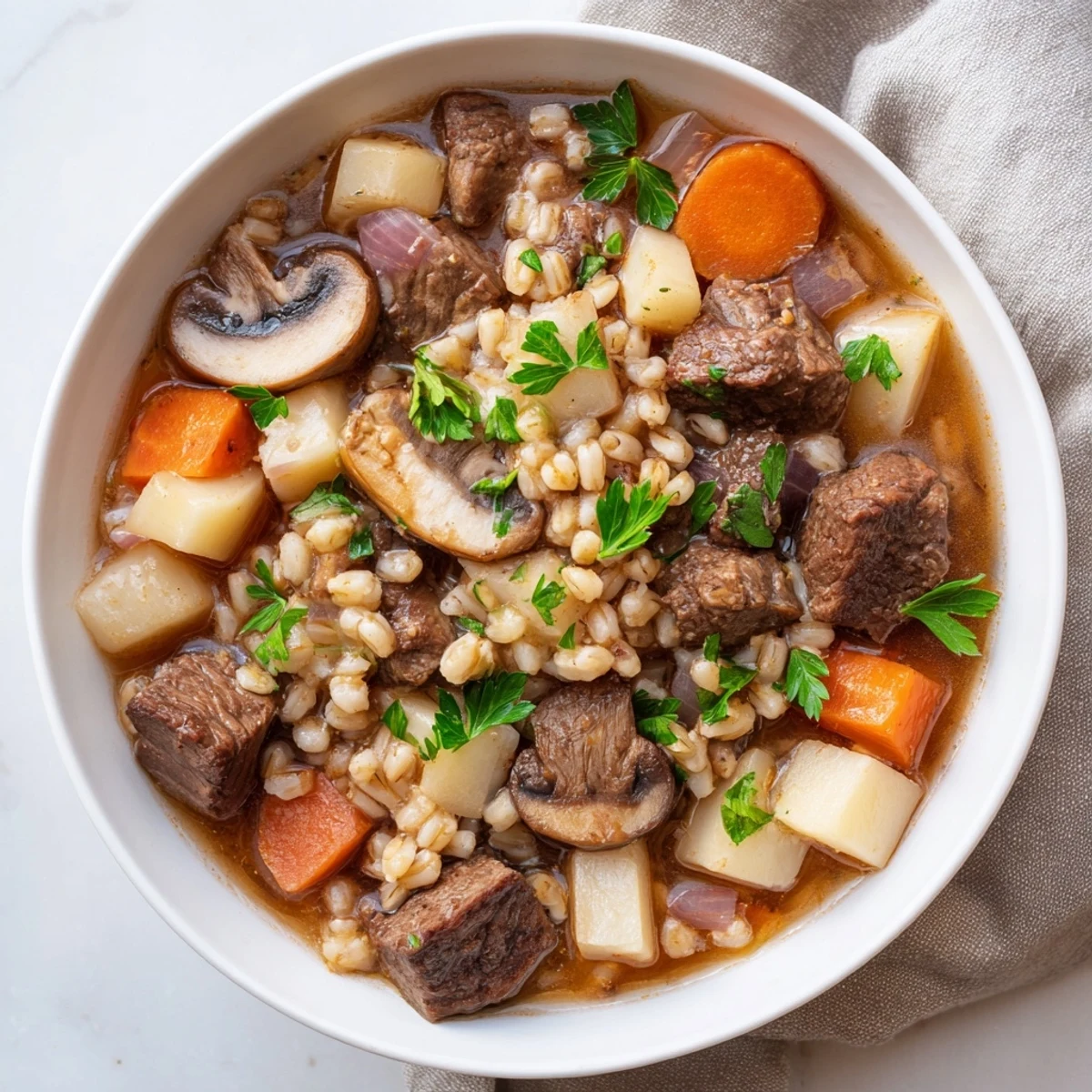
 This hearty beef and barley dish combines tender chunks of beef with nutty barley and sweet parsnips, all slow-cooked alongside aromatic vegetables and herbs for a warm, satisfying meal. The blend of thyme, rosemary, and bay leaves infuses deep flavor, creating a perfect dish for cool evenings. Simmering for up to two hours ensures a tender, well-rounded texture and a rich, savory broth that delights the palate.
There's something about the way beef and barley stew fills a kitchen with warmth that makes you forget about the cold outside. I discovered this recipe during a particularly gray November when I was craving something that felt like a hug in a bowl, something that would simmer on the stove while I caught up on reading. The first time I made it, I actually burned the tomato paste because I got distracted talking on the phone, but somehow that deeper, almost caramelized flavor became my favorite version. Now I make it whenever I want the house to smell like comfort.
I'll never forget serving this to my neighbors after their baby was born. The mom cried a little when she tasted it, not because it was fancy, but because someone had thought about feeding them something real. That's when I realized this stew isn't just dinner—it's a quiet way of saying you care.
Ingredients
- Beef chuck, 2 lbs cut into 1-inch cubes: Chuck is the sweet spot for stewing—it has enough marbling to stay tender without drying out, and the connective tissue breaks down into gelatin that enriches your broth. Trim any excess surface fat, but leave some behind.
- Olive oil, 2 tbsp: You need enough to brown the beef properly, which means no crowding the pan and letting each piece develop a crust.
- Onion, 1 large diced: This is your flavor foundation, and dicing it roughly rather than mincing means it'll almost dissolve into the stew, creating body without being noticeable.
- Garlic, 2 cloves minced: Mince it fine so it distributes evenly and doesn't leave surprising chunks.
- Carrots, 3 medium sliced: Cut them on a slight diagonal so they cook evenly and look intentional in the bowl.
- Parsnips, 2 peeled and chopped: These are the secret ingredient that makes people say 'what is that sweetness?'—they add depth that regular potatoes can't touch.
- Celery, 2 stalks sliced: Celery adds a savory note that anchors everything else, almost like it's balancing the sweetness of the parsnips.
- Cremini or button mushrooms, 1 cup quartered optional: If you use them, they add an umami punch that makes the whole stew taste more substantial.
- Diced tomatoes, 1 can 14 oz drained: Draining them keeps the stew from becoming too watery, and you want that concentrated tomato flavor.
- Pearl barley, 3/4 cup rinsed: Rinsing it removes excess starch that would make your stew gluey, and it plumps up beautifully as it cooks.
- Beef broth, 6 cups low sodium: Low sodium is crucial here because as the stew reduces, flavors concentrate and you don't want it turning into salt soup.
- Water, 1 cup: This dilutes the broth just enough so the flavors don't overwhelm.
- Tomato paste, 2 tbsp: A small amount adds concentrated umami and depth without making the stew taste tomato-forward.
- Worcestershire sauce, 1 tbsp: This is the umami bomb that makes people ask what you put in it.
- Bay leaves, 2: They add subtle complexity that you can't quite name but definitely taste.
- Dried thyme, 1 tsp: Thyme is the herb that belongs in beef stew, and dried works better here than fresh because it infuses more gradually.
- Dried rosemary, 1 tsp: A little rosemary goes a long way, and combined with thyme it creates that earthy, aromatic foundation.
- Black pepper, 1/2 tsp: Fresh ground is best, added before the long simmer so it stays bright.
- Salt, 1 tsp or to taste: Start conservative and taste as you go—you can always add more but you can't take it out.
- Fresh parsley, chopped for garnish: This bright green finish is the visual and flavor punctuation mark that says the dish is done.
Instructions
- Sear the beef:
- Heat your olive oil until it shimmers slightly, then add the beef in a single layer—don't crowd the pan or it'll steam instead of brown. You want a deep golden crust on each piece, which takes a few minutes per side. This isn't just for looks; that crust is where the flavor lives.
- Sauté the aromatics:
- Once the beef is out, add your diced onion and minced garlic to the same pot, scraping up any browned bits stuck to the bottom. After about two minutes when it smells incredible, you know you're ready for the next step.
- Cook the vegetables:
- Add your carrots, parsnips, celery, and mushrooms if using. Stir them around for about five minutes until they start to soften at the edges and release their flavors into the oil. You're building layers of flavor here, not just combining ingredients.
- Deepen with tomato paste:
- Stir in the tomato paste and let it cook for just a minute, stirring constantly so it doesn't stick or burn. This step concentrates and caramelizes the tomato, adding a subtle richness.
- Combine everything:
- Return the beef and any juices to the pot, then add your diced tomatoes, rinsed barley, beef broth, water, Worcestershire sauce, bay leaves, thyme, rosemary, salt, and pepper. Stir well so everything is submerged and evenly distributed.
- Simmer low and slow:
- Bring it just to a boil, then reduce the heat to a gentle simmer—you want small, lazy bubbles, not an aggressive rolling boil. Cover it and let time do the work. After an hour and a half to two hours, the beef should be fork-tender and the barley plump and soft.
- Finish and serve:
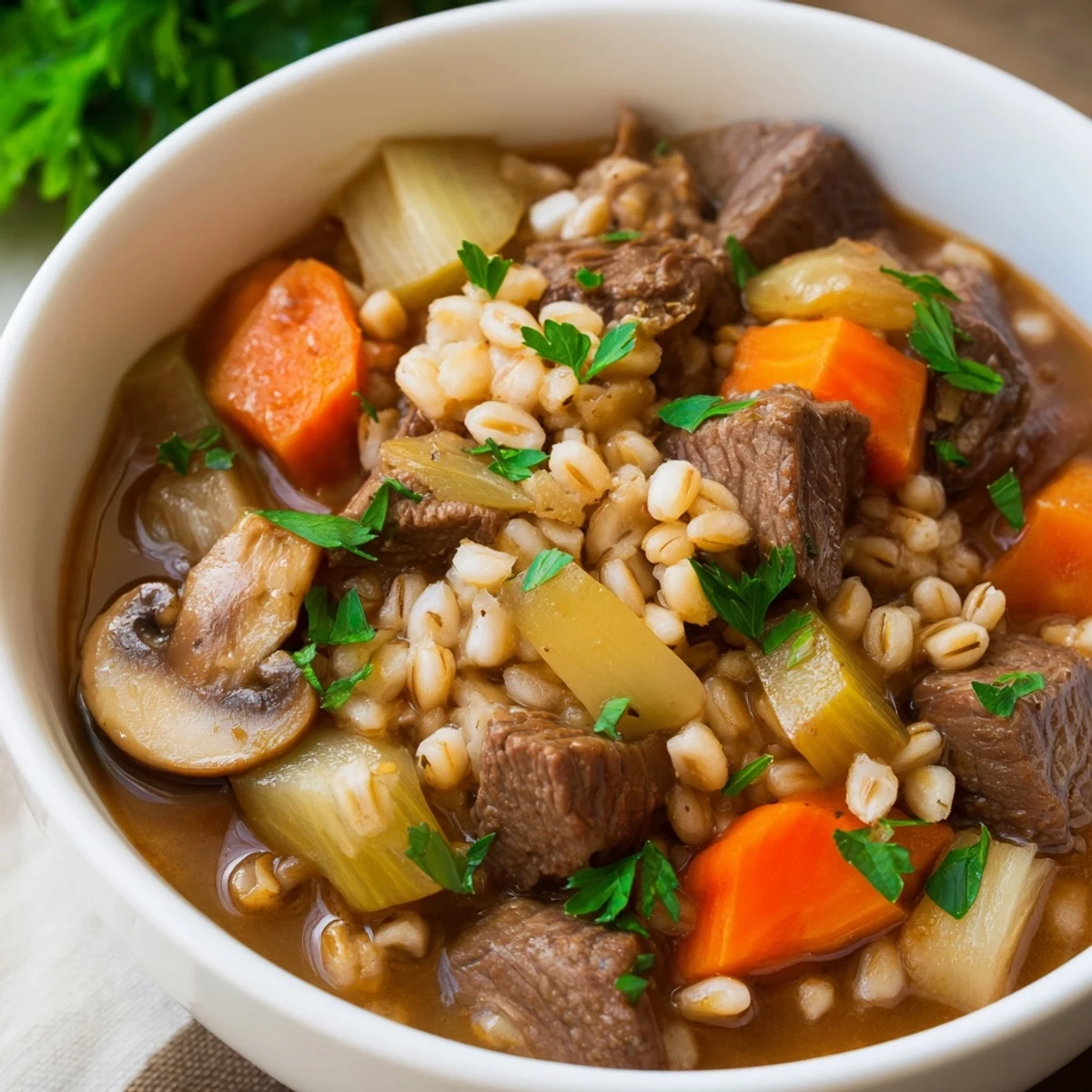
- Fish out those bay leaves, taste and adjust your seasoning, then ladle into bowls and scatter fresh parsley on top. This final green touch makes it look like you actually know what you're doing.
 Save to Pinterest
 My son asked for thirds last week, which in his vocabulary is the highest compliment possible. There's something about feeding people something warm and nourishing that shifts the entire mood of an evening.
The Magic of Barley
Barley doesn't get the attention it deserves in American cooking. It's nutty and hearty, with a texture that's slightly chewy without being tough, and it absorbs all the flavors around it like a sponge. In this stew, the barley does something almost magical—it releases starch into the broth, which creates a silky mouthfeel without you having to do anything extra. I learned this by accident when I forgot to drain a batch of barley and the result was thick enough to serve over mashed potatoes instead of in a bowl.
Why Parsnips Matter
Most people think of parsnips as a substitute for carrots, but they're actually a completely different flavor profile. They're sweeter, more delicate, and they soften differently—almost melting into the stew rather than staying distinct. The first time I added them, I didn't realize what made the stew taste so different until my sister asked what spice I'd added. That's when I understood that parsnips bring a subtle complexity that feels almost like you've spent hours perfecting the recipe when you've really just chosen the right ingredients.
Making It Your Own
This stew is forgiving and flexible, which is part of what makes it so reliable. I've added a splash of red wine and forgotten to include the mushrooms, and both versions turned out beautifully. The framework stays solid no matter what you adjust, which means you can make it your own without second-guessing yourself. Some variations that work: swap the parsnips for turnips or rutabaga if that's what you have, add a couple of potatoes if you want it heartier, or even throw in some pearl onions if you're feeling fancy.
- Serve it with crusty bread for soaking up the broth, or over creamy mashed potatoes for a completely different experience.
- Make a double batch and freeze half—it actually improves after a day or two as the flavors settle.
- If you have leftover cooked beef from another dish, you can absolutely use it and reduce the simmering time to about 45 minutes.
 Save to Pinterest
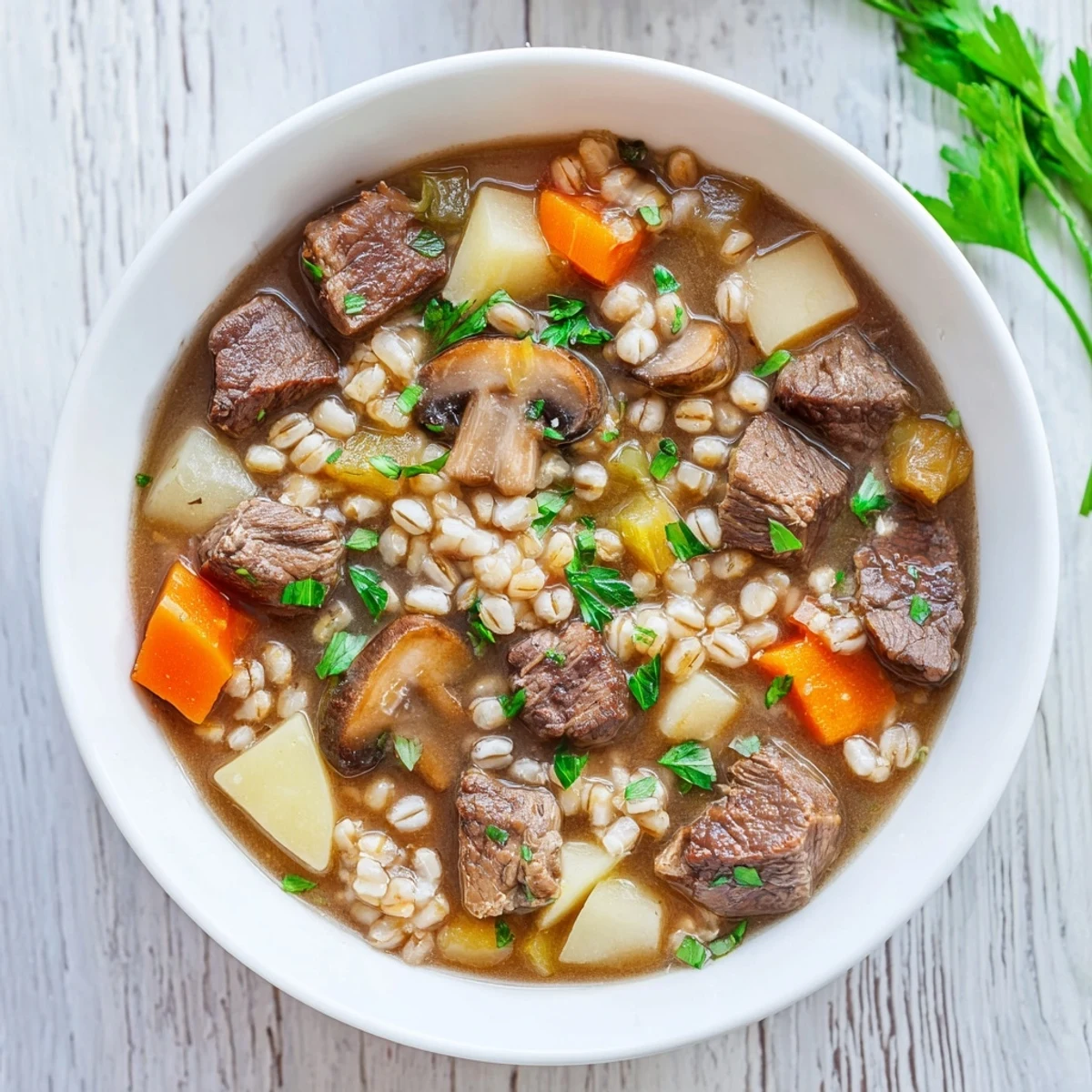
 This stew has become my answer to almost every cold-weather craving and the recipe I hand to friends who want to learn how to cook something real. It's not complicated, but it feels substantial and nourishing in a way that reminds you why people have been making versions of this for centuries.
Recipe FAQs
- → Can I use other grains instead of barley?
-
Yes, you can substitute pearl barley with hulled barley, farro, or even brown rice, adjusting cooking times accordingly to ensure tenderness.
- → What cuts of beef work best for slow cooking?
-
Beef chuck is ideal due to its marbling and flavor, which becomes tender and juicy after slow cooking in this dish.
- → Can I add more vegetables to this dish?
-
Absolutely, mushrooms, celery, or root vegetables like turnips or rutabaga work well and enhance the stew’s depth.
- → How can I thicken the broth if needed?
-
Simmer uncovered for a few minutes to reduce liquid or mash some barley against the side to naturally thicken the broth.
- → Is there a way to enhance the flavor further?
-
A splash of red wine added during simmering can deepen the richness, and fresh parsley at the end brightens the flavors.