
 Save to Pinterest
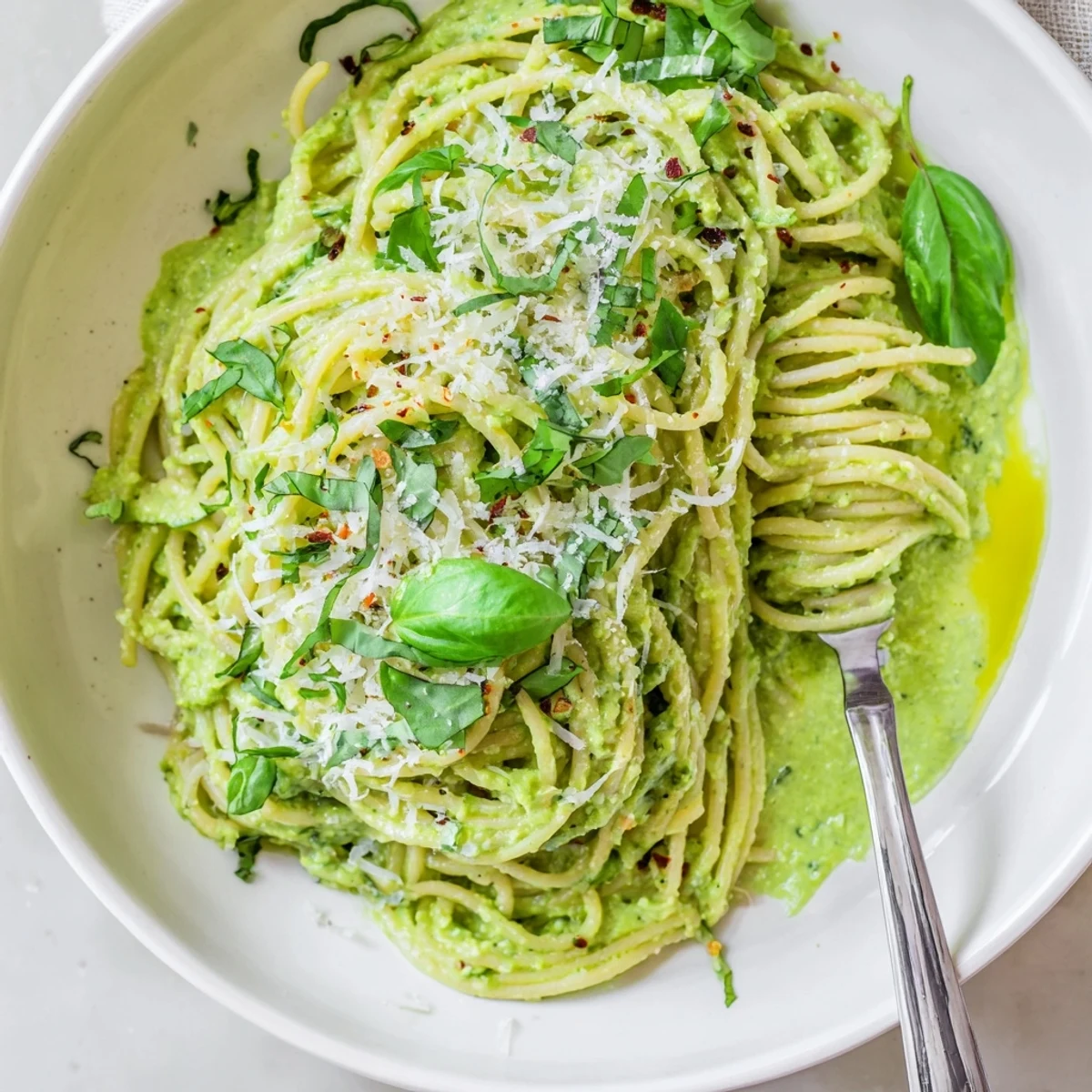
 This green goddess pasta sauce comes together in just 20 minutes, blending ripe avocado, fresh spinach, basil, chives, parsley, and tarragon into a velvety, vibrant green sauce.
A splash of lemon juice and a dollop of Greek yogurt bring tangy creaminess, while Parmesan adds savory depth. Simply blend all the sauce ingredients until smooth, toss with your favorite cooked pasta, and adjust consistency with reserved pasta water.
It's an easy, vegetarian-friendly dish that tastes like spring on a plate — perfect for warm-weather dinners when fresh herbs are abundant.
My kitchen window was open the first afternoon I threw together every green herb I could snatch from the garden and called it dinner. The blender whirred like a tiny lawnmower and what emerged was this almost improbably vivid sauce that smelled like spring had crawled onto the cutting board. I dumped it over hot spaghetti without measuring anything and stood at the counter eating straight from the pot. That impulsive bowl remains one of the best things I have ever made without trying.
A friend stopped by unexpectedly one June evening and I had nothing planned so I blended a batch of this sauce and tossed it with whatever pasta was in the pantry. She leaned over her bowl and told me it was the best pasta she had eaten outside of Italy which was wildly generous and almost certainly untrue. We polished off the entire pot and sat on the back steps watching the light fade. Now every time she visits she asks for the green stuff.
Ingredients
- 1 ripe avocado: The avocado is the secret to that luxurious creamy texture so pick one that yields slightly when pressed but is not mushy.
- 1 cup fresh spinach leaves, packed: Spinach adds body and a mild earthiness without overpowering the more delicate herbs.
- 1/2 cup fresh basil leaves: Basil brings sweetness and perfume so use the freshest leaves you can find and tear them gently.
- 1/4 cup fresh chives: Chives contribute a gentle onion note that rounds out the green flavor without sharpness.
- 1/4 cup fresh parsley: Flat-leaf parsley acts as the backbone of the sauce providing clean herbal freshness.
- 2 tablespoons fresh tarragon leaves (optional but traditional): Tarragon is the quiet wildcard that gives green goddess its signature faint anise whisper so include it if you can find it.
- 2 cloves garlic, peeled: Two cloves lend a savory hum without hijacking the sauce so do not be tempted to add more.
- 3 tablespoons extra-virgin olive oil: Good olive oil carries the flavors and adds a fruity finish so use one you would happily drizzle on bread.
- 1/2 cup Greek yogurt or sour cream: Either one works beautifully to add tang and body and keep the sauce clinging to each noodle.
- Juice of 1 lemon: Bright acid is essential to wake up all those herbs and keep the avocado from browning.
- 1/4 cup grated Parmesan cheese (plus more for garnish): Parmesan adds salty umami depth that ties the whole bowl together.
- 1 teaspoon salt, or to taste: Season gradually and taste as you go because the cheese already contributes saltiness.
- 1/2 teaspoon freshly ground black pepper: Freshly cracked pepper adds gentle warmth throughout the sauce.
- 1/4 teaspoon chili flakes (optional for heat): A tiny pinch of heat plays beautifully against the creamy herbs.
- 12 oz (340g) dried pasta: Long strands like spaghetti or linguine work wonderfully but any shape will catch the sauce in its folds.
Instructions
- Get the pasta going:
- Bring a large pot of generously salted water to a rolling boil and cook the pasta according to the package until just al dente with a slight bite left in the center. Scoop out half a cup of that starchy cooking water before you drain because it is liquid gold for loosening the sauce later.
- Build the green sauce:
- Drop the avocado, spinach, basil, chives, parsley, tarragon, garlic, olive oil, yogurt, lemon juice, Parmesan, salt, pepper, and chili flakes into a food processor or blender. Blend until the mixture is completely silky and the most vivid green you have ever seen pausing to scrape down the sides once or twice.
- Taste and tweak:
- Dip a spoon in and consider whether it needs more salt or a brighter squeeze of lemon because every avocado and every bunch of herbs behaves a little differently.
- Marry pasta and sauce:
- Return the drained pasta to the warm pot or a big bowl and pour the sauce over top tossing enthusiastically. Splash in the reserved pasta water a little at a time until the sauce flows beautifully and coats every strand without being thick or gummy.
- Finish and serve:
- Divide among warmed bowls and shower each one with extra Parmesan and a scatter of chopped herbs. A final drizzle of your best olive oil on top is never a bad idea.
 Save to Pinterest
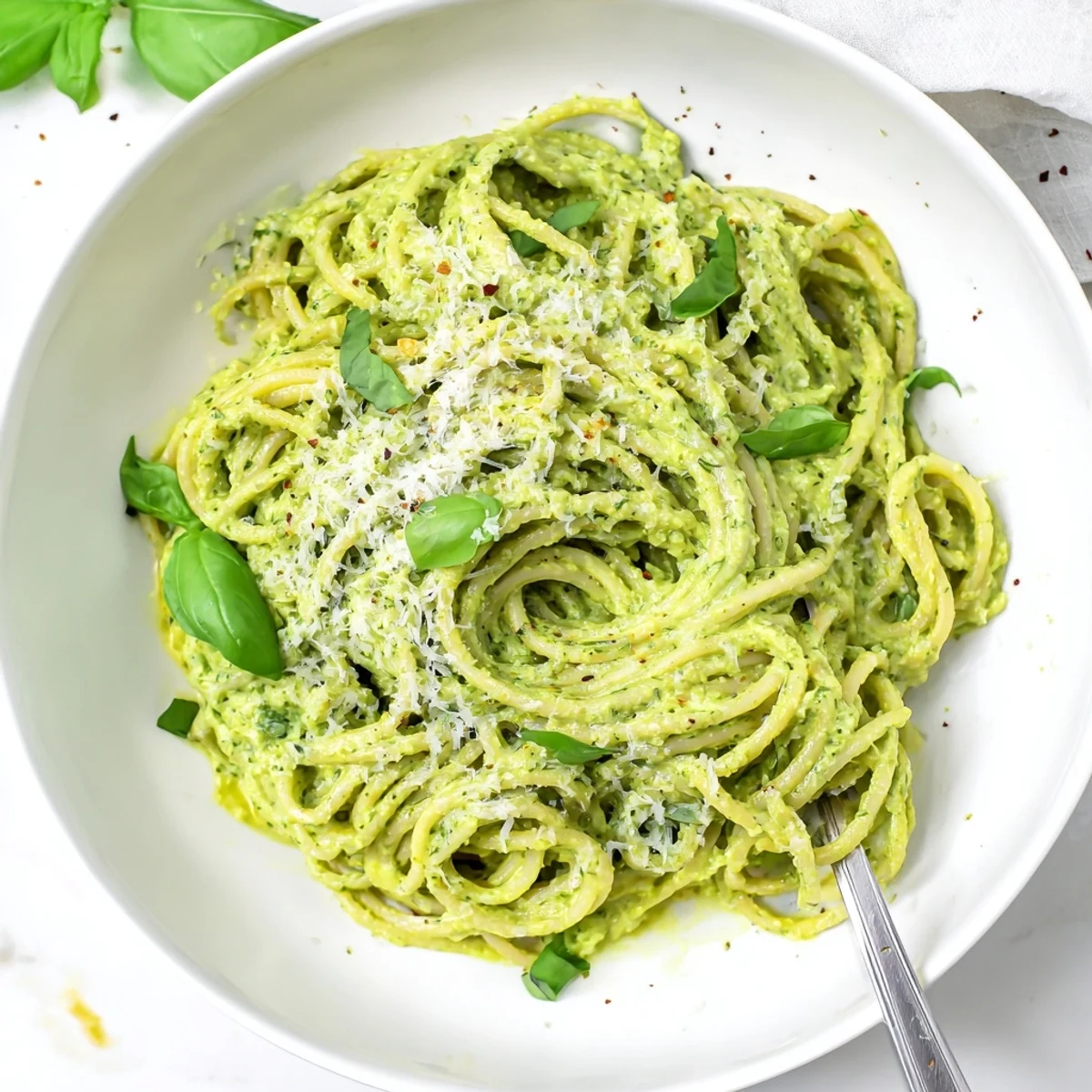
 There is something about watching people go quiet after the first bite that tells you a dish has landed exactly right. This pasta has a way of making a random Tuesday feel like an occasion worth noticing.
Swaps and Variations
I have made this sauce with cilantro instead of parsley when I was out and it tilted the whole bowl toward something almost Mexican and fantastic. You could fold in grilled shrimp or roasted cherry tomatoes if you want to stretch it further. A friend swears by adding a handful of walnuts to the blender for extra richness and I have to admit she is onto something.
Serving and Pairing Ideas
A cold glass of Sauvignon Blanc beside this pasta is pure summer on a plate because the herbal freshness in the wine mirrors what is happening in the bowl. Crusty bread for sauce-soaking is mandatory in my kitchen. A simple arugula salad with lemon vinaigrette on the side keeps things light and gives you another excuse to use those good lemons.
Storage and Make Ahead Notes
The sauce is best the moment it is made but it will keep in the refrigerator for up to one day if you press wrap directly against its surface. Leftover pasta reheats gently with a splash of water in a skillet though the color may darken slightly and honestly it still tastes wonderful. I sometimes blend a double batch of sauce and keep half in a jar to spoon over grain bowls or roasted vegetables later in the week.
- Label the jar with the date so you remember to use it within 24 hours.
- Stir in an extra squeeze of lemon juice right before serving leftovers to revive the brightness.
- Never freeze this sauce because the avocado texture will break and you will be disappointed.
 Save to Pinterest
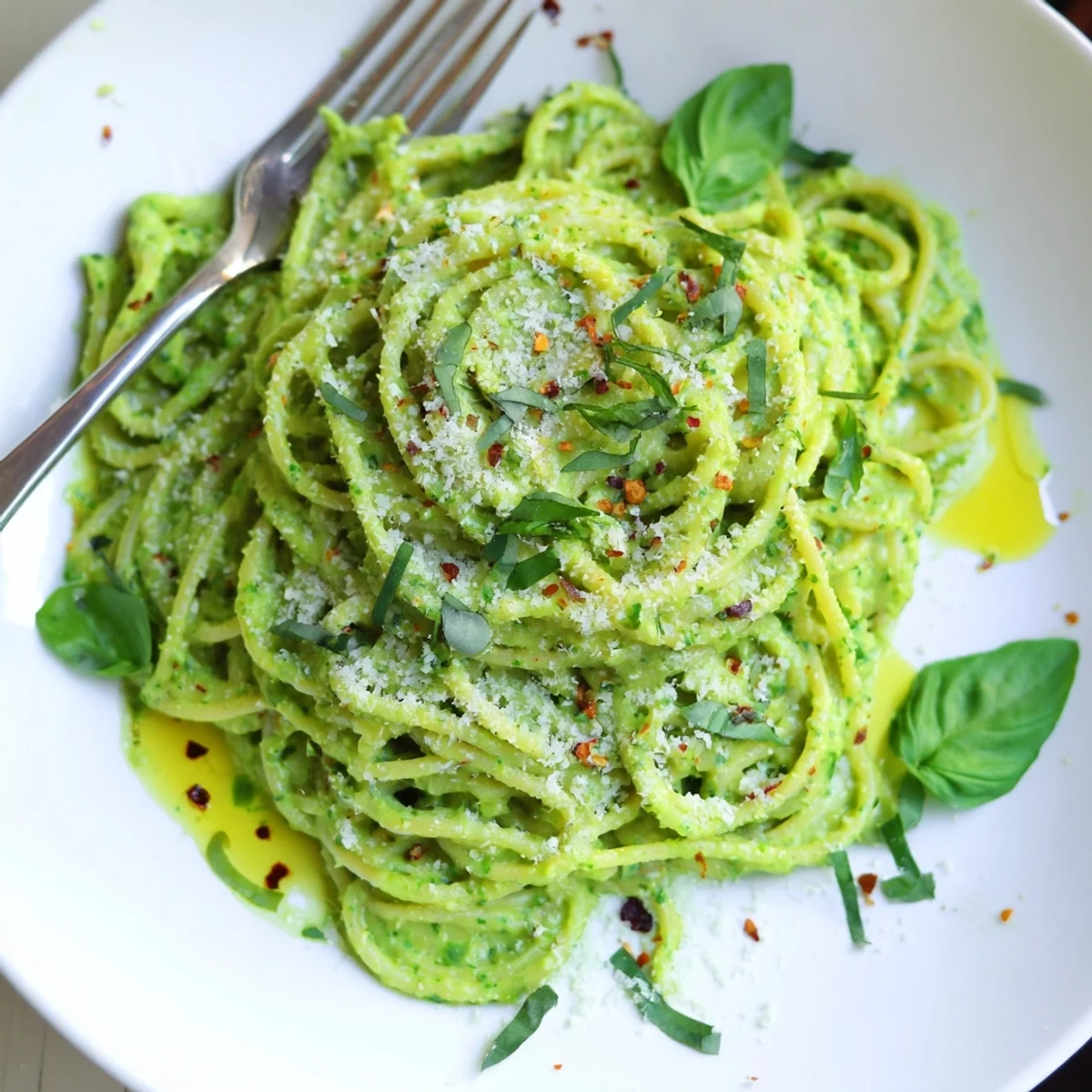
 Keep this recipe in your back pocket for the kind of evening when you want something beautiful without any fuss. Your future self standing at the counter with a fork in hand will thank you.
Recipe FAQs
- → Can I make this sauce without a food processor?
-
Yes, you can use a blender instead of a food processor. A high-speed blender will actually produce an even smoother, creamier texture. If you only have an immersion blender, finely chop the herbs and garlic first, mash the avocado well, then blend everything together in a tall container.
- → What pasta shapes work best with this sauce?
-
Long strands like spaghetti or linguine work beautifully, but the creamy sauce also clings well to fusilli, penne, or farfalle. Short shapes with ridges or curves help catch bits of herbs and hold the sauce in every bite.
- → How do I store leftovers?
-
Store leftover sauced pasta in an airtight container in the refrigerator for up to 2 days. The avocado may cause slight browning — a squeeze of extra lemon juice helps prevent this. Reheat gently with a splash of water to loosen the sauce.
- → Can I make this dairy-free or vegan?
-
Absolutely. Swap the Greek yogurt for a plain plant-based yogurt or cashew cream, and replace the Parmesan with nutritional yeast or vegan cheese. The avocado already provides rich creaminess, so the dairy-free version remains luscious and satisfying.
- → What can I serve with this dish?
-
A crisp green salad with a light vinaigrette pairs perfectly. For protein, grilled chicken, sautéed shrimp, or crispy chickpeas make excellent additions. A glass of Sauvignon Blanc or Pinot Grigio complements the herbal freshness beautifully.
- → Can I use the sauce for anything besides pasta?
-
Definitely. This versatile sauce works as a dip for crudités or crackers, a spread for sandwiches and wraps, a drizzle over grain bowls, or a dressing for roasted vegetables. Its bright, herbaceous flavor enhances many dishes.