
 Save to Pinterest
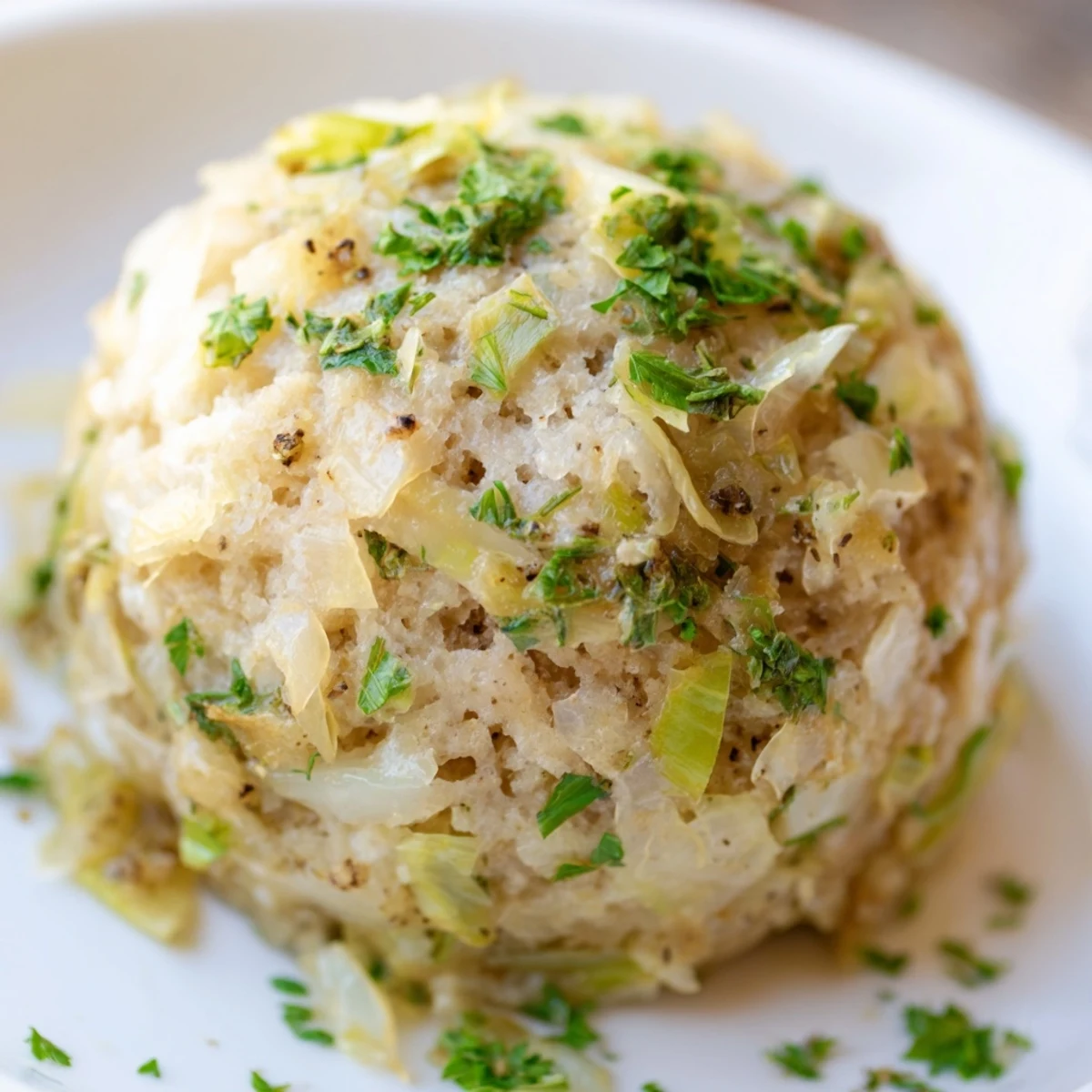
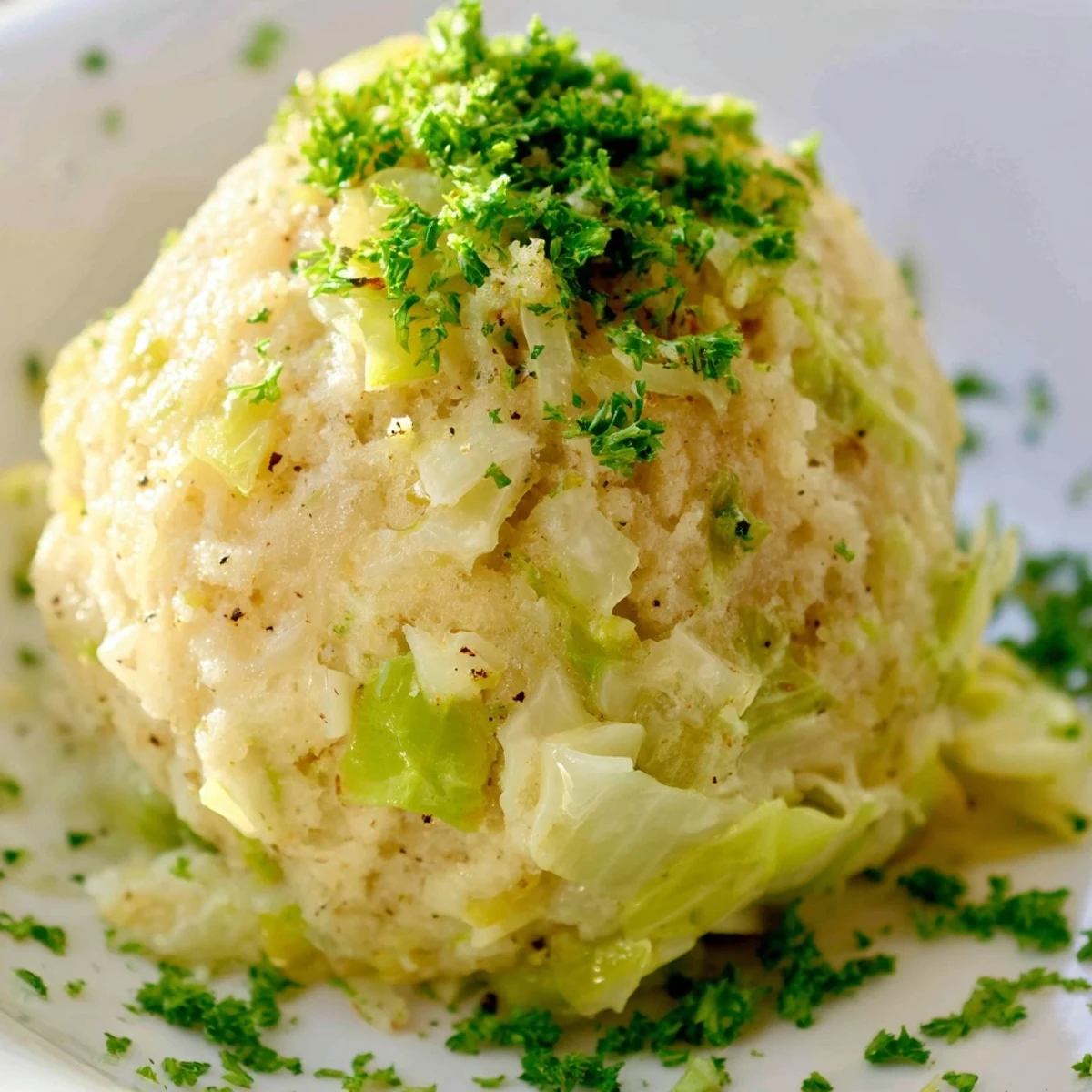
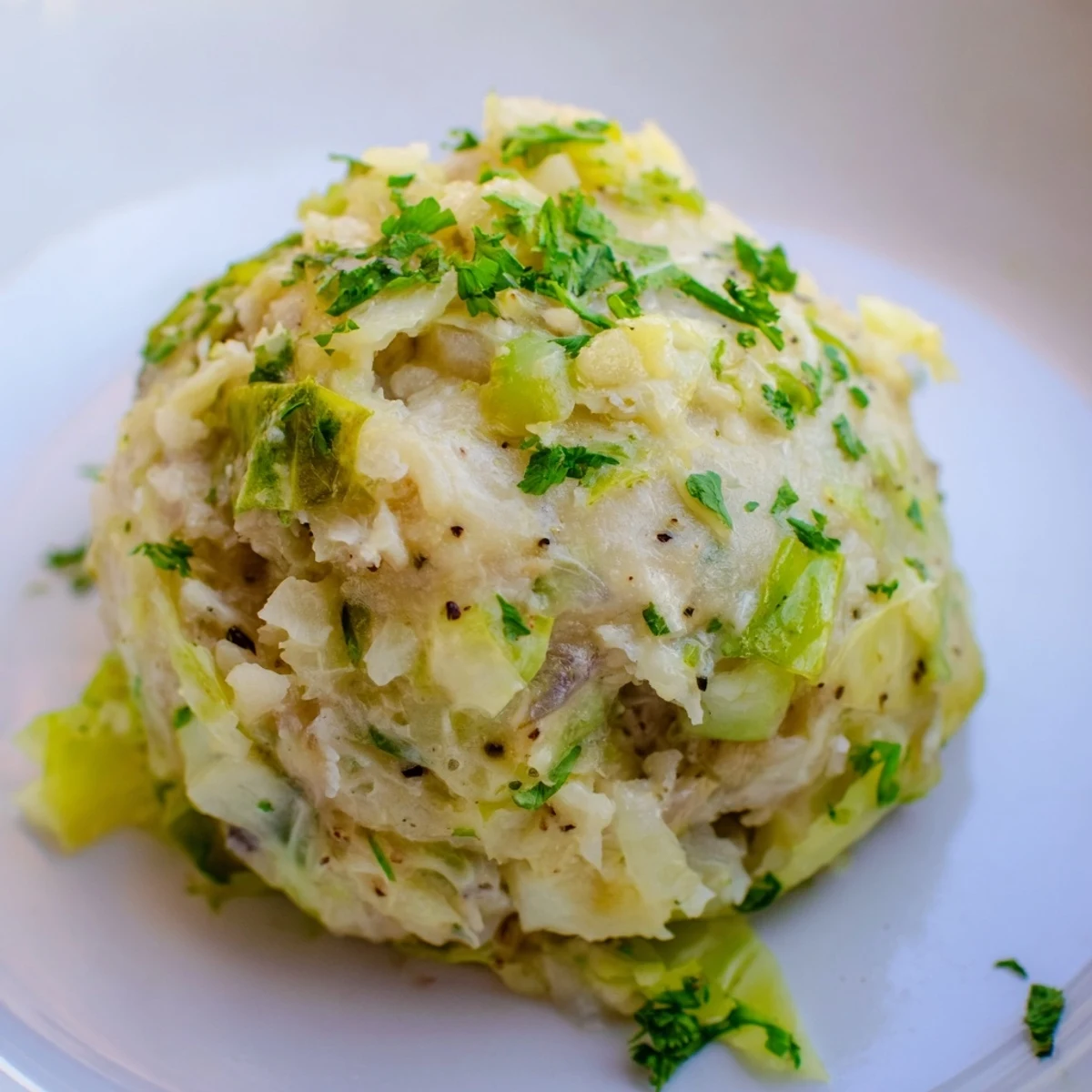
 These traditional German cabbage dumplings feature tender bread-based dumplings filled with softened cabbage, onions, and aromatic nutmeg. Simmered gently in vegetable broth, they emerge light and fluffy—perfect for soaking up sauces or enjoying with melted butter. This comforting dish works beautifully as a satisfying main course or hearty side, offering vegetarian-friendly German comfort food ready in about an hour.
The steam from my grandmother's tiny kitchen would curl around the doorframe every Sunday, carrying that unmistakable scent of butter and cabbage. I'd sit on the stairs watching her work, hands moving instinctively as she pressed the dumpling mixture between her palms. She never measured anything, yet each dumpling emerged from the simmering broth exactly the same size. It took me years to understand that some recipes are learned through touch and smell more than tablespoons and grams.
Last winter, during that relentless snowstorm that kept us housebound for three days, I made a triple batch for my neighbors. We ended up eating around my coffee table, passing bowls of steaming dumplings and telling stories until the fireplace died down. Something about this dish brings people together, maybe because it's meant to be shared slowly, with good conversation and second helpings.
Ingredients
- 1 small head green cabbage: Fresh cabbage releases more moisture during cooking, which keeps the dumplings from becoming dense
- 1 medium onion: Dice it finely so it disperses evenly throughout the dumpling mixture
- 2 tbsp unsalted butter: This browns beautifully and adds a nutty depth that you cannot achieve with oil alone
- 2 large eggs: Room temperature eggs incorporate better into the bread mixture
- 120 ml whole milk: The milk needs to fully saturate the bread cubes, so don't rush this step
- 200 g day-old white bread: Stale bread absorbs liquid without turning gummy, which is the secret to the perfect texture
- 60 g all-purpose flour: This just binds everything together, so don't be tempted to add more
- 1/2 tsp ground nutmeg: Freshly grated nutmeg makes a noticeable difference in the aromatic finish
- 1/2 tsp ground black pepper: The warmth of pepper balances the sweetness of the cooked cabbage
- 1 tsp salt: Adjust this based on whether your vegetable broth is salted
- 2 tbsp fresh parsley: Flat-leaf parsley has more flavor than curly, and it brightens the whole dish
- 1.5 liters vegetable broth: A gentle simmer is crucial here, so keep the heat low and steady
Instructions
- Cook the cabbage mixture:
- Melt the butter in a large skillet over medium heat until it foams slightly. Add the onion and cook for 2-3 minutes until it turns translucent and fragrant. Stir in the shredded cabbage with a pinch of salt and cook for 10-12 minutes, letting it soften and take on some golden color. Set it aside to cool while you prepare the bread mixture.
- Prepare the bread base:
- Place the bread cubes in a large bowl and pour the milk over them. Let this sit for 5-10 minutes, giving the bread time to soften completely. Use a fork to mash the soaked bread into a uniform paste, leaving some small texture rather than making it perfectly smooth.
- Combine everything:
- Add the eggs, flour, nutmeg, pepper, salt, and parsley to the bread mixture. Fold in the cooled cabbage mixture until everything is evenly distributed. The dough should be slightly sticky and hold its shape when formed.
- Shape the dumplings:
- Wet your hands with cold water to prevent sticking. Scoop about 1/3 cup of mixture and gently shape it into a round dumpling, being careful not to pack it too tightly. Place each formed dumpling on a damp surface while you shape the remaining mixture.
- Simmer to perfection:
- Bring the vegetable broth to a gentle simmer, not a rolling boil. Carefully lower the dumplings into the broth and let them cook for 18-20 minutes. They're done when they feel firm and spring back when pressed lightly.
- Serve them up:
- Lift the dumplings from the broth with a slotted spoon, letting any excess liquid drain back into the pot. Transfer them to warmed bowls and garnish with additional fresh parsley if you like.
 Save to Pinterest
 My youngest daughter helped me make these last weekend, and she insisted on shaping every single dumpling herself. They came out in gloriously imperfect sizes, some barely golf ball sized, others approaching tennis balls, but she was so proud that we served them exactly as she made them. Sometimes the most beautiful meals are the ones that don't look perfect.
Getting the Texture Right
The difference between a dense hockey puck and a cloudlike dumpling comes down to how you handle the bread mixture. When you're combining everything, stop as soon as the ingredients are incorporated, even if there are still some small lumps visible. Overworking the mixture develops gluten and makes the final product tough rather than tender.
Serving Suggestions
These dumplings shine alongside a simple green salad dressed with vinegar and mustard vinaigrette, which cuts through their richness. In Germany, they're often served with brown butter and crispy breadcrumbs, or topped with a dollop of sour cream and a sprinkle of chives. They also pair beautifully with roasted root vegetables or a simple tomato soup for a complete meal.
Making Ahead and Storage
You can prepare the cabbage mixture up to two days in advance and store it in the refrigerator. The dumpling mixture can also be shaped and stored on a parchment-lined baking sheet, covered tightly, for several hours before cooking. Cooked dumplings reheat surprisingly well in a steamer basket, though they're at their absolute best straight from the simmering broth.
- Cooked dumplings keep in the refrigerator for 2-3 days when stored in an airtight container
- Freeze uncooked dumplings on a baking sheet before transferring to a freezer bag for up to 3 months
- Reheat frozen dumplings directly in simmering broth without thawing first
 Save to Pinterest
 There's something deeply satisfying about watching these humble ingredients transform into something so comforting and nourishing. I hope this recipe finds its way into your own collection of kitchen traditions.
Recipe FAQs
- → What makes these dumplings authentic German style?
-
The combination of bread cubes soaked in milk, finely shredded cabbage cooked with onions, and warm spices like nutmeg creates the traditional German dumpling profile known as Semmelknödel with a vegetable twist.
- → Can I make these ahead of time?
-
Yes, you can prepare the dumpling mixture several hours in advance and refrigerate. Shape and simmer them just before serving for the best texture. Leftovers reheat gently in simmering broth or steam.
- → What's the best way to serve cabbage dumplings?
-
These dumplings pair wonderfully with creamy mushroom sauce, melted butter, or rich meat gravies. They also complement roasted meats, sauerbraten, or can stand alone as a satisfying vegetarian main dish.
- → How do I know when the dumplings are done?
-
The dumplings are cooked when they float to the surface and feel firm to the touch—about 18-20 minutes of gentle simmering. Avoid boiling vigorously, as this can cause them to break apart.
- → Can I freeze uncooked dumplings?
-
Yes, shape the raw dumplings and place them on a baking sheet to freeze individually. Once frozen, transfer to a freezer bag. Cook them directly from frozen, adding a few extra minutes to the simmering time.
- → What bread works best for this recipe?
-
Day-old white bread with crusts removed works best—sturdy enough to hold structure but soft enough to absorb milk. German-style rolls or baguette work well. Avoid very soft sandwich bread that may become too mushy.