
 Save to Pinterest
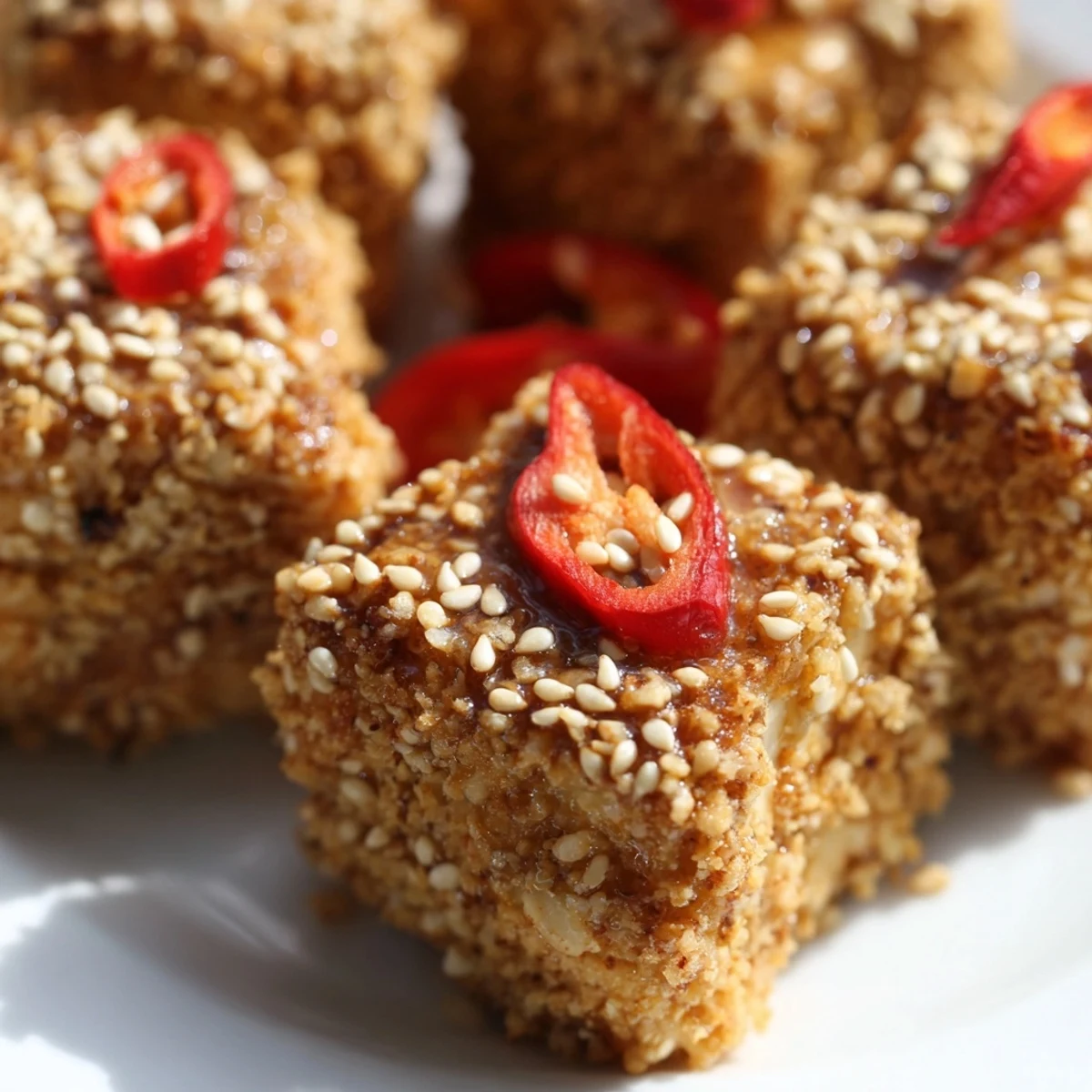
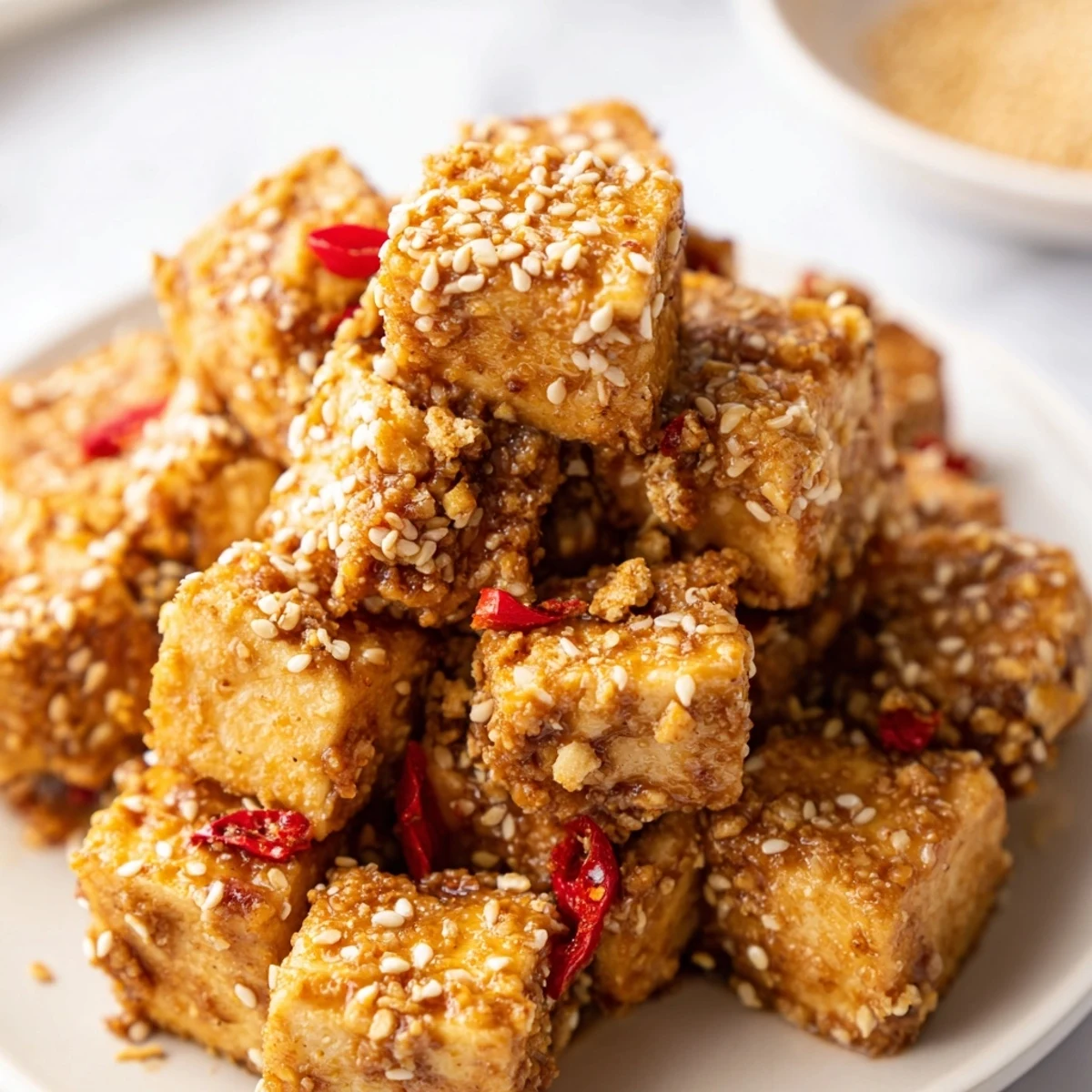
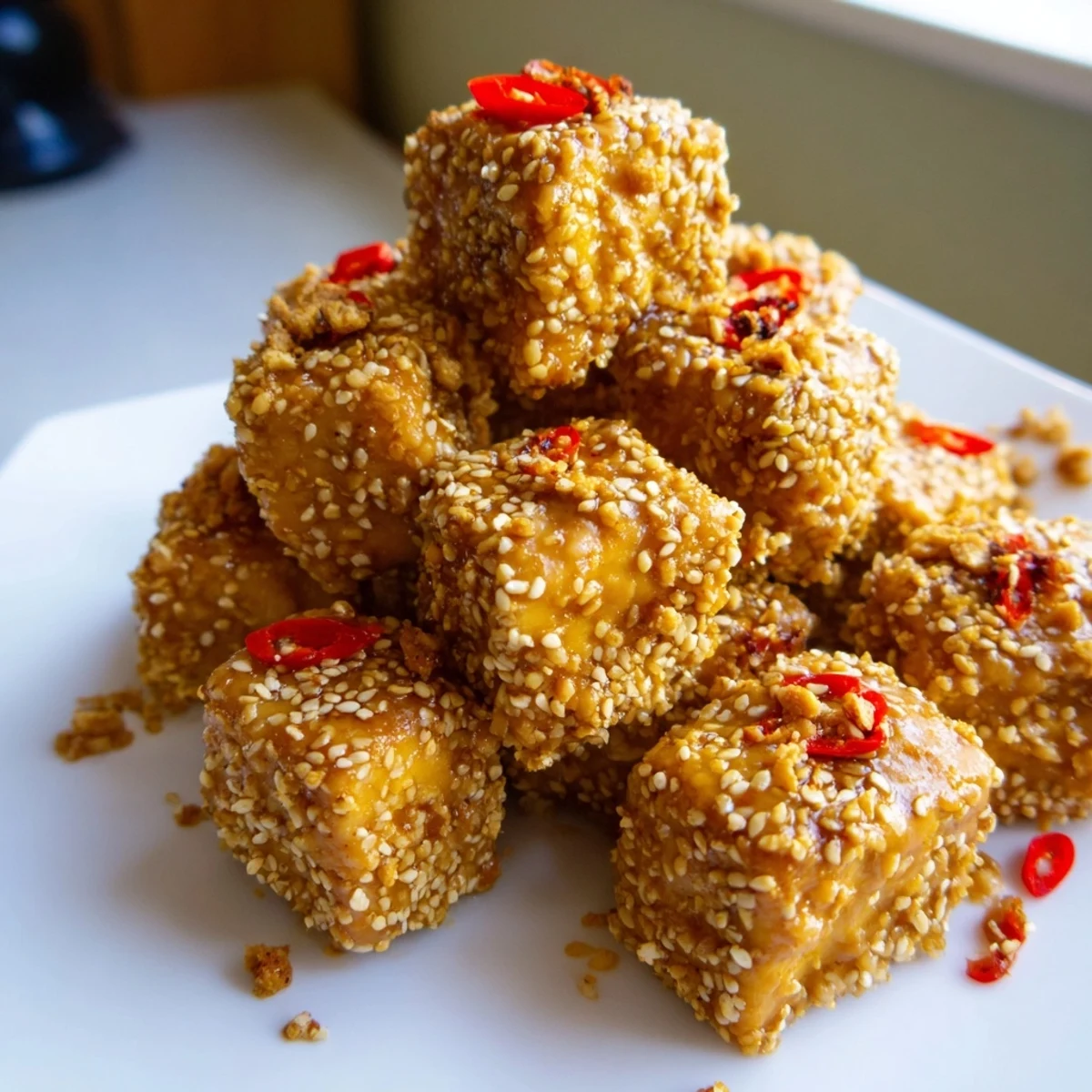
 This dish features golden, oven-baked tofu cubes coated in cornstarch and baked to crispy perfection. The tofu is then tossed in a luscious sesame peanut sauce made from creamy peanut butter, soy sauce, sesame oil, rice vinegar, and a hint of spice. Garnished with toasted sesame seeds, green onions, and optional chili, it creates a protein-rich vegan option that pairs wonderfully with rice or noodles.
Easy to prepare and packed with texture and flavor, it's perfect as a main or appetizer for gatherings and meals that celebrate Asian-inspired flavors.
I discovered this recipe on a weeknight when I had nothing but tofu and peanut butter in my kitchen, and somehow it became the dish I crave most now. There's something magical about how cornstarch transforms soft tofu into golden, crackling cubes that actually have texture—it was a small kitchen win that felt bigger than it should have. The sesame peanut sauce came together so effortlessly that I wondered why I'd been ordering this from restaurants for years. Now it's the first thing I make when I want something satisfying, protein-packed, and utterly foolproof.
I made this for my partner last spring when they were skeptical about tofu, and watching their face light up when they tasted it was worth every minute. The kitchen smelled incredible—that nutty sesame oil mingling with the caramel-brown edges of the tofu—and they went back for thirds without even realizing it. That moment taught me that good food doesn't need to be complicated to feel like love on a plate.
Ingredients
- Extra-firm tofu, 400 g: This is non-negotiable—soft tofu will turn into mush no matter how patient you are with pressing and baking, so buy the firm kind you can actually hold.
- Cornstarch, 2 tbsp: This is the secret weapon that creates that shatter-when-you-bite-it texture; it's what separates crispy tofu from sad, steamed tofu.
- Neutral oil, 2 tbsp: You need enough to coat the tofu so it can brown properly, but not so much that you end up with oily cubes.
- Sea salt and black pepper: Simple, but seasoning at this stage means the flavor goes all the way through instead of just sitting on the surface.
- Creamy peanut butter, 3 tbsp: Use the kind with minimal added sugar—it should taste like peanuts first, sweetness second.
- Soy sauce, 1.5 tbsp: The umami backbone that makes everything taste richer than it has any right to be.
- Toasted sesame oil, 1 tbsp: A little goes a long way; this oil is intense and aromatic, so don't skimp or overdo it.
- Rice vinegar, 1 tbsp: Brings brightness and cuts through the richness so the sauce doesn't feel heavy.
- Maple syrup or honey, 1 tbsp: Just enough sweetness to balance the heat and salt without making it taste like dessert.
- Sriracha or chili garlic sauce, 1–2 tsp: Optional, but it adds a gentle warmth and makes the sauce more interesting.
- Warm water, 2 tbsp: This loosens the sauce to the perfect pourable consistency, so add it gradually and taste as you go.
- Sesame seeds, green onions, and red chili for garnish: These finish the dish with color, texture, and a fresh bite that makes people pause and ask for the recipe.
Instructions
- Heat your oven and prepare:
- Preheat to 220°C (425°F) and line a baking sheet with parchment paper—this prevents sticking and makes cleanup effortless.
- Press the tofu dry:
- Wrap your tofu block in a clean kitchen towel and set a heavy object (a cast iron pan, canned goods, whatever you have) on top for 10–15 minutes. This removes the excess moisture that would otherwise steam the tofu instead of letting it crisp up nicely.
- Cut into cubes:
- Slice the pressed tofu into roughly 2 cm cubes—they should be substantial enough to stay intact but not so large that the inside stays soft.
- Coat with seasoning:
- In a bowl, gently toss the tofu cubes with cornstarch, oil, salt, and pepper until every piece is evenly coated. The cornstarch should look like a thin, dusty layer—this is what creates the crispiness.
- Spread and bake:
- Arrange the cubes in a single layer on your prepared sheet—don't crowd them or they'll steam instead of roast. Bake for 25–30 minutes, flipping halfway through, until the edges are golden brown and the tofu sounds crispy when you tap it.
- Make the sauce:
- While the tofu bakes, whisk together the peanut butter, soy sauce, sesame oil, rice vinegar, maple syrup, sriracha if using, and warm water until you have a smooth, pourable sauce. Start with less water and add more if needed—you want it to coat the tofu without pooling.
- Bring it together:
- Transfer the hot, crispy tofu to a large bowl, pour the sauce over it, and gently toss to coat so every cube gets a good covering without breaking apart.
- Serve with style:
- Transfer to a serving dish and shower it with sesame seeds, sliced green onions, and red chili if using. Serve right away while the tofu is still warm and crispy, alongside steamed rice, noodles, or stir-fried vegetables.
 Save to Pinterest
 There's a moment near the end of cooking when you flip those tofu cubes and the kitchen fills with the smell of caramelizing sesame and peanut that makes everything feel worth it. I learned to hold my breath and listen for that small, satisfying crackle when you bite into a cube—that sound is the whole reason this dish works, and it never gets old.
Why This Sauce Works So Well
The genius of this sauce is that it balances every flavor at once—the nuttiness of peanut butter and sesame oil, the salty umami of soy sauce, the brightness of vinegar, the warmth of optional chili—without any single note overpowering the others. When you taste it straight from the bowl before tossing with tofu, it might seem intense, but the moment it coats those crispy cubes, it becomes perfectly balanced. The warm water is crucial because it carries all those flavors into every corner, making the whole dish cohesive instead of feeling like you're eating tofu with sauce on the side.
What to Serve Alongside
This tofu shines brightest when paired with something mild and absorbent—steamed white or brown rice soaks up that sauce beautifully, or if you want something more interesting, jasmine rice adds a subtle fragrance. Noodles work wonderfully too, especially if you toss them with a bit of sesame oil and soy sauce first. Stir-fried vegetables like bok choy, snap peas, or broccoli add color and crunch without competing for attention.
Beyond the Basics
Once you understand how this works, it becomes endlessly adaptable without losing its soul. You can swap the peanut butter for tahini or almond butter if you want a lighter version, or add a tablespoon of minced ginger and garlic to the sauce for deeper flavor. Some nights I add crushed peanuts or cashews on top for extra crunch, and other times I drizzle it with a touch of chili oil just before serving.
- Make it heartier by tossing the finished dish with cooked rice noodles or adding a handful of steamed spinach.
- Prep the sauce ahead of time so you can make this in just the time it takes to bake the tofu.
- Leftovers taste even better the next day when all the flavors have gotten to know each other.
 Save to Pinterest
 This dish has become my answer to the question what do you make when you want to feel like you're taking care of yourself. It's nourishing and delicious in a way that feels generous, whether you're cooking for yourself or sharing it with people who matter.
Recipe FAQs
- → How do you achieve crispy tofu in the oven?
-
Coat tofu cubes evenly with cornstarch and bake them on a parchment-lined sheet at high heat (220°C/425°F), flipping halfway for an even golden crisp.
- → Can I substitute peanut butter in the sauce?
-
Yes, almond or cashew butter can replace peanut butter for a different nutty flavor while maintaining creaminess.
- → Is there a way to make the sauce gluten-free?
-
Use tamari instead of soy sauce to keep the sauce gluten-free without sacrificing depth of flavor.
- → What sides complement this tofu dish well?
-
Steamed rice, noodles, or stir-fried vegetables pair beautifully, balancing the rich, nutty sauce and crispy tofu texture.
- → How can I adjust the spice level in the sauce?
-
Add sriracha or chili garlic sauce gradually to suit your preferred heat intensity, or omit it for a milder taste.