
 Save to Pinterest
 Master the art of creating fresh, velvety almond milk in your own kitchen. This straightforward method transforms raw almonds into a versatile dairy-free alternative that rivals store-bought versions in both taste and texture. The process involves soaking the nuts overnight, blending with filtered water, and straining through a nut milk bag for the silkiest results. You can customize the flavor with vanilla, maple syrup, or sea salt, and even experiment with chocolate or cinnamon variations. The leftover almond pulp adds value to your kitchen - perfect for incorporating into baked goods, smoothies, or energy bites. Your homemade creation stays fresh in the refrigerator for 4-5 days and provides a clean, additive-free option for your daily beverages and cooking needs.
The whir of my blender at six in the morning used to drive my roommate absolutely crazy, but once she tasted the result poured over fresh granola, she started setting out the almonds for me the night before. Making almond milk at home is one of those small rituals that turns a mundane Tuesday into something quietly satisfying. The whole process takes barely ten minutes of active work, and the reward is a silky, fragrant milk that makes anything from the store taste flat by comparison.
My friend Maria swears she hated almond milk until she watched me squeeze the last drops from a nut milk bag over her kitchen sink, handed her a still cold glass, and watched her eyes go wide with surprise at how different it tasted from the shelf stable version she had written off years ago.
Ingredients
- 1 cup raw almonds: Use truly raw unsalted almonds, not the roasted kind, because roasting changes the flavor entirely and makes the milk taste oddly heavy.
- 4 cups filtered water: Since water is the main ingredient, use the best tasting water you have access to and your milk will be noticeably cleaner on the palate.
- 1 to 2 tablespoons maple syrup or honey (optional): A light sweetness rounds out the nuttiness, and maple syrup in particular adds a cozy warmth that pairs beautifully with morning oatmeal.
- 1 teaspoon vanilla extract (optional): This small addition makes the milk taste like a treat rather than a health project.
- Pinch of sea salt (optional): Salt does not make it salty, it makes it taste more like itself, and this single pinch is the difference between flat and vibrant.
Instructions
- Soak the almonds:
- Cover the almonds with plenty of water in a bowl and leave them on the counter for at least eight hours or tucked in the fridge overnight until they look plump and slightly bloated. Drain them well and give a thorough rinse under cool running water.
- Blend until velvety:
- Toss the soaked almonds into a high speed blender with four cups of fresh filtered water and run it on high for one to two minutes until the liquid looks creamy white and no large chunks remain. The sound will shift from a harsh grind to a smooth hum when it is ready.
- Add flavor if you like:
- Drop in your sweetener, vanilla extract, and that tiny pinch of salt, then blend for just a few seconds to bring everything together without overworking the mixture.
- Strain the milk:
- Drape a nut milk bag or a double layer of cheesecloth over a large bowl or pitcher and slowly pour the blended mixture through it, watching the white milk separate from the damp pulp. Gather the cloth and squeeze firmly with clean hands to press out every last drop.
- Bottle and chill:
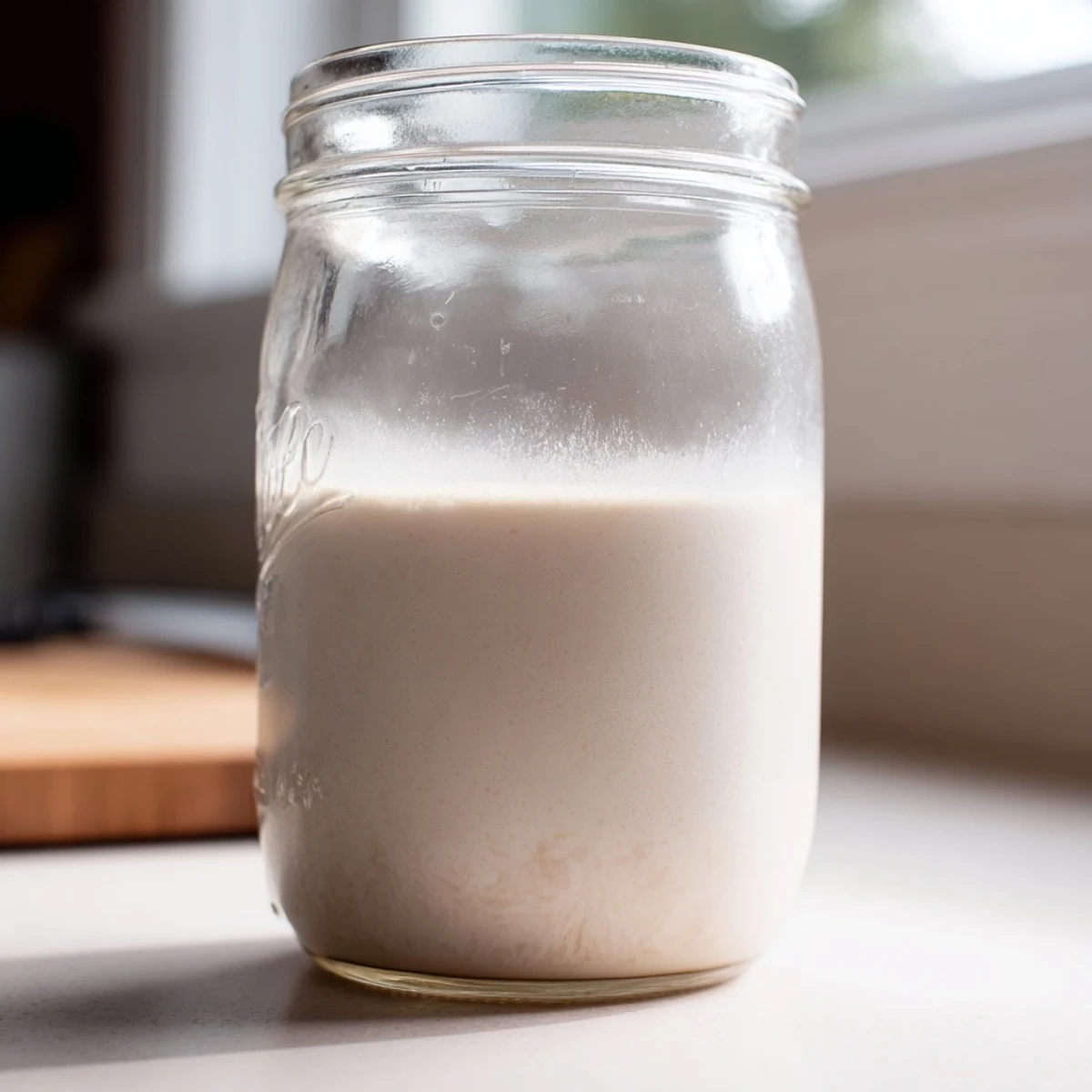
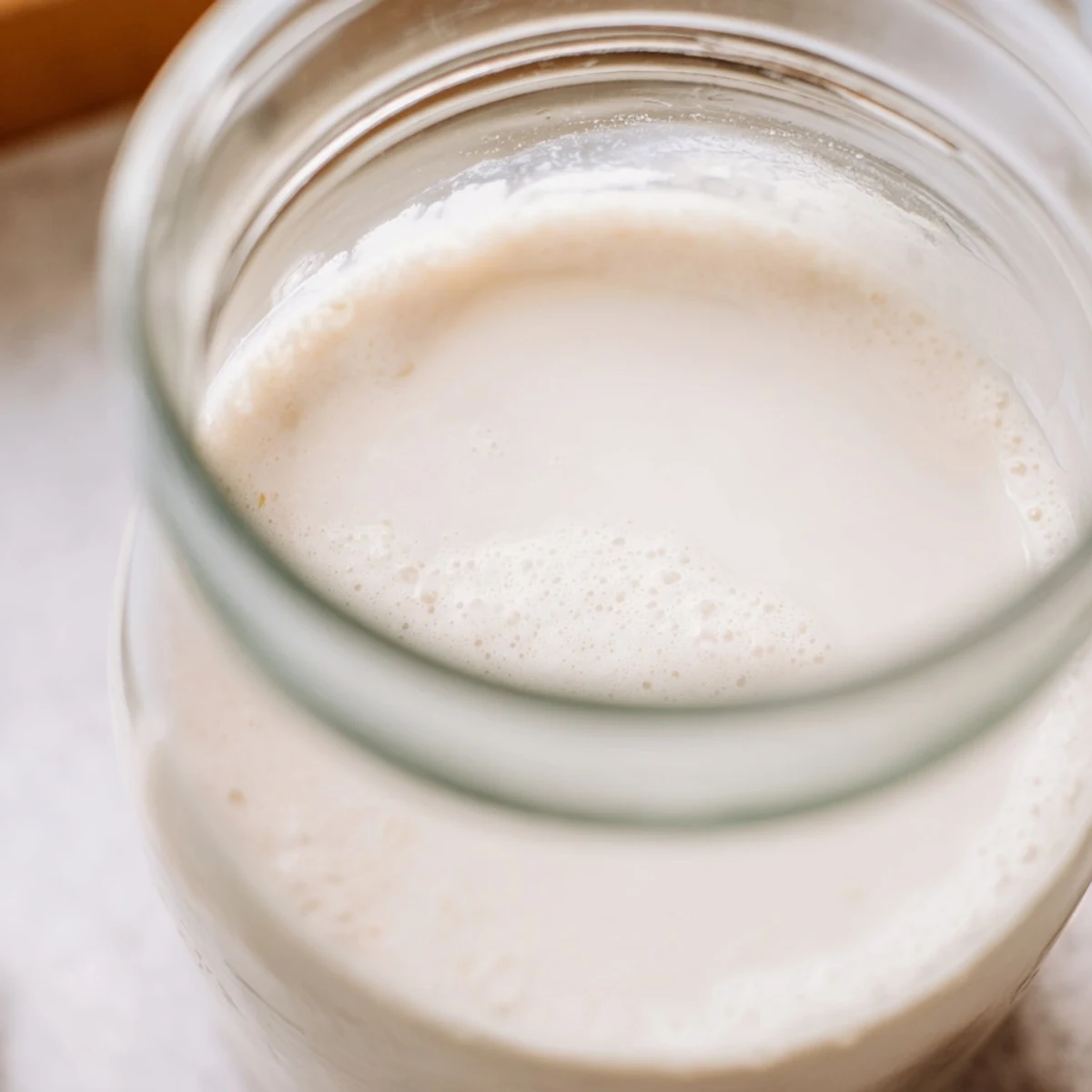
- Pour the strained milk into a clean glass bottle or mason jar, seal it tight, and tuck it into the coldest part of your refrigerator where it will keep for four to five days. Remember to give it a vigorous shake before each use because natural separation is completely normal.
 Save to Pinterest
 There is something oddly meditative about standing at the sink with a damp nut milk bag, squeezing gently, watching this creamy liquid emerge from what looks like a pile of wet sand. That quiet repeating gesture became my favorite part of Sunday mornings, a small pocket of calm before the week begins.
Choosing the Right Almonds
Not all raw almonds behave the same way in milk, and I learned this after buying a discounted bag from a bulk bin that produced oddly gray, bitter tasting results. Fresh almonds from a trusted source, ideally ones that have been stored in a cool dark place, will give you the sweetest and cleanest flavor. If your almonds taste papery or stale when you nibble one raw, your milk will taste that way too.
Getting the Texture You Want
The ratio of almonds to water is your dial for thickness, and once you find your preference you will never look at a recipe again. Four cups of water produces a drinkable everyday milk, while three cups yields something closer to half and half that sits luxuriously in coffee. I keep a small piece of tape on my blender jar marking both lines so I can decide each batch based on mood.
Flavor Variations Worth Trying
Plain almond milk is a blank canvas and the minute you start playing with add ins it becomes genuinely fun rather than just practical.
- Stir in a tablespoon of cocoa powder and a bit of extra sweetener for a chocolate version that disappears fast with kids.
- Toss in a cinnamon stick or half a teaspoon of ground cinnamon while blending for a warm spiced milk that feels like autumn in a glass.
- Add a pitted date instead of maple syrup for sweetness that also contributes body and a faint caramel note.
 Save to Pinterest
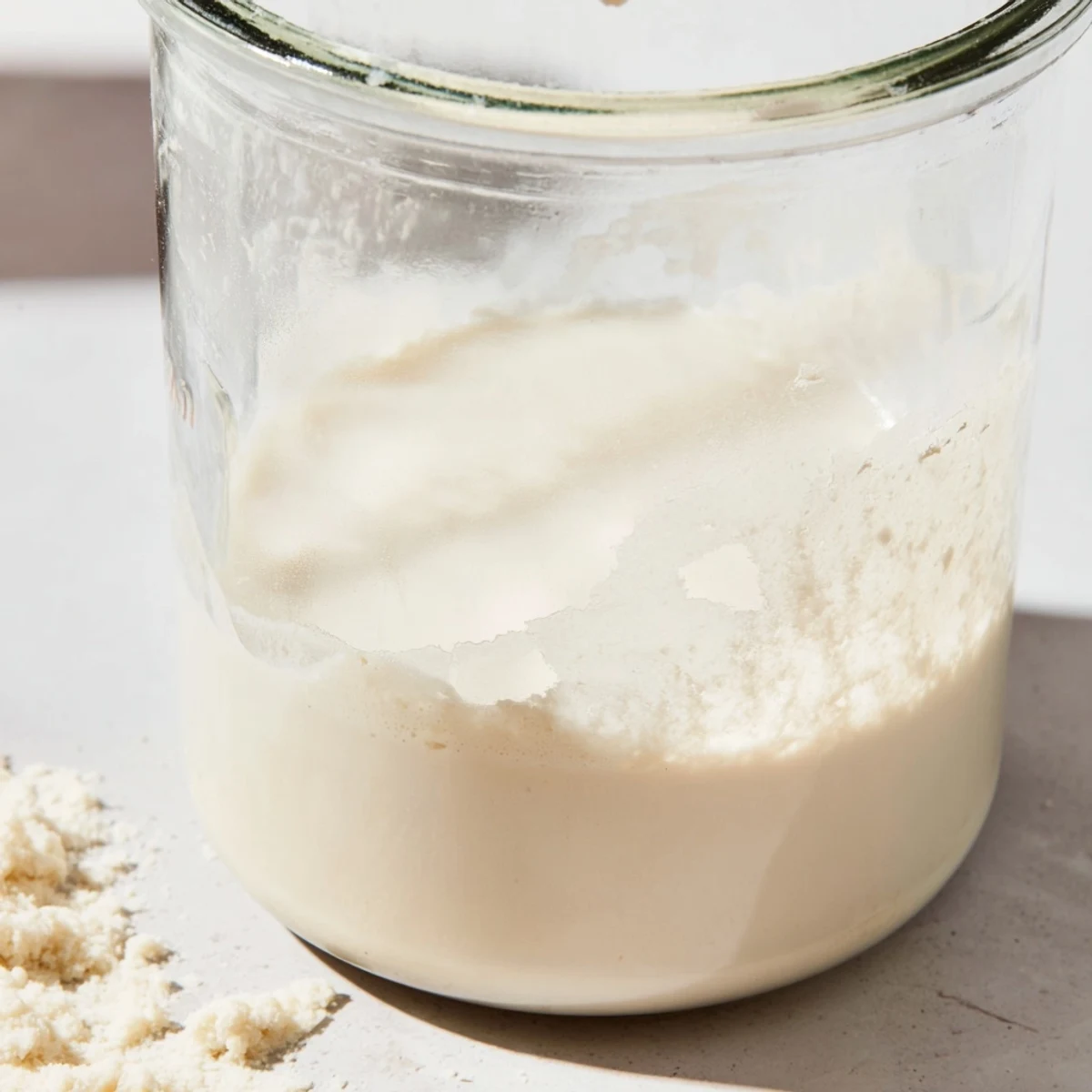
 Once you have homemade almond milk sitting in your fridge, the store bought version starts to taste like a rumor of something real, and that quiet realization is worth every squeeze of the nut milk bag.
Recipe FAQs
- → How long should I soak the almonds?
-
Soak raw almonds for at least 8 hours or overnight in plenty of water. This softens the nuts, making them easier to blend and helping release their creamy texture. Drain and rinse thoroughly before blending.
- → Can I use roasted almonds instead of raw?
-
Raw almonds work best as they produce a neutral, creamy flavor. Roasted almonds will yield darker milk with a distinct nutty taste that may not work well in all applications.
- → How do I make the milk extra creamy?
-
Reduce the water ratio to 3 cups instead of 4, or blend the mixture longer. Straining slowly through a double-layered nut milk bag also ensures maximum smoothness.
- → What can I do with the leftover almond pulp?
-
Dehydrate the pulp and grind it into almond flour, add it to smoothies for extra fiber and protein, mix it into oatmeal or energy bites, or incorporate it into cookie and muffin batters.
- → Does homemade almond milk need to be cooked?
-
No cooking required. The blending and straining process creates ready-to-drink milk. Store it immediately in the refrigerator and consume within 4-5 days for best quality.
- → Can I freeze homemade almond milk?
-
Yes, freeze in airtight containers or ice cube trays. Note that the texture may separate slightly after thawing - simply shake well or blend briefly to restore consistency.