
 Save to Pinterest
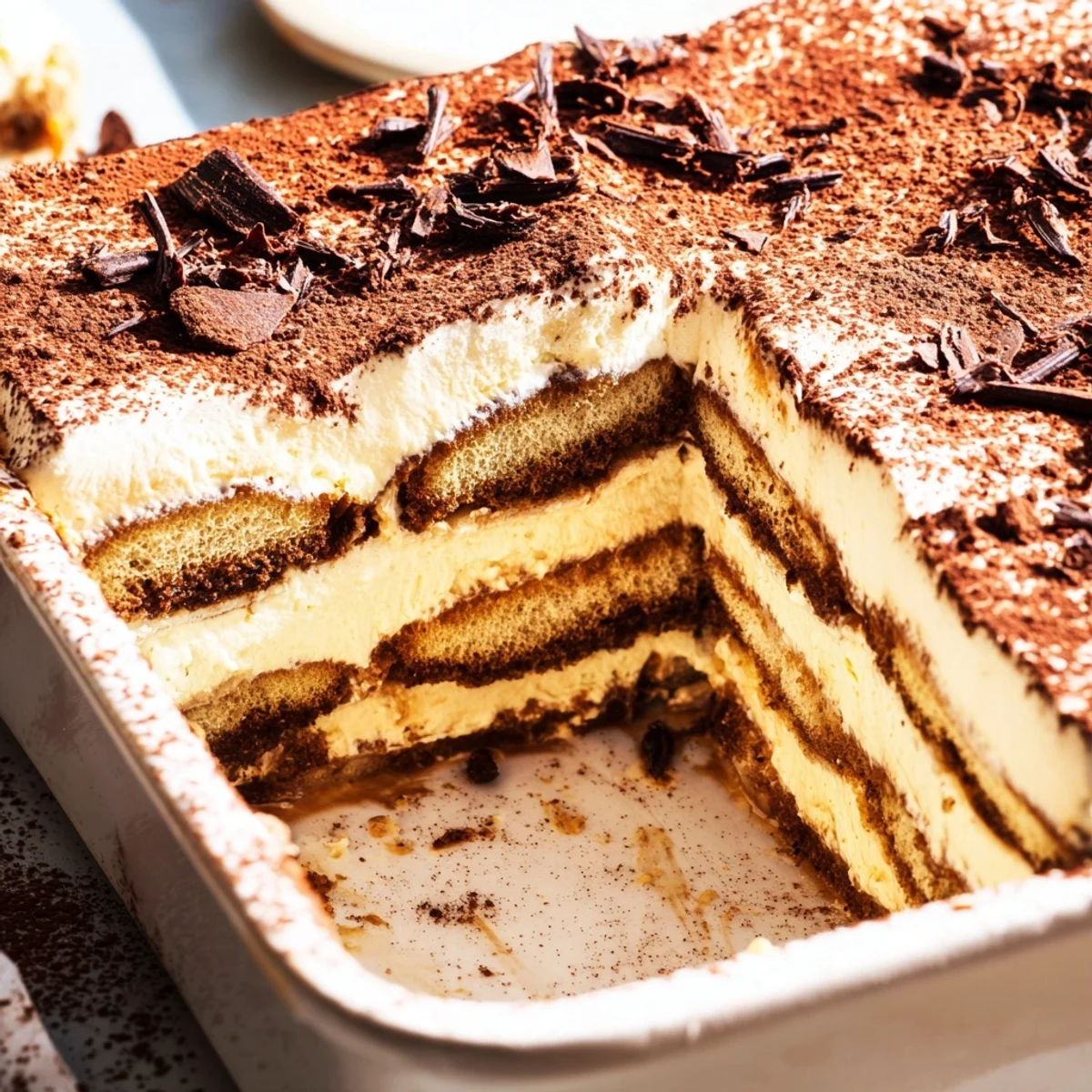
 This beloved Italian dessert combines delicate ladyfingers briefly dipped in strong espresso with a luxuriously creamy mascarpone filling. The magic happens during chilling, when flavors meld together and the texture transforms into something silky and indulgent. A final dusting of unsweetened cocoa powder adds the perfect bitter contrast to the sweet, creamy layers below.
The key lies in not oversoaking the ladyfingers—just a quick dip ensures they soften without becoming soggy. While traditional preparation calls for overnight chilling, four hours yields beautifully set results. For an adult variation, coffee liqueur adds depth, though the dessert remains equally delicious without it.
The first time I attempted tiramisu, I made the rookie mistake of actually soaking the ladyfingers. What should have been elegant layers turned into a sad, soupy mess that my husband politely described as "an interesting interpretation." That disaster taught me everything about what this dessert should be—creamy but structured, coffee-forward without being bitter, and absolutely requiring that crucial chilling time.
I made this for my Italian neighbors last summer, and the grandmother actually approved. She told me her secret was always room temperature ingredients and never rushing the folding process. We stood in her kitchen, dipping ladyfingers and talking about how the best desserts are often the simplest ones taught through generations.
Ingredients
- 500 g mascarpone cheese: Full fat is essential here, and please bring it to room temperature or it will seize when you try to fold it
- 4 large egg yolks: Use pasteurized eggs if you are concerned about raw egg safety
- 100 g granulated sugar: This amount perfectly balances the bitter espresso without making the dessert cloyingly sweet
- 1 tsp pure vanilla extract: Real vanilla makes a noticeable difference in the cream layer
- 250 ml heavy cream: Must be very cold from the fridge to whip properly
- 300 ml strong espresso, cooled: The espresso should be strong but not scorching hot when dipping
- 3 tbsp coffee liqueur: Kahlúa or Marsala add depth, but you can skip it for a non alcoholic version
- 200 g ladyfingers: Traditional savoiardi are sturdier than the softer sponge cake fingers
- Unsweetened cocoa powder: Use a fine sifter for that professional looking dusted finish
- Dark chocolate shavings: These add a lovely bitter contrast to the sweet cream
Instructions
- Prepare the yolk base:
- Whisk egg yolks and sugar over gently simmering water until pale and thickened, about 3 to 4 minutes. Remove from heat and let cool slightly.
- Make the mascarpone cream:
- Fold mascarpone and vanilla into the yolk mixture until smooth.
- Whip the heavy cream:
- Beat cold heavy cream to stiff peaks in a separate bowl.
- Combine the mixtures:
- Gently fold whipped cream into mascarpone mixture until just combined.
- Mix the coffee dip:
- Combine cooled espresso with coffee liqueur in a shallow dish.
- Dip the first layer:
- Quickly dip each ladyfinger 1 to 2 seconds per side and arrange in a 23 x 23 cm dish.
- Add first cream layer:
- Spread half the mascarpone cream evenly over ladyfingers.
- Build second layer:
- Add another layer of dipped ladyfingers and top with remaining cream.
- Chill thoroughly:
- Refrigerate at least 4 hours or preferably overnight.
- Finish before serving:
- Dust generously with cocoa powder and add chocolate shavings if desired.
 Save to Pinterest
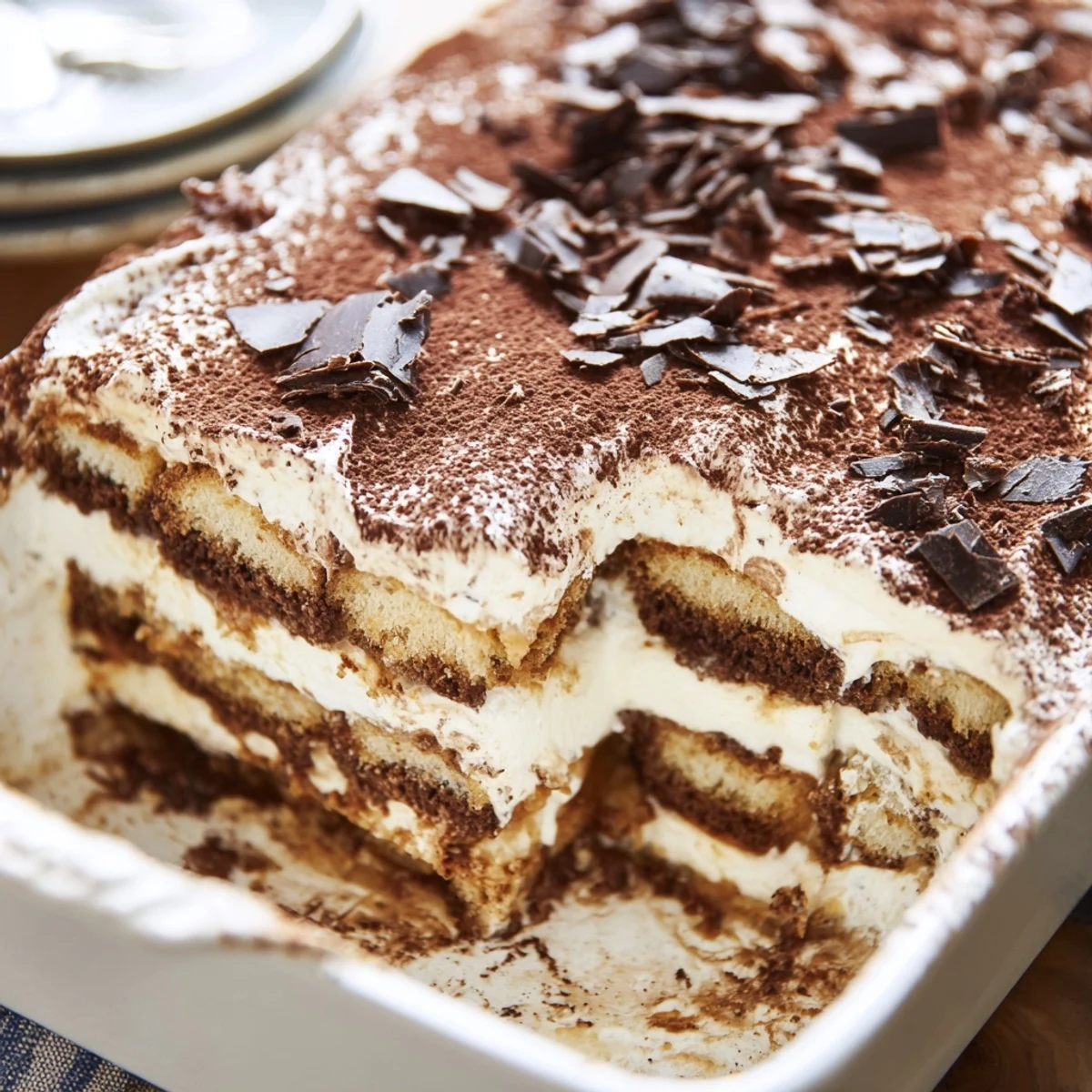
 This became my go to dessert for birthdays after my daughter requested it three years in a row. Something about that combination of coffee and cream feels like a celebration, even if you are just eating it straight from the dish with a fork when nobody is watching.
The Art of Perfect Ladyfingers
Traditional savoiardi biscuits are drier and absorb liquid more slowly than sponge cake versions. This gives you better control over the final texture and prevents that sad soggy situation. I have learned to keep a few extra ladyfingers on hand because sometimes one breaks or you misjudge your dish size.
Making It Your Way
While I love the classic version, I have experimented with adding orange zest to the cream layer or using hazelnut liqueur instead of coffee liqueur. Some friends swear by a dusting of grated chocolate mixed with the cocoa powder for extra intensity. The structure stays the same but the subtle variations can make it feel new each time.
Serving Suggestions
Tiramisu needs to be served cold but not fridge frozen, so take it out about 15 minutes before serving. I always portion it with a sharp knife dipped in hot water, wiping the blade clean between cuts for those pristine restaurant style squares.
- A small glass of Vin Santo creates the perfect Italian dessert pairing
- Espresso served alongside cuts through the richness beautifully
- Leftovers keep remarkably well for 3 to 4 days in the refrigerator
 Save to Pinterest
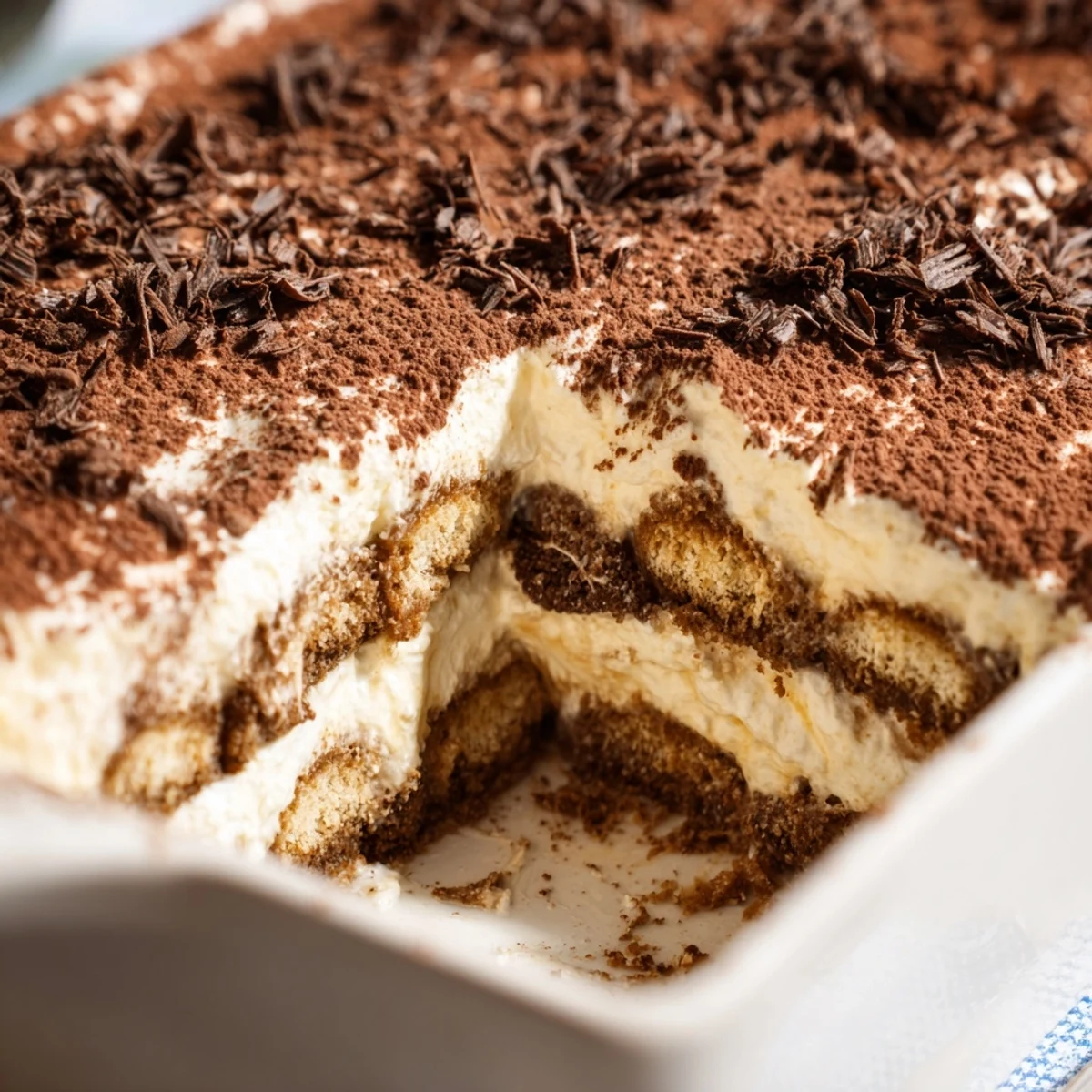
 There is something deeply satisfying about a dessert that rewards patience and attention to detail. Every spoonful feels like a tiny victory.
Recipe FAQs
- → How long should tiramisu chill before serving?
-
Refrigerate for at least 4 hours, though overnight chilling yields the best texture and flavor integration. The cream needs time to set properly.
- → Can I make tiramisu without alcohol?
-
Absolutely. Simply omit the coffee liqueur from the espresso mixture. The dessert remains delicious with just the strong coffee soaking the ladyfingers.
- → Why are my ladyfingers soggy?
-
Ladyfingers should only be dipped for 1-2 seconds per side—quick enough to absorb coffee but not so long they become saturated. They should feel slightly damp, not dripping.
- → Can I use pasteurized eggs for safety?
-
Yes, pasteurized eggs are recommended since the yolks are gently heated but not fully cooked. This reduces any risk while maintaining the traditional texture.
- → How do I store leftover tiramisu?
-
Cover tightly and refrigerate for up to 3 days. Note that the ladyfingers will continue softening, so the texture becomes more pudding-like over time.
- → What can I substitute for ladyfingers?
-
While traditional savoiardi are ideal, you can use sponge cake cut into strips or even soft biscotti. The texture will differ but remain enjoyable.