
 Save to Pinterest
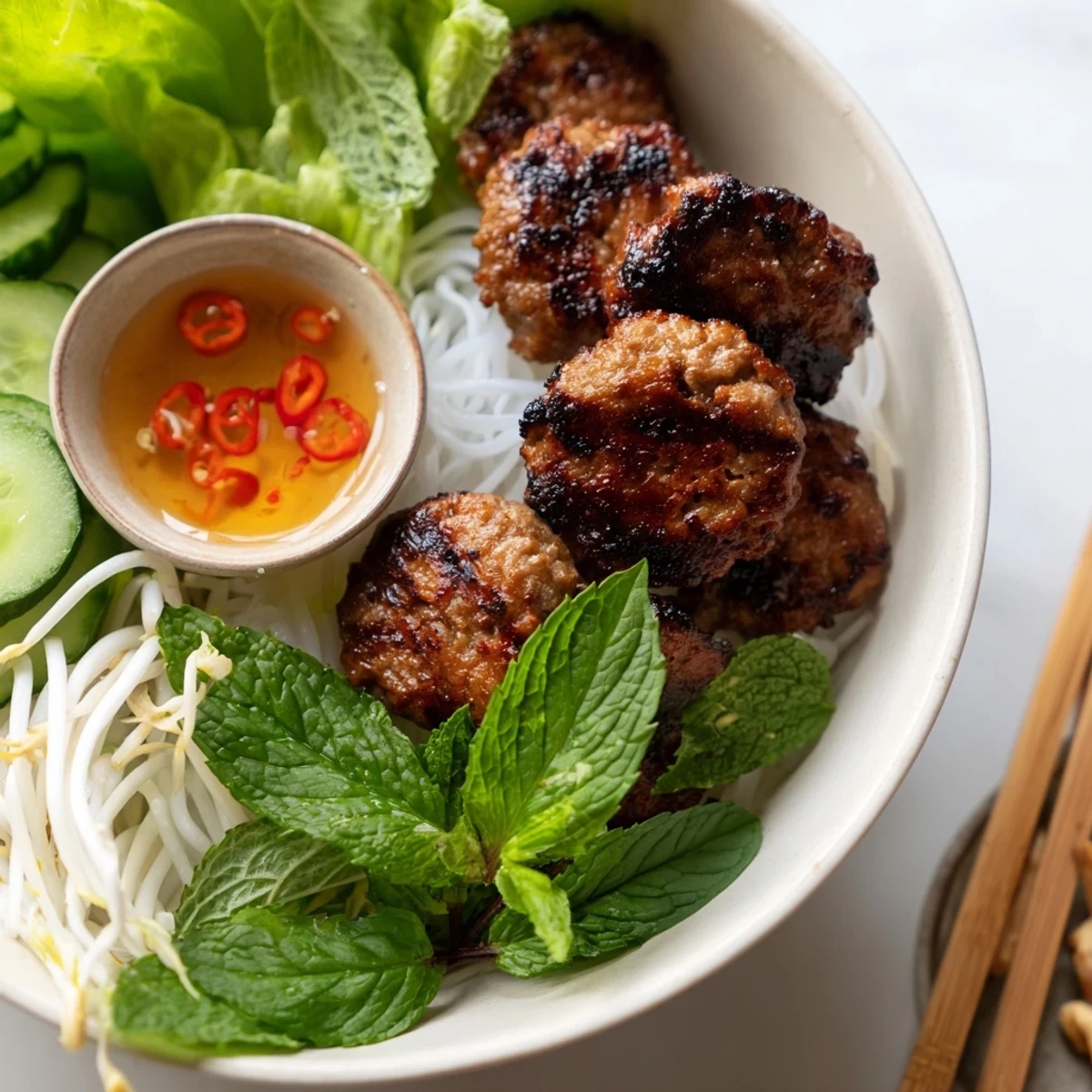
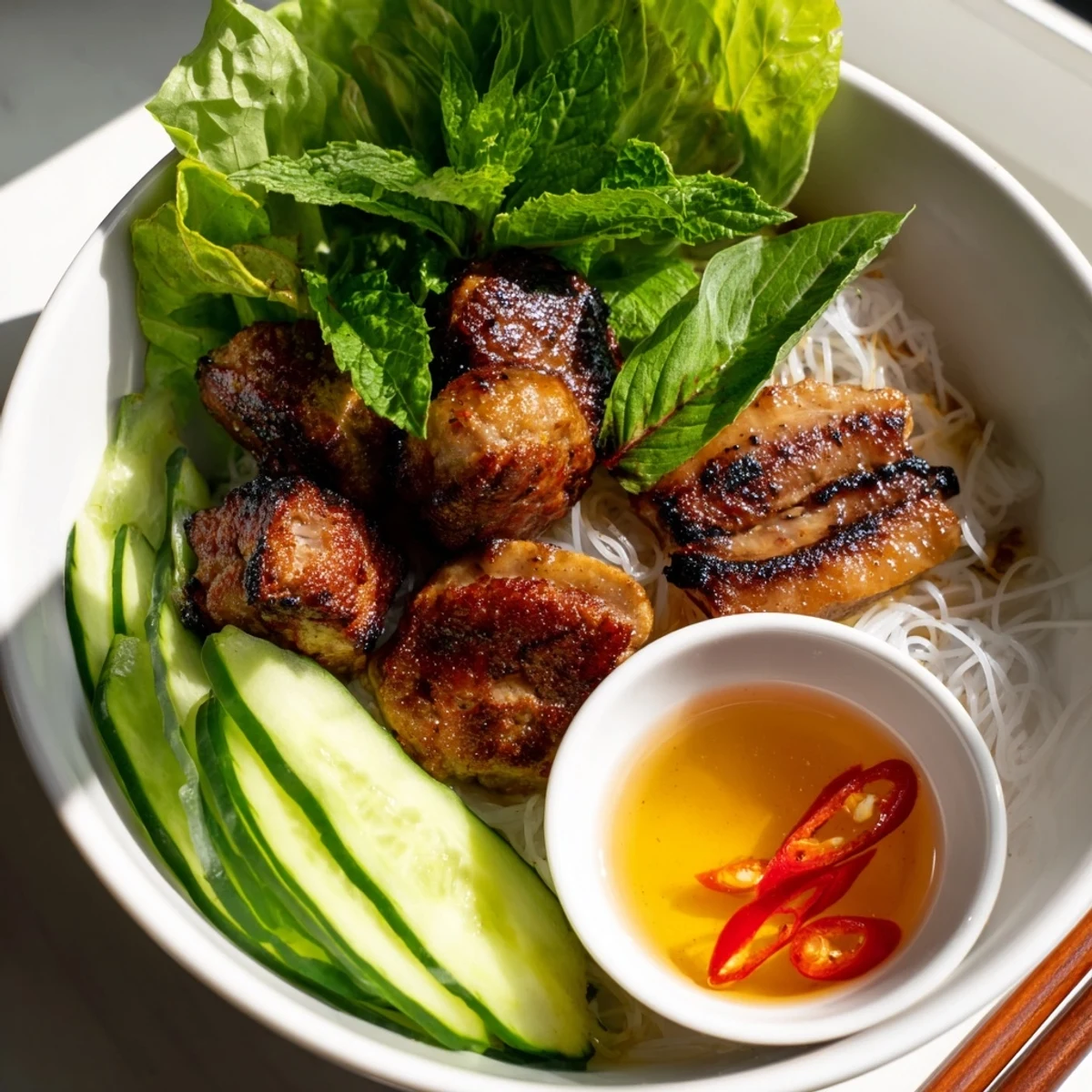
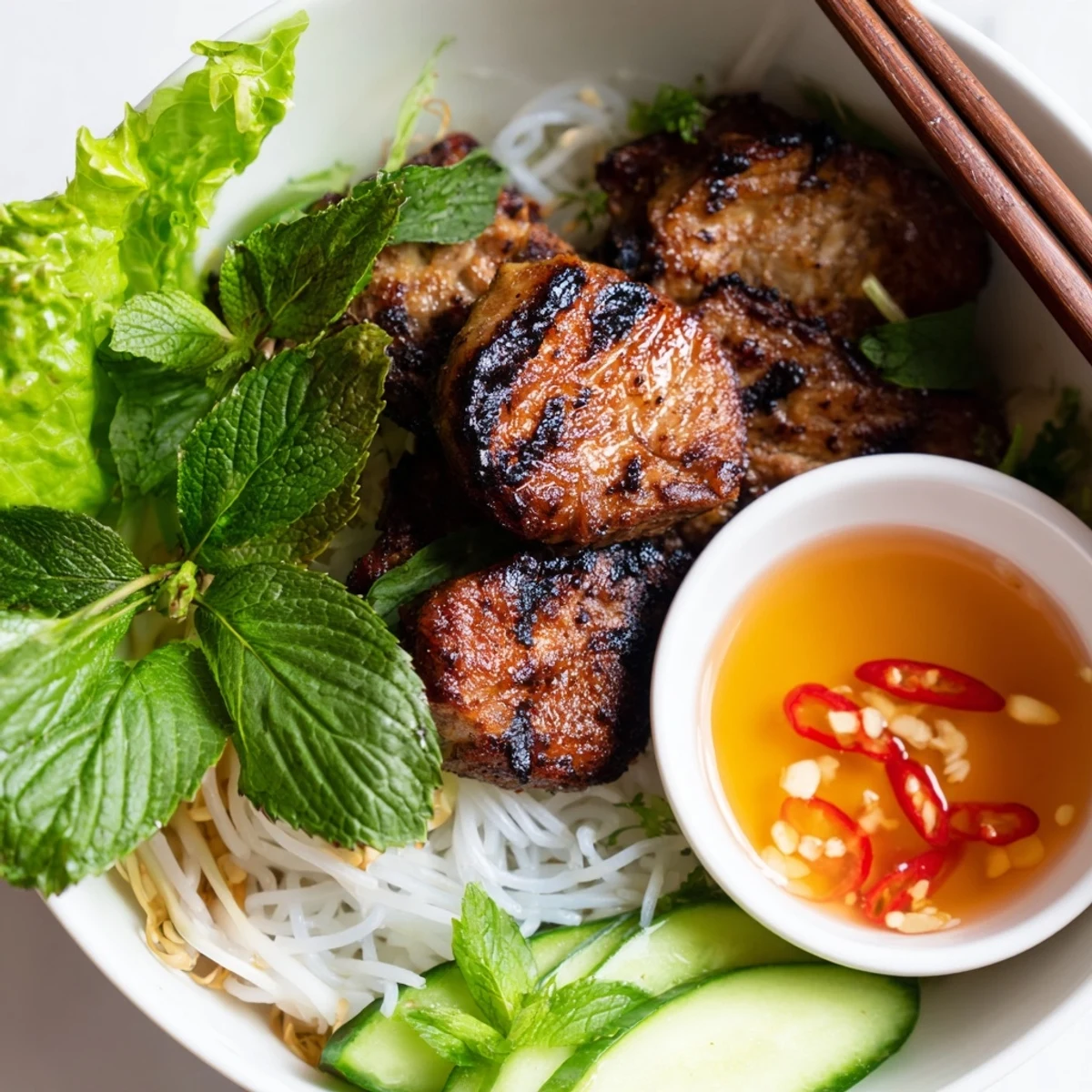
 Savor the authentic taste of Hanoi street food with this beloved Vietnamese dish featuring succulent grilled pork patties and tender pork belly slices. The meat is marinated in garlic, shallots, and fish sauce, then grilled to perfection until caramelized and smoky. Serve over delicate rice vermicelli noodles alongside crisp lettuce, cucumber, bean sprouts, and an abundance of fresh herbs including cilantro, mint, and Thai basil. The dish comes alive with a homemade dipping sauce that balances sweet, salty, sour, and spicy flavors in every bite.
The first time I had Bun Cha in Hanoi, I sat on a tiny blue plastic stool watching the grill master work his magic over charcoal, the smoke curling up into the humid evening air while motorbikes whizzed past. That smoky, sweet, tangy combination haunted me for months afterward until I finally recreated it in my kitchen, and now its my go-to when I crave something vibrant and refreshing.
Last summer, I made this for a group of friends who were skeptical about assembling their own bowls, but within five minutes, the table went silent as everyone discovered their perfect ratio of noodles to herbs to pork. Theres something wonderful about how interactive and customizable this meal is, turning dinner into a shared experience rather than just food on plates.
Ingredients
- 300 g pork shoulder or pork belly, thinly sliced: Pork belly gives you those luscious fatty bits while shoulder offers a leaner bite, I like using half of each
- 300 g ground pork: This forms the juicy patties, dont pack them too tight or theyll become dense
- 3 garlic cloves, minced: Fresh garlic is non-negotiable here, it blooms beautifully on the grill
- 2 small shallots, minced: Shallots have a sweetness that works perfectly with the caramelization
- 2 tbsp fish sauce: The backbone of Vietnamese cooking, dont be tempted to reduce this
- 2 tbsp sugar: Helps with that gorgeous char and balances the salty elements
- 1 tbsp oyster sauce: Adds depth and umami that makes the pork taste restaurant quality
- 1 tbsp soy sauce: Extra savory notes and helps with the marinade penetration
- 1/2 tsp black pepper: Freshly ground gives you little spicy pops throughout
- 1 tbsp vegetable oil: Just enough to keep everything from sticking and promote even cooking
- 200 ml warm water: Warm water dissolves the sugar faster for the sauce
- 3 tbsp fish sauce: The dipping sauce needs enough body to stand up to the rich pork
- 2 tbsp sugar: Adjust based on your sweetness preference, I sometimes add a pinch more
- 2 tbsp rice vinegar or lime juice: Lime juice makes it brighter, vinegar gives a more rounded acidity
- 1 garlic clove, minced: Raw garlic in the sauce cuts through the fatty pork beautifully
- 1 red chili, thinly sliced: Leave seeds in if you want real heat, remove for just the flavor
- 1 small carrot, julienned: Adds crunch and a touch of sweetness to the sauce
- 300 g dried rice vermicelli noodles: Soak these until pliable before boiling for the best texture
- 1 head lettuce, torn: Iceberg or butter lettuce both work perfectly
- 1 handful cilantro leaves: Cilantro haters can sub more basil, though the flavor profile shifts
- 1 handful mint leaves: Fresh mint is what makes this dish sing
- 1 handful Thai basil leaves: Regular basil works in a pinch but Thai basil has that distinct anise note
- 100 g bean sprouts: Adds essential crunch to every bite
- 1 cucumber, sliced: English cucumbers are perfect, no need to peel them
Instructions
- Mix the pork patties:
- Combine the ground pork with half your garlic and shallots, along with one tablespoon each of fish sauce and sugar, then add the oyster sauce, soy sauce, pepper, and a splash of oil, mixing until everything is evenly distributed but not overworked
- Shape the patties:
- Form the mixture into small patties about two to three centimeters thick, making a slight indent in the center of each one to prevent them from puffing up too much on the grill
- Marinate the pork slices:
- Toss the sliced pork with the remaining garlic, shallots, fish sauce, sugar, and oil in a separate bowl, using your hands to massage the flavors into the meat
- Let everything marinate:
- Set both bowls aside for at least fifteen minutes, though thirty minutes gives you even better flavor penetration
- Make the dipping sauce:
- Dissolve the sugar in warm water first, then stir in the fish sauce, rice vinegar or lime juice, minced garlic, sliced chili, and carrot if using, tasting and adjusting until you hit that perfect balance of all five flavors
- Cook the noodles:
- Boil the vermicelli according to package directions, then drain immediately and rinse under cold water to stop the cooking and keep them from clumping together
- Heat the grill:
- Get your grill or grill pan nice and hot over medium-high heat, the pork should sizzle the moment it hits the surface
- Grill the pork:
- Cook the patties and sliced pork for three to four minutes per side until theyre cooked through with beautiful caramelized char marks
- Set up the serving bowls:
- Arrange the noodles, torn lettuce, herbs, bean sprouts, and cucumber on individual plates or let everyone build their own bowls family style
- Bring it all together:
- Serve the grilled pork hot alongside the fresh components and dipping sauce, letting everyone customize their perfect bite
 Save to Pinterest
 My aunt once told me that Bun Cha is best eaten in good company because the conversation flows as freely as the tea, and Ive found that to be absolutely true every time I serve it. The ritual of dipping, assembling, and sharing somehow makes the meal feel more complete than just eating alone ever could.
Getting That Authentic Char
If you have access to charcoal, cooking the pork over live coals transforms this dish entirely, infusing it with that smoky essence you taste on the streets of Hanoi. The high heat and smoke create a caramelized crust that you simply cant achieve with a gas grill, though a grill pan with good ventilation will still give you excellent results.
Building the Perfect Bowl
The secret to enjoying Bun Cha is finding your ideal ratio of noodles to herbs to meat in each bite, which is why I always encourage guests to experiment freely. Some days I want more fresh herbs and lighter sauce, other times I load up on the caramelized pork with just enough noodles to carry everything together.
Make-Ahead Magic
The dipping sauce actually improves after a day in the refrigerator as the flavors meld together, and the pork marinade benefits from some extra time too. I often prep everything in the morning and just grill the pork at the last minute for a stress-free dinner that tastes even better than it did the night before.
- Double the sauce and keep it in the fridge for up to two weeks
- Cooked pork holds well at room temperature for about an hour
- Herbs are best prepped just before serving to stay perky
 Save to Pinterest
 Theres something incredibly satisfying about a meal that lets everyone eat exactly what they crave, and this dish has become my answer to almost every gathering. Hope it brings as much joy to your table as it has to mine.
Recipe FAQs
- → What makes the dipping sauce authentic?
-
The traditional Nuoc Cham achieves its signature balance through warm water dissolved with sugar, fish sauce for depth, rice vinegar or lime juice for acidity, fresh garlic and chili for heat, and optional julienned carrot for subtle sweetness.
- → Can I cook the pork differently?
-
While grilling over charcoal provides the most authentic smoky flavor, a grill pan works well indoors. You can also broil the pork slices and patties for 4-5 minutes per side until caramelized and cooked through.
- → What herbs are essential?
-
Thai basil, mint, and cilantro form the holy trinity of Vietnamese herbs for this dish. The basil provides anise notes, mint adds cooling freshness, while cilantro contributes bright citrusy undertones.
- → How long should the pork marinate?
-
Fifteen minutes is sufficient for the flavors to penetrate, but marinating for 30 minutes to an hour yields even more tender and flavorful meat. The ground pork patties absorb marinade quickly compared to the sliced pork belly.
- → Can I make this gluten-free?
-
Use tamari instead of soy sauce and verify your fish sauce and oyster sauce are gluten-free. Most traditional fish sauces are naturally gluten-free, but always check labels for hidden wheat or barley-based additives.
- → What's the best way to serve?
-
Arrange components family-style with noodles in large bowls, grilled pork on a platter, herbs and vegetables on a separate plate, and individual bowls of dipping sauce. Diners build their own portions, customizing each bite to their taste.