
 Save to Pinterest
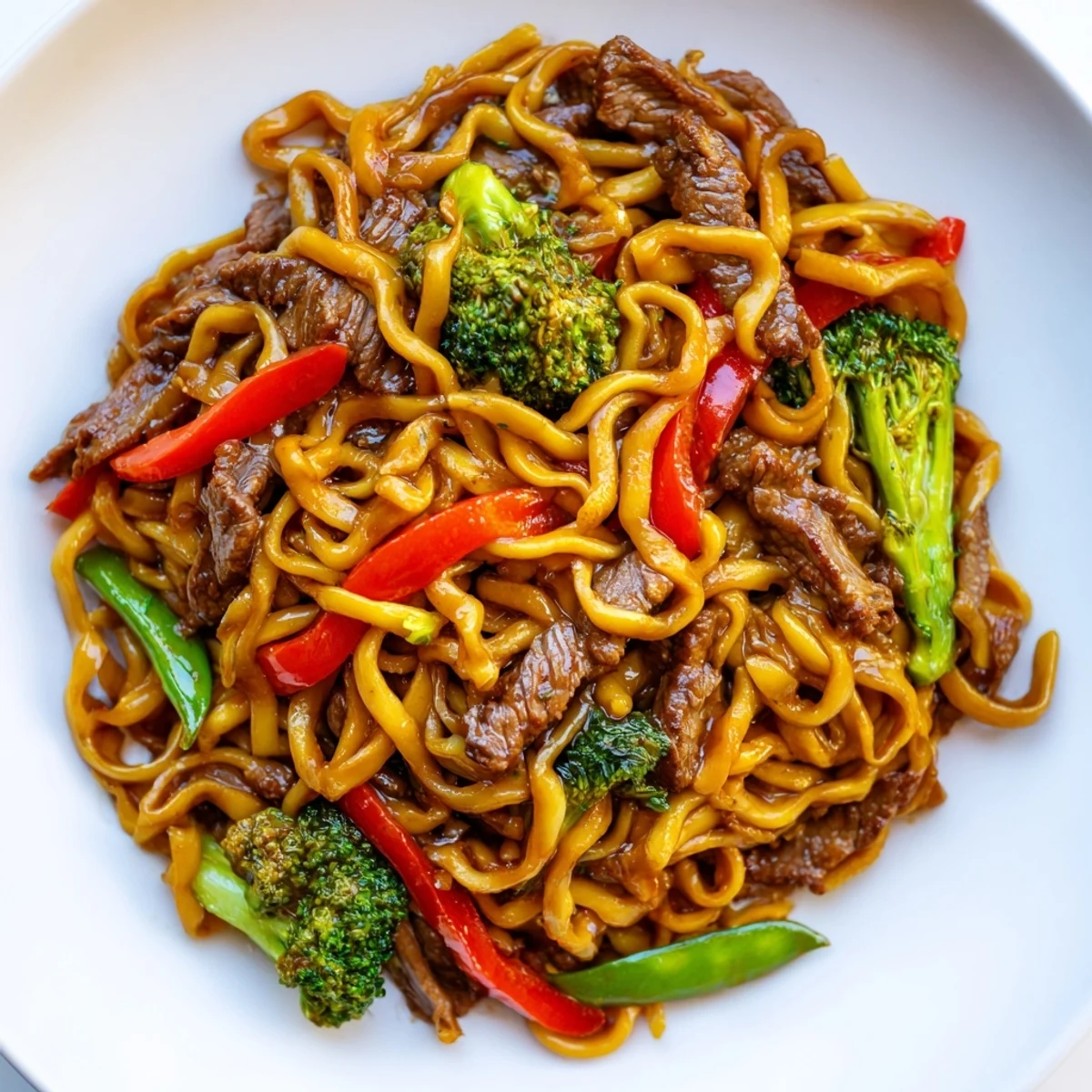
 This dish blends thinly sliced beef with vibrant vegetables like bell pepper, broccoli, carrot, and snap peas. Tossed with egg or rice noodles and coated in a balanced sauce of soy, oyster, hoisin, and sesame oil, it offers a quick and savory meal. The beef is marinated briefly for tenderness, and vegetables are stir-fried crisp-tender. Finished with spring onions, it's an easy, flavorful option for a weeknight dinner.
There's something about the sound of a wok on high heat that makes me feel like I'm cooking with purpose. A few years back, I was tasked with feeding a hungry crowd on a Tuesday night with whatever I could pull together, and this beef and vegetable stir fry became my unexpected hero. The beauty of it is that it comes together faster than you'd think, and everyone walks away satisfied without you feeling like you've spent hours in the kitchen.
I'll never forget cooking this for my roommate's surprise birthday dinner when she came home exhausted from a brutal shift. The way her face lit up when that aroma hit her as she walked through the door—ginger and garlic dancing with soy sauce—made me realize that sometimes the most meaningful meals are the ones you throw together with genuine care rather than stress.
Ingredients
- Flank steak or sirloin, thinly sliced (400 g): The key here is slicing against the grain, which I learned the hard way makes all the difference in tenderness.
- Cornstarch (2 tsp): This coats the beef and gives it that silky, restaurant-quality texture that feels fancy but is pure technique.
- Soy sauce (1 tbsp for beef, 3 tbsp for sauce): Don't skimp on quality here—a good soy sauce carries the entire dish on its shoulders.
- Vegetable oil (1 tbsp, plus splash more): Use something neutral like canola or grapeseed that can handle high heat without smoking up your kitchen.
- Red bell pepper, thinly sliced (1): I choose red for both color and that subtle sweetness that rounds out the savory elements.
- Broccoli florets (1 cup): Cut them smaller than you think—they cook faster and distribute better throughout the dish.
- Carrot, julienned (1 medium): The thin match-stick cuts let the carrot actually soften while keeping a gentle snap.
- Snap peas, trimmed (100 g): These stay bright and crisp if you don't overwork them, adding that textural contrast that makes the dish feel alive.
- Spring onions, sliced (2): Save half for garnish at the end so you get that fresh onion bite right at the finish.
- Garlic, minced (2 cloves) and ginger, grated (1 tsp): This combo is non-negotiable—they're the soul of the whole thing, so use fresh rather than jarred.
- Egg noodles or rice noodles (250 g): Either works beautifully; I lean toward egg noodles because they're sturdier and hold the sauce better.
- Oyster sauce (2 tbsp), hoisin sauce (1 tbsp), rice vinegar (1 tbsp): These three together create depth that a one-note sauce simply can't achieve.
- Sesame oil (1 tsp): Just a touch at the end brings everything into focus with that nutty warmth.
- Sugar (1 tsp) and water (2 tbsp): The sugar balances heat and salt, while water loosens everything into a proper sauce.
Instructions
- Coat the beef with confidence:
- Mix your sliced beef with cornstarch and that first tablespoon of soy sauce, working it in gently so every piece gets a light coating. Let it sit for 10 minutes—this is your secret weapon for tender, silky beef that feels like it came from a restaurant kitchen.
- Get your noodles ready:
- Cook them exactly as the package tells you to, but drain them a minute or so before they seem done if you're nervous about mushiness. Toss them with a tiny drizzle of oil so they don't stick together in a sad clump.
- Mix your sauce in advance:
- Combine the soy, oyster, hoisin, rice vinegar, sesame oil, sugar, and water in a small bowl and give it a good stir. Having this ready before the heat turns on is the difference between confident cooking and scrambling.
- Sear the beef until it's golden:
- Get your wok or large skillet screaming hot, then add that tablespoon of oil and let it shimmer. Add the beef and let it sit for a moment—don't stir constantly, or it'll steam instead of sear—then toss it around until the edges are browned and it's no longer raw-looking inside.
- Build flavor with garlic and ginger:
- Pull the beef out and set it aside, add just a splash more oil if your pan looks dry, then hit it with that garlic and ginger. You'll feel the kitchen wake up in about 30 seconds when the smell hits you—that's your signal to move on before they brown.
- Stir-fry vegetables until they have personality:
- Add your peppers, broccoli, carrots, and snap peas, and keep them moving for 3 to 4 minutes. You want them softened but still with a gentle snap when you bite—that moment right before they go limp.
- Bring it all together:
- Return the beef to the wok, pour in that sauce you made, and toss everything until every piece gets coated in that beautiful liquid. It should smell incredible at this point, and you're nearly done.
- Add noodles and finish with warmth:
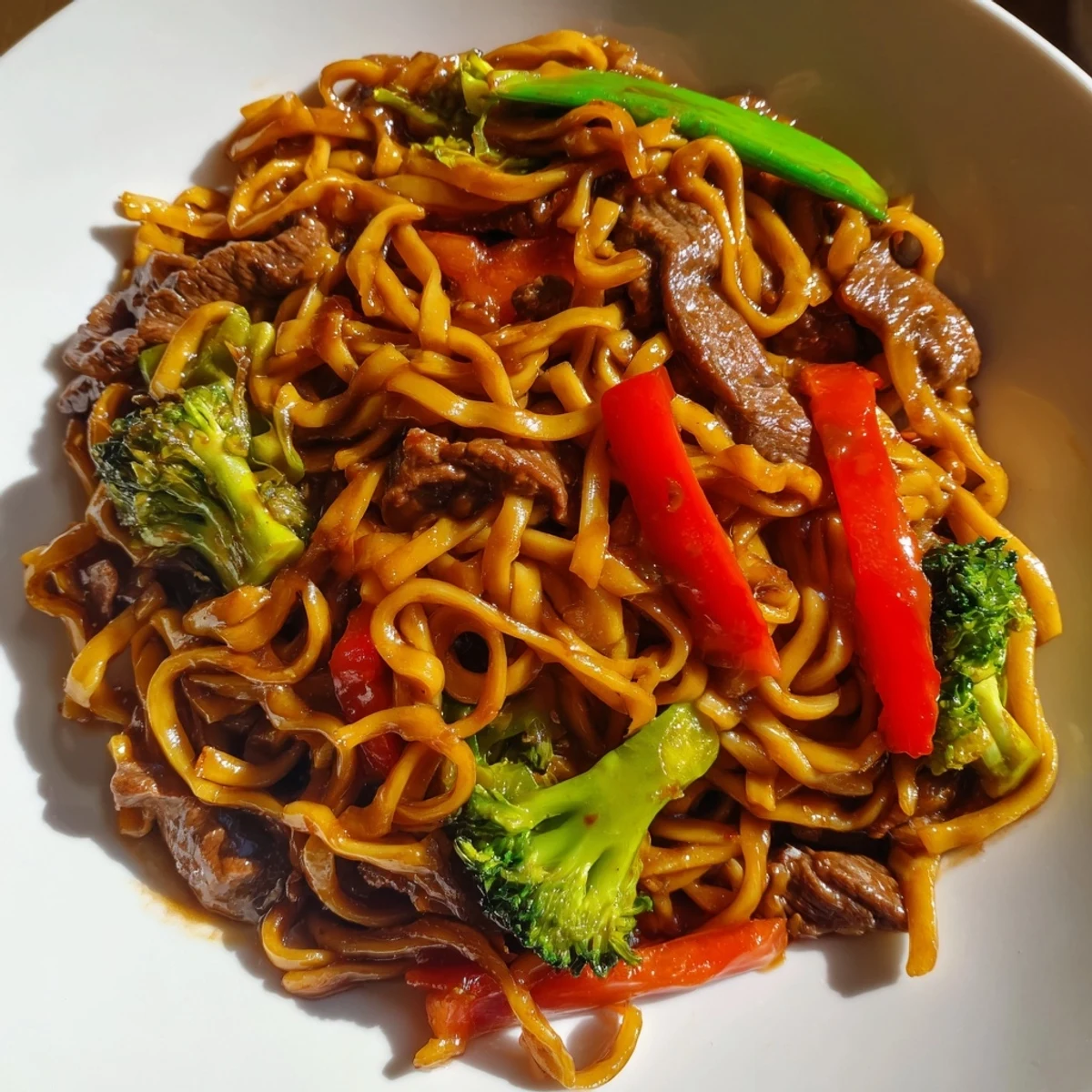
- Toss in the cooked noodles and keep everything moving for about 2 minutes until it's all heated through and the sauce clings to every strand. Top with those reserved spring onion slices and serve while it's still steaming.
 Save to Pinterest
 What strikes me most about this dish is that it's taught me the value of mise en mise (everything in its place). Once you've got everything prepped and lined up, the actual cooking becomes almost meditative, and you remember why cooking for people matters so much.
The Wok Is Your Canvas
A good wok, or even a large skillet in a pinch, gives you the shape and surface to build layers of flavor instead of just mixing everything together. The high, sloped sides let you keep everything moving without losing it to the counter, and that curved bottom (or flat if you're using a skillet) creates hot spots where browning actually happens. I learned this the hard way with a regular saucepan that made everything taste steamed instead of seared.
Why Sauce Matters More Than You'd Think
The sauce in a stir fry is what turns individual components into a cohesive story, and getting the balance right is less about following numbers and more about tasting as you go. Too much soy and it becomes one-dimensional and salty; too much oyster sauce and everything tastes thick and cloying; rice vinegar brings a gentle brightness that keeps it all from becoming heavy. I've found that making the sauce separately and tasting a tiny spoonful before it hits the wok gives me a moment to adjust if something feels off.
Making It Your Own
This is the kind of dish that invites improvisation because the structure is so solid that variations almost always work. You could use chicken thighs for more richness, add cashews for crunch, or throw in bok choy if that's what you have. The framework stays the same—quick sear, veggie stir, sauce coating, noodle finish—so you're really just playing with flavors and textures within a trusted foundation.
- Swap the beef for chicken, shrimp, or tofu depending on what your fridge holds or what your mood calls for.
- Add heat with fresh chilies, chili flakes, or a dash of sriracha swirled into the finished dish if you want to wake it up.
- Finish with sesame seeds, crushed peanuts, or fresh cilantro for texture and brightness you didn't know you needed.
 Save to Pinterest
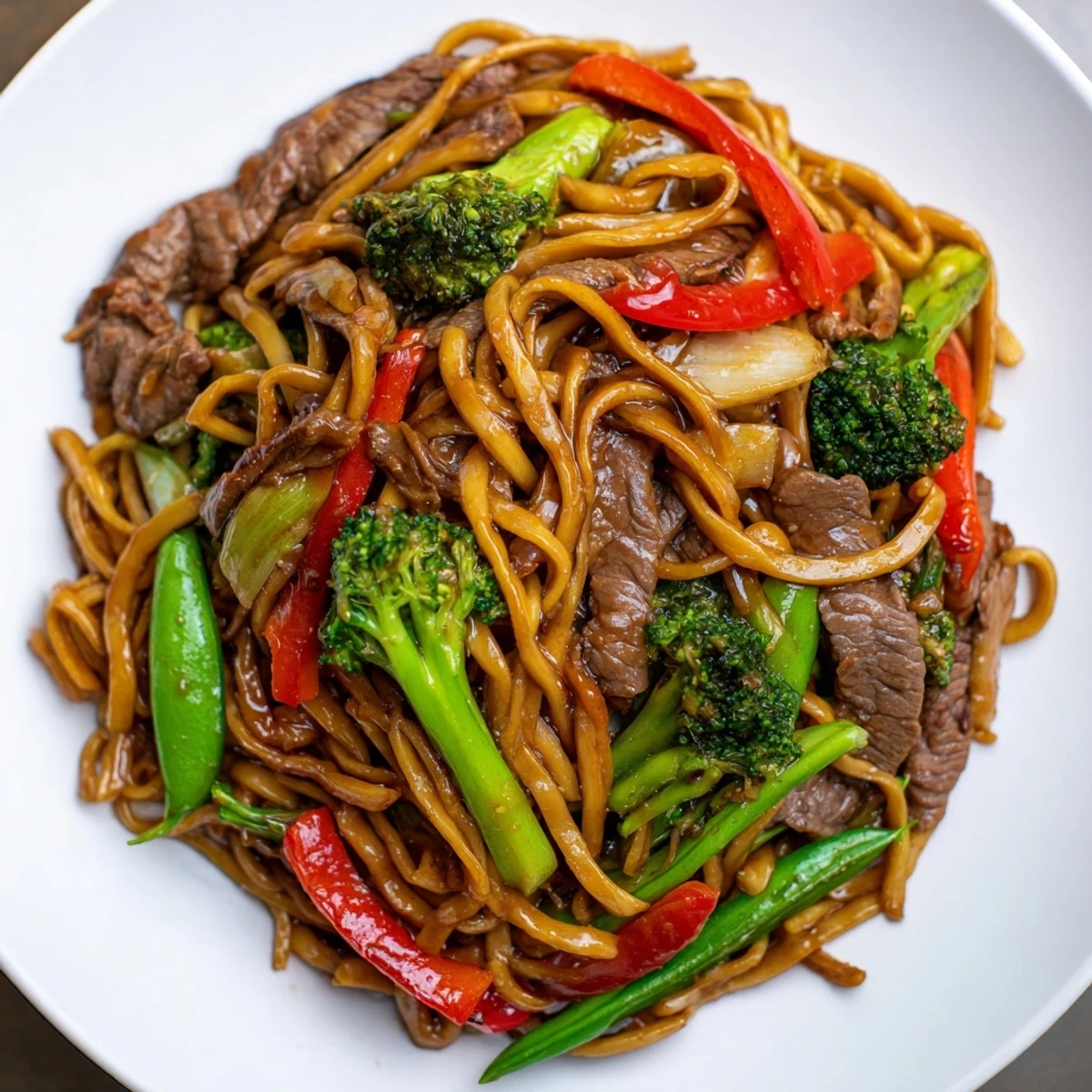
 This stir fry has quietly become my default when I need to feed people quickly but don't want to serve something that tastes rushed. It's proof that sometimes the best meals aren't about complexity or time spent, but about knowing exactly what you're doing and doing it with intention.
Recipe FAQs
- → What cut of beef works best for this dish?
-
Flank steak or sirloin thinly sliced works best, providing tenderness and quick cooking.
- → Can I substitute the noodles used here?
-
Yes, egg noodles or rice noodles both absorb the sauce well and complement the stir fry’s texture.
- → How do I achieve crisp-tender vegetables?
-
Stir-fry vegetables over high heat for a few minutes only, maintaining their vibrant color and crunch.
- → What can I add for extra heat?
-
Add chili flakes or a dash of sriracha to the sauce to introduce some spiciness.
- → Is it possible to swap beef for other proteins?
-
Chicken, tofu, or shrimp can be used instead of beef while following the same preparation method.