
 Save to Pinterest
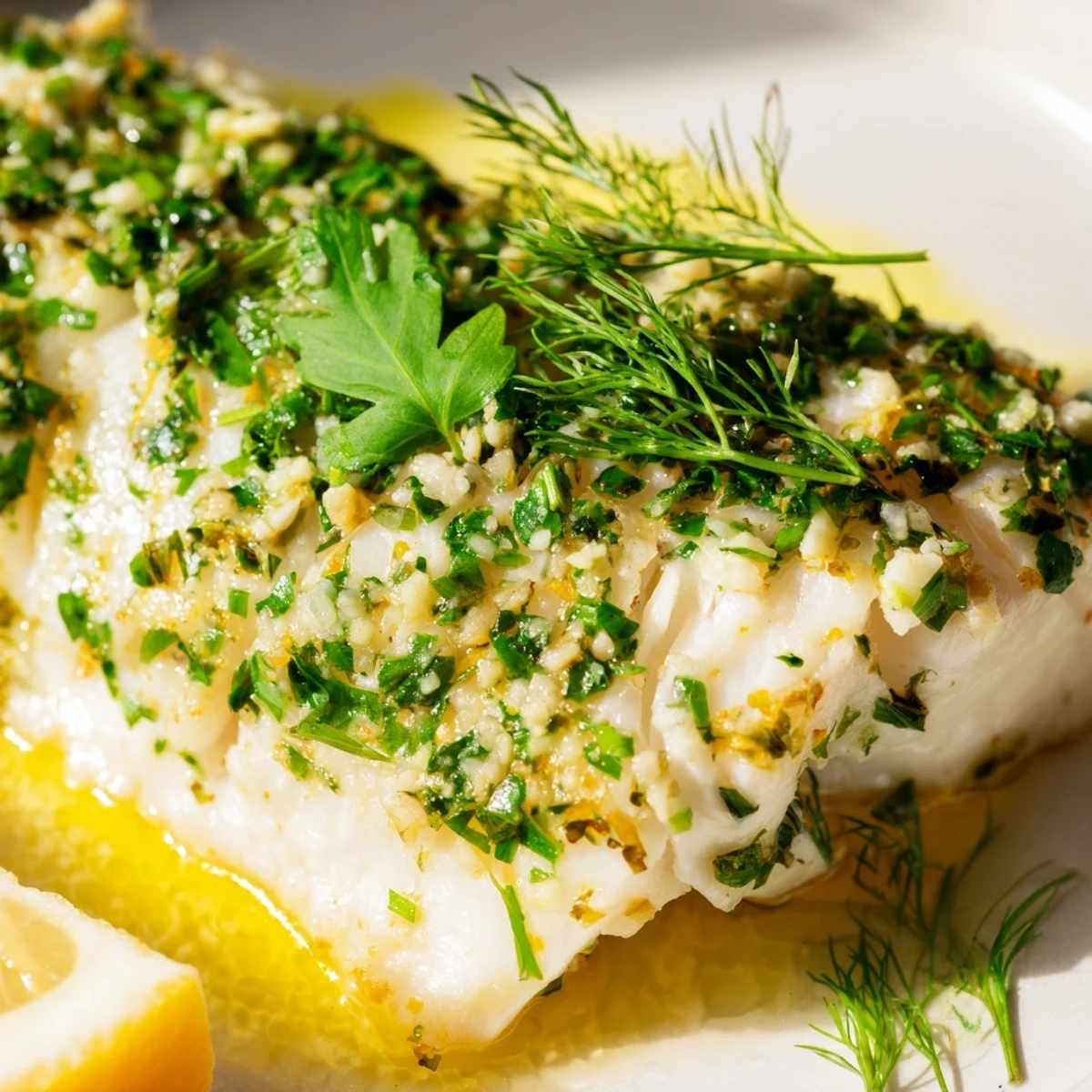
 This dish features skinless halibut fillets seasoned with a vibrant mix of parsley, dill, chives, garlic, lemon zest, and extra-virgin olive oil. Baked to perfection until flaky and opaque, it provides a healthy and elegant main course ideal for Mediterranean-style meals. The combination of fresh herbs and citrus highlights the delicate flavor of the fish, while simple techniques ensure a quick 25-minute preparation. Garnish with lemon wedges or additional herbs for an extra touch of brightness.
There's something about halibut that stops you mid-conversation—that delicate, sweet flesh practically melting on your tongue before you've even finished chewing. I discovered this recipe on a Tuesday evening when the fish counter had the most pristine fillets I'd seen in months, and I couldn't resist the urge to do something that wouldn't mask their natural elegance. The herbs and lemon felt like the obvious companions, and when I pulled the baking dish from the oven fifteen minutes later, the kitchen smelled like the Mediterranean coast had somehow relocated to my stovetop.
I made this for my partner's parents during their last visit, and I remember my mother-in-law closing her eyes after the first bite—not in criticism, but in genuine surprise that something so simple could taste so refined. The way the lemon zest brightened everything on the plate, how the olive oil pooled slightly around the fish, the fresh herbs still holding their color and fragrance—it all felt effortless in the way that only practiced simplicity can feel.
Ingredients
- Halibut fillets (4, about 170g each): Choose ones that look translucent and smell like the ocean, not fishy—that's the mark of freshness that makes this dish sing.
- Fresh parsley, dill, and chives: Don't substitute these with dried herbs; the brightness and delicate texture are essential to what makes this feel special.
- Garlic cloves (2, minced): Mince them fine so they distribute evenly and cook gently in the oven rather than turning sharp or burnt.
- Extra-virgin olive oil (2 tablespoons): This is your cooking medium and flavor builder, so choose one you'd actually enjoy tasting on its own.
- Lemon: Fresh lemon zest and juice are what tie everything together; zest just before using for maximum fragrance.
- Sea salt and black pepper: Simple seasonings that let the fish and herbs take center stage without competition.
Instructions
- Prepare your oven and dish:
- Heat your oven to 200°C (400°F) and line a baking dish with parchment paper—this prevents sticking and makes cleanup nearly effortless. If you don't have parchment, a light coating of olive oil works just as well.
- Dry the fish thoroughly:
- Pat each halibut fillet dry with paper towels; any moisture on the surface will steam the fish rather than allow it to cook gently and stay tender. Arrange them in a single layer with a little space between each fillet.
- Build your herb mixture:
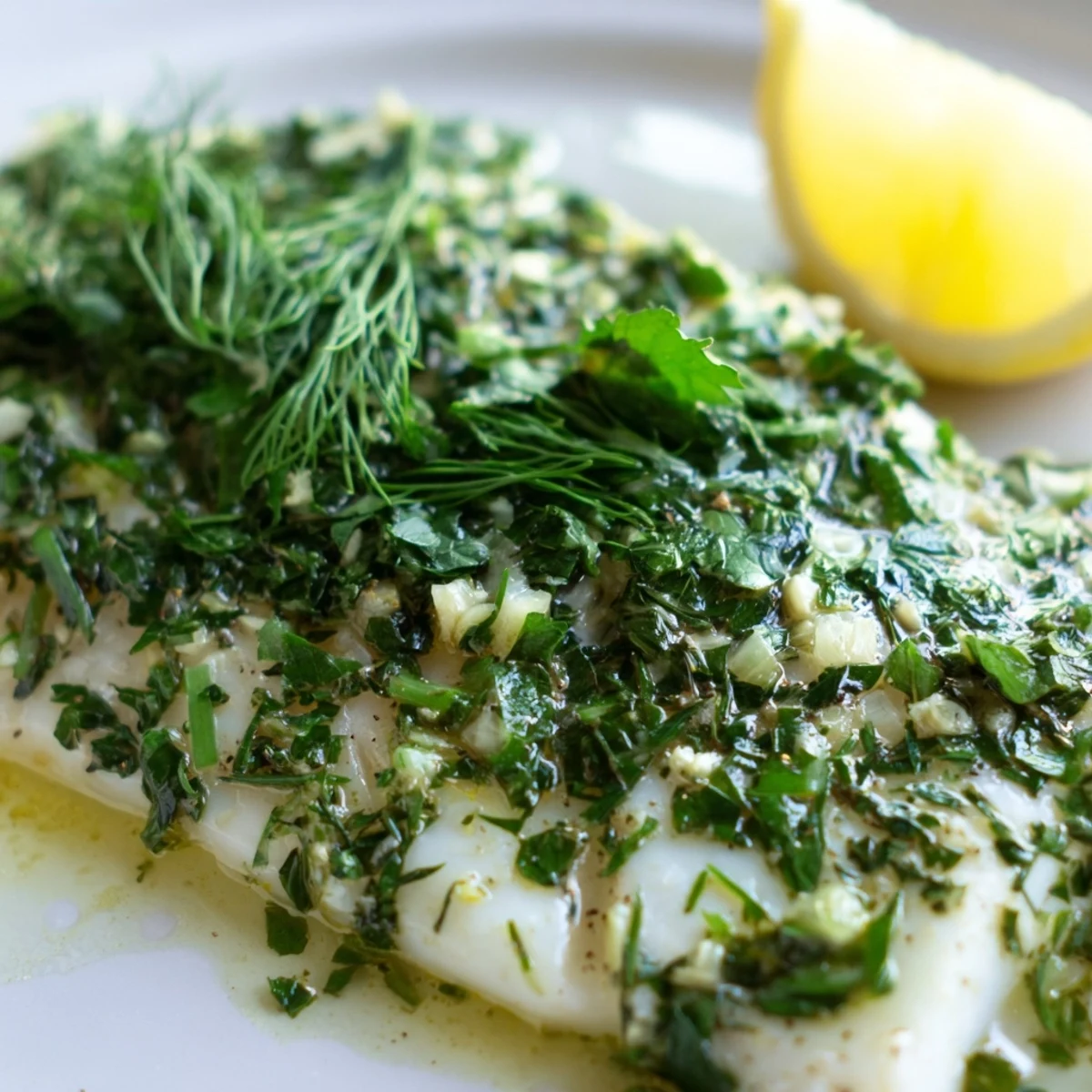
- In a small bowl, combine the chopped parsley, dill, and chives with the minced garlic, sea salt, black pepper, olive oil, lemon zest, and lemon juice. Taste it and adjust seasoning—this mixture should taste bright and balanced, since it's the only seasoning the fish will get.
- Crown each fillet:
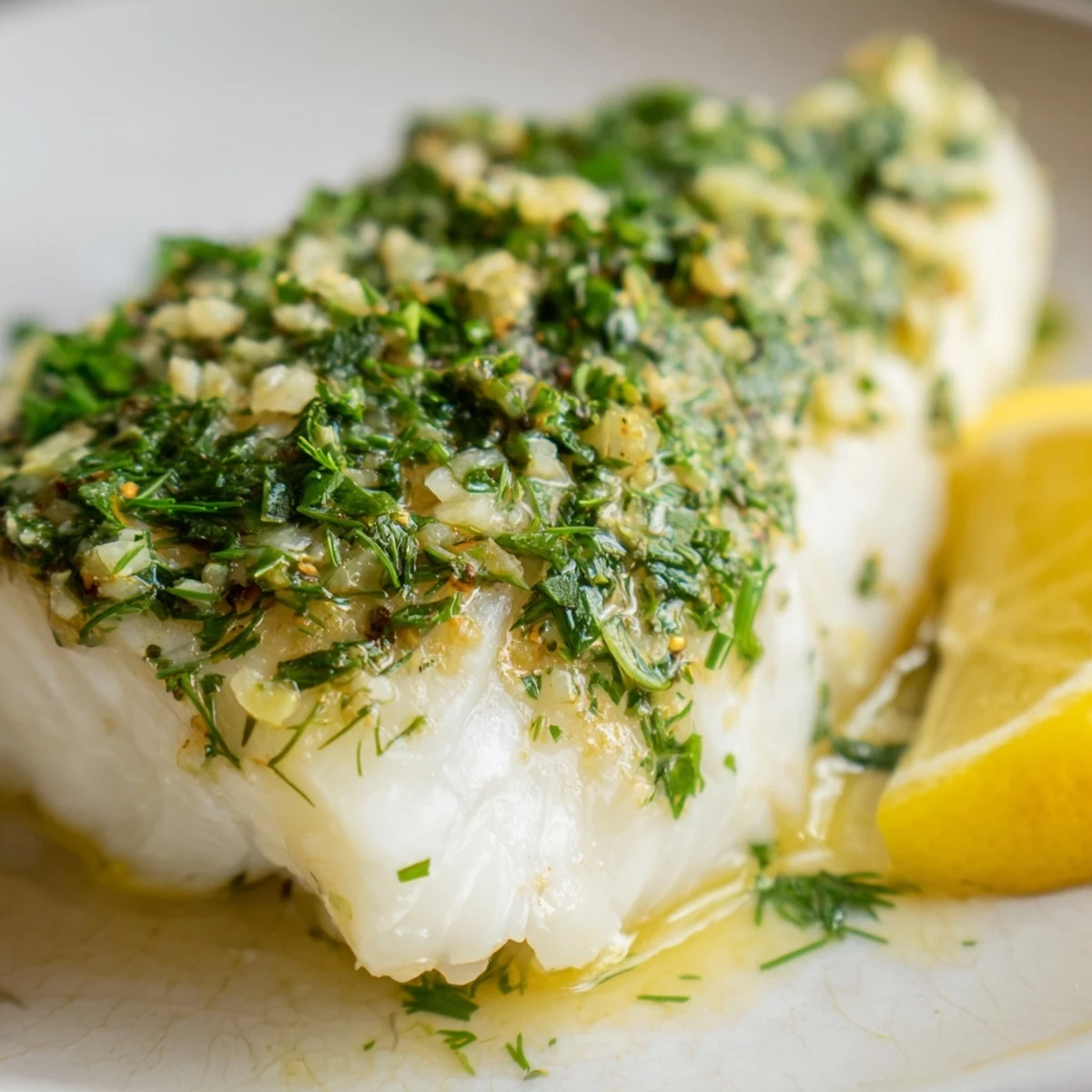
- Spoon the herb mixture evenly over each halibut fillet, pressing it gently so it adheres and doesn't slide off during cooking. The herbs will soften slightly in the oven, infusing their flavors directly into the fish.
- Bake until just opaque:
- Bake for 12 to 15 minutes—halibut cooks quickly, and you want to catch it at that perfect moment when it flakes easily with a fork but hasn't turned dry or translucent. An instant-read thermometer should register around 60–63°C at the thickest part.
- Finish with fresh brightness:
- Remove from the oven and serve immediately with lemon wedges and a scatter of extra fresh herbs, which will stay vibrant and aromatic if added just before eating.
 Save to Pinterest
 This dish has a quiet elegance that makes you feel like you've accomplished something more ambitious than you actually have. I think that's when I knew I'd found something worth keeping—when it felt both simple enough to make on a weeknight and special enough to serve when it mattered.
Why Halibut Works So Well Here
Halibut has a naturally mild, slightly sweet flavor that doesn't demand heavy sauces or complicated techniques; it actually prefers to stand in the spotlight with just a few good supporting players. The flesh is lean and delicate, which means it responds beautifully to gentle, moist heat from the oven rather than the direct intensity of a stovetop. I've tried this recipe with cod and haddock too, and while they work fine, halibut's flavor and texture create something that feels distinctly special and justifies the slightly higher cost at the fishmonger.
Building Flavor Without Heaviness
The magic here is that olive oil, garlic, lemon, and fresh herbs can do more for fish than butter and cream ever could. Each element serves a purpose: garlic brings warmth, lemon juice and zest brighten everything, the herbs add herbaceous fragrance, and the olive oil carries all those flavors directly into the fish as it bakes. This approach keeps the dish light and healthy without sacrificing depth or satisfaction—something that feels increasingly important when cooking feels less like indulgence and more like nourishment.
What to Serve Alongside
This halibut pairs beautifully with sides that are equally simple and fresh, letting the fish remain the main conversation. Steamed asparagus or green beans take on the herbed oil from the fish beautifully, while a crisp lemon-dressed salad adds brightness and texture without weighing down the plate. I often make a quick cauliflower rice or serve it alongside buttered new potatoes, and either way feels just right.
- A cool glass of Sauvignon Blanc or light Chardonnay becomes essential, cutting through the richness of the oil and echoing the lemon and herbs.
- If you want just a touch of heat, sprinkle chili flakes into the herb mixture before baking—it's subtle but changes everything for people who like a gentle warmth.
- Lemon wedges at the table let each person adjust the brightness to their preference, which is a small gesture that feels surprisingly appreciated.
 Save to Pinterest
 This recipe proves that the best meals don't need to be complicated—just honest, fresh, and treated with respect. Make it whenever you want to feel both nourished and a little bit celebrated at the dinner table.
Recipe FAQs
- → What is the best way to bake halibut for tenderness?
-
Bake the halibut at 200°C (400°F) for 12–15 minutes until it flakes easily with a fork and becomes opaque throughout, preserving moisture and tenderness.
- → Which herbs complement baked halibut well?
-
Fresh parsley, dill, and chives combined with garlic and lemon zest offer a bright, aromatic flavor that enhances the mild fish without overpowering it.
- → Can other fish be used instead of halibut?
-
Yes, firm white fish such as cod, haddock, or sea bass can be substituted, as they respond similarly to baking and pair well with herbs and lemon.
- → What side dishes pair best with baked halibut?
-
Steamed vegetables, fresh salads, or rice complement the light, fresh flavors, while a crisp white wine like Sauvignon Blanc or Chardonnay enhances the meal.
- → How can I add a bit of heat to this dish?
-
Sprinkle chili flakes over the herb mixture before baking to introduce a gentle, warming spice without overwhelming the delicate fish.